

High-end residential design combines household requirements, site conditions, spatial planning and detailed coordination. The useful question is what the team will deliver and how its experience relates to your project. This article sets out criteria for selecting a team and reviewing design proposals without assuming a particular market trend or investment return.
A.H Villa and Tutku Premium Villas document different residential scales: an individual villa in Tripoli and a villa development in Büyükçekmece. When selecting a team, compare its stated role and the decisions relevant to your own site and household requirements.
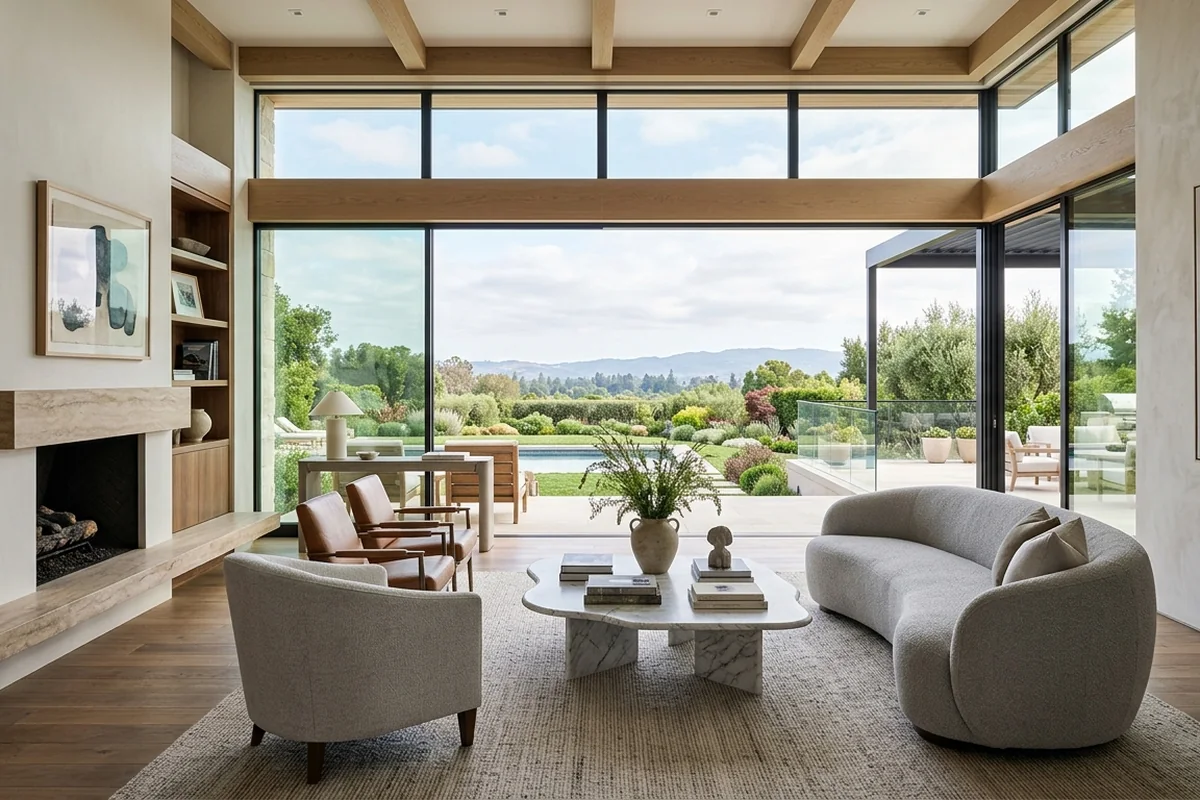
Understanding the Role of High End Residential Architects
High end residential architects specialize in designing upscale homes that combine aesthetics, functionality, and innovation. Assess their experience through relevant projects and a clear explanation of design and coordination responsibilities. These architects offer a comprehensive approach, from conceptual design through turnkey project execution. For insight into selecting the right partner, check our guide on How to Choose an Architectural Design Firm.
For a project in Istanbul, ask how the team will assess the site, coordinate applicable requirements and work with the necessary specialists. Relevant local experience is useful, but it does not replace project-specific reviews or guarantee approvals.
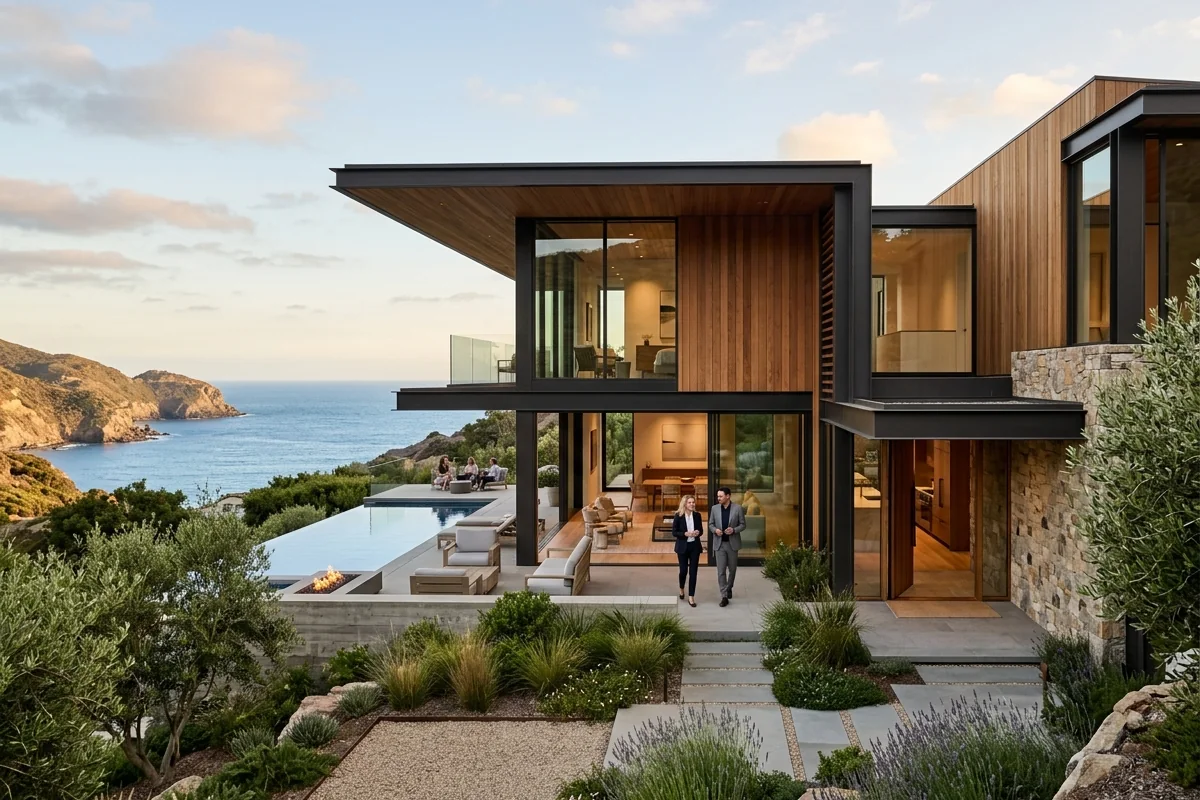
Key Trends Shaping High End Residential Architecture in 2026
Staying ahead in residential design means embracing current trends that define luxury living in 2026. Industry leaders emphasize the following core trends driving the sector:
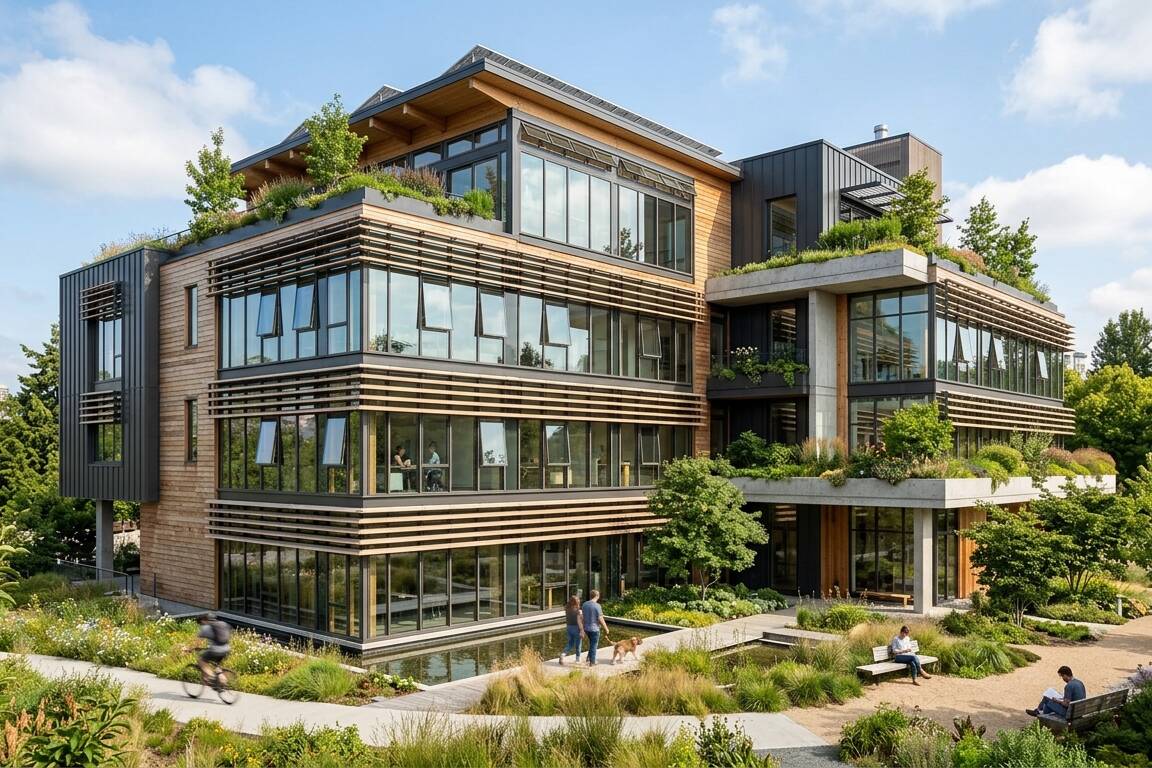
- Sustainable & Green Design: Incorporating eco-friendly materials and sustainable technologies provides long-term savings and environmental benefits. Learn more at the U.S. Green Building Council.
- Smart Home Integration: Seamless automation of lighting, security, and climate control enhances comfort and energy efficiency.
- Indoor-Outdoor Living: Expansive glass walls and outdoor amenities create a continuous flow between interior and exterior spaces.
- Customization & Personalization: Bespoke designs tailored around clients’ lifestyles and preferences are in high demand.
- Minimalist Luxury: Clean lines and uncluttered layouts emphasize quality over quantity.
Adopting these trends requires skilled architects who understand both technology and artistry. For inspiration, explore Villa Architectural Design Istanbul to see how regional practices incorporate global trends.
Practical Tips for Collaborating with High End Residential Architects
Successful projects depend greatly on effective collaboration with your architect. Keep these practical tips in mind when engaging high end residential architects:
- Define your budget and priorities early to align expectations.
- Communicate your lifestyle and design preferences clearly.
- Insist on regular updates and walkthroughs during the design phase.
- Request 3D visualization to preview your home, enhancing understanding and decision-making (benefits of 3D visualization in architecture).
- Verify the architect’s experience with similar high end residential projects.
- Check references and past portfolio work extensively.
Utilizing these tips will streamline the process while ensuring your vision is accurately realized. You can find further support via our Projects page showcasing diverse residential work.
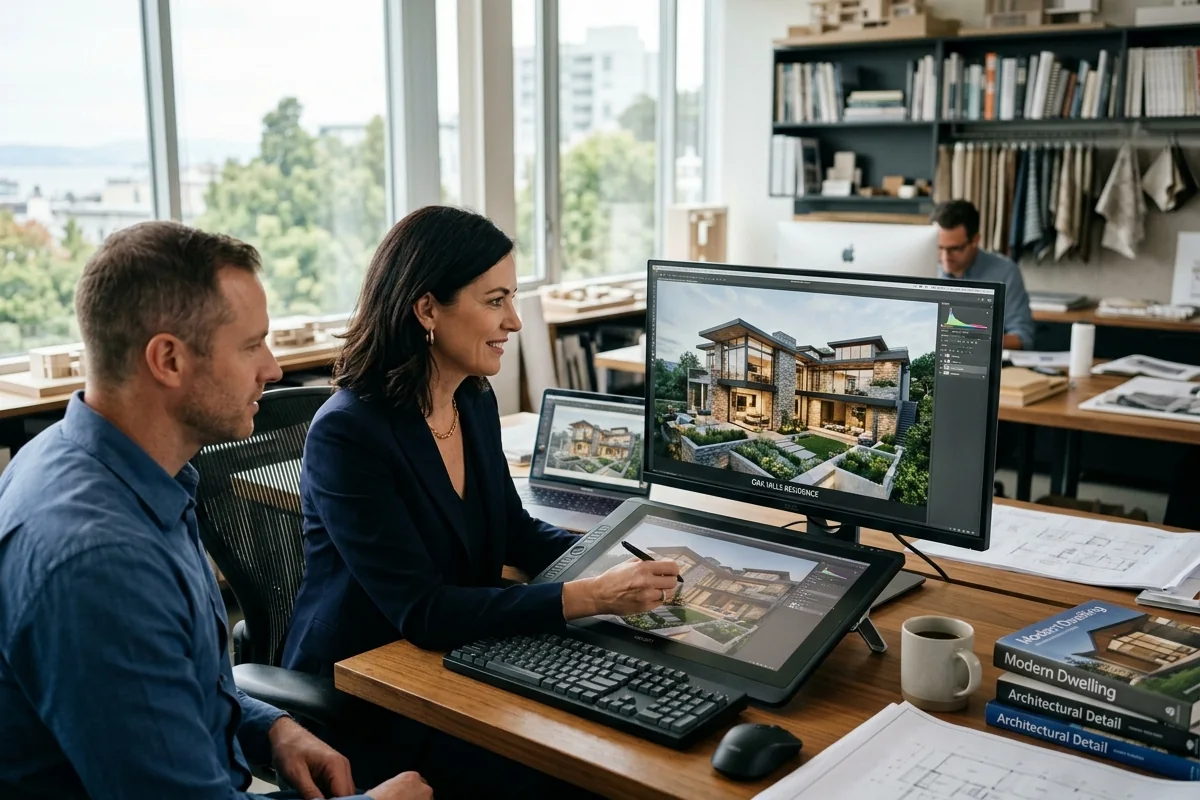
Applying the principles to a project
For an office, assess circulation, focused work, collaboration, storage, lighting and building services together. For a home, examine the relationship between living spaces, privacy, daily routines and outdoor areas. Test proposed changes against the existing structure and project brief before proceeding.
Frequently Asked Questions
Q1: What qualifications should I look for in high end residential architects?
A: Look for licensed professionals with proven experience in luxury residential projects, a strong portfolio, and positive client reviews. It’s essential they understand local building codes and sustainable design practices.
Q2: How can 3D visualization benefit my residential design project?
A: 3D visualization helps you see your future home before construction begins, allowing for adjustments early on. It supports early discussion and comparison, but technical coordination and construction checks remain necessary.
Q3: Why is sustainability important in luxury residential architecture?
A: Assess the building envelope, energy and water systems, material choices and long-term operation. Set project-specific goals and use suitable calculations and documentation; do not assume a fixed cost saving, certification or property-value increase.

Related Posts
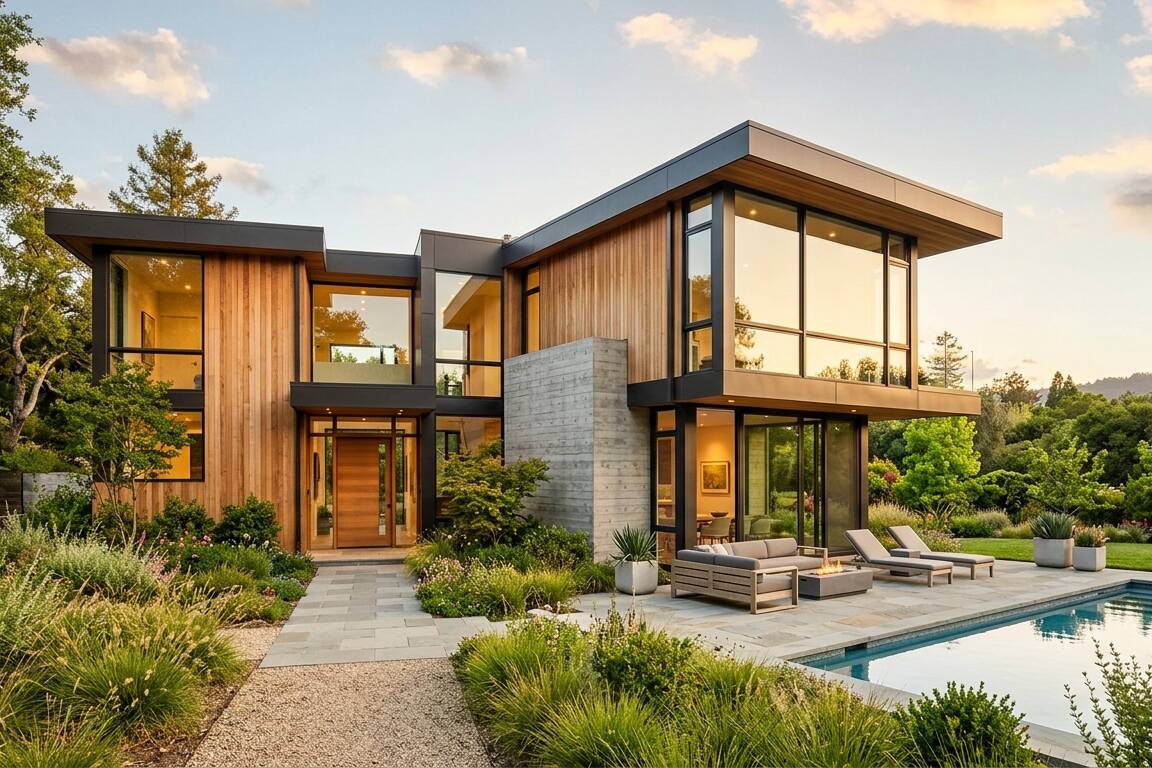
Choosing an Architectural Style for Your Home
Explore essential insights for choosing architectural style home to create a…

Passive Design and Energy Efficiency in Buildings
Discover the benefits and strategies of passive design energy efficiency to…

Professional Interior Design Services: Process and Selection Guide
Learn everything about professional interior design services: practical tips,…