

Passive design for energy efficiency is an essential approach in sustainable architecture that focuses on reducing energy consumption by optimizing building design to harmonize with natural environmental conditions. This method harnesses natural resources such as sunlight, wind, and thermal mass to maintain comfortable indoor environments without heavy reliance on mechanical heating or cooling systems. By incorporating passive design for energy efficiency strategies, property owners and developers can significantly lower operational costs and reduce environmental impact, making it a cornerstone of eco-friendly construction.
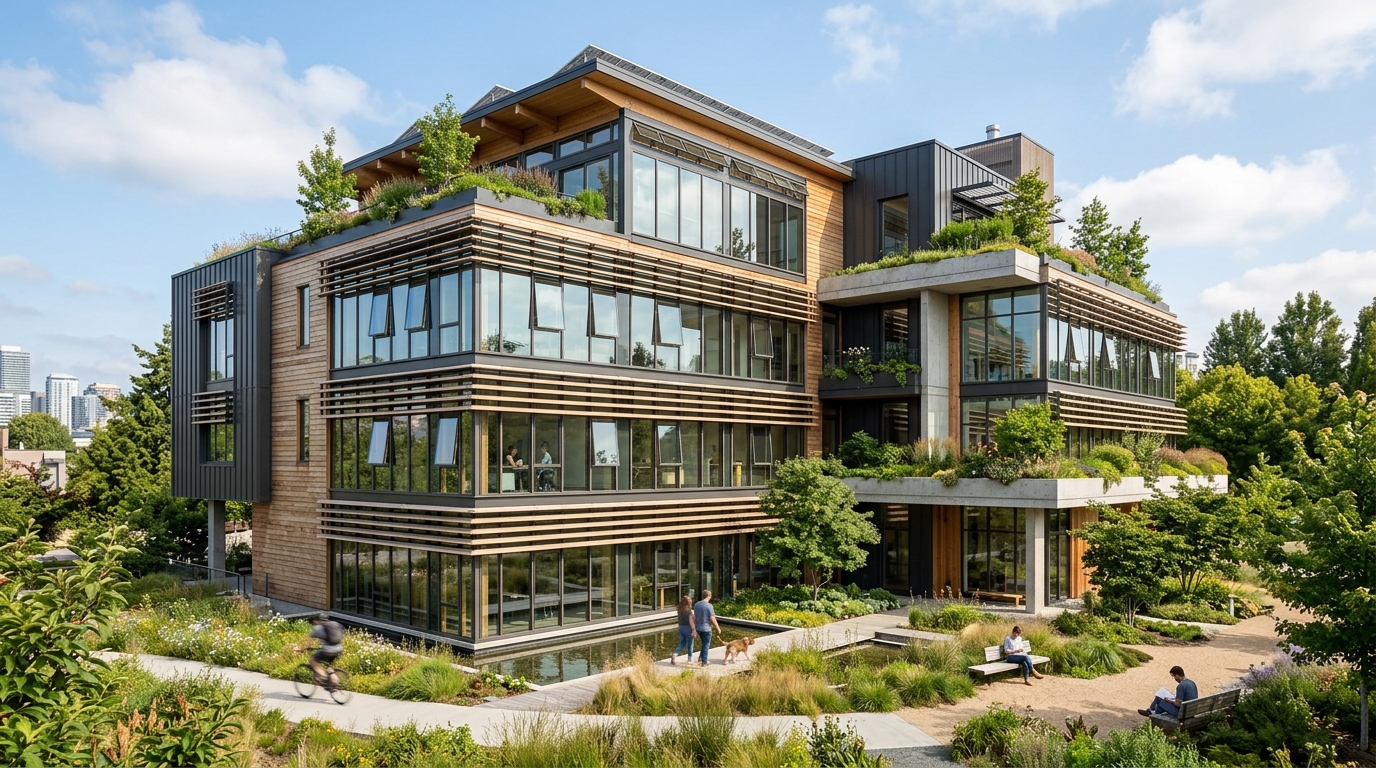
The stepped volumes and terraces of Cennet Çınarcık Residence offer a spatial reference for discussing site response. The project presentation does not supply an energy model or measured consumption; orientation, shading, ventilation and envelope performance need a separate technical assessment.
The Fundamentals of Passive Design Energy Efficiency
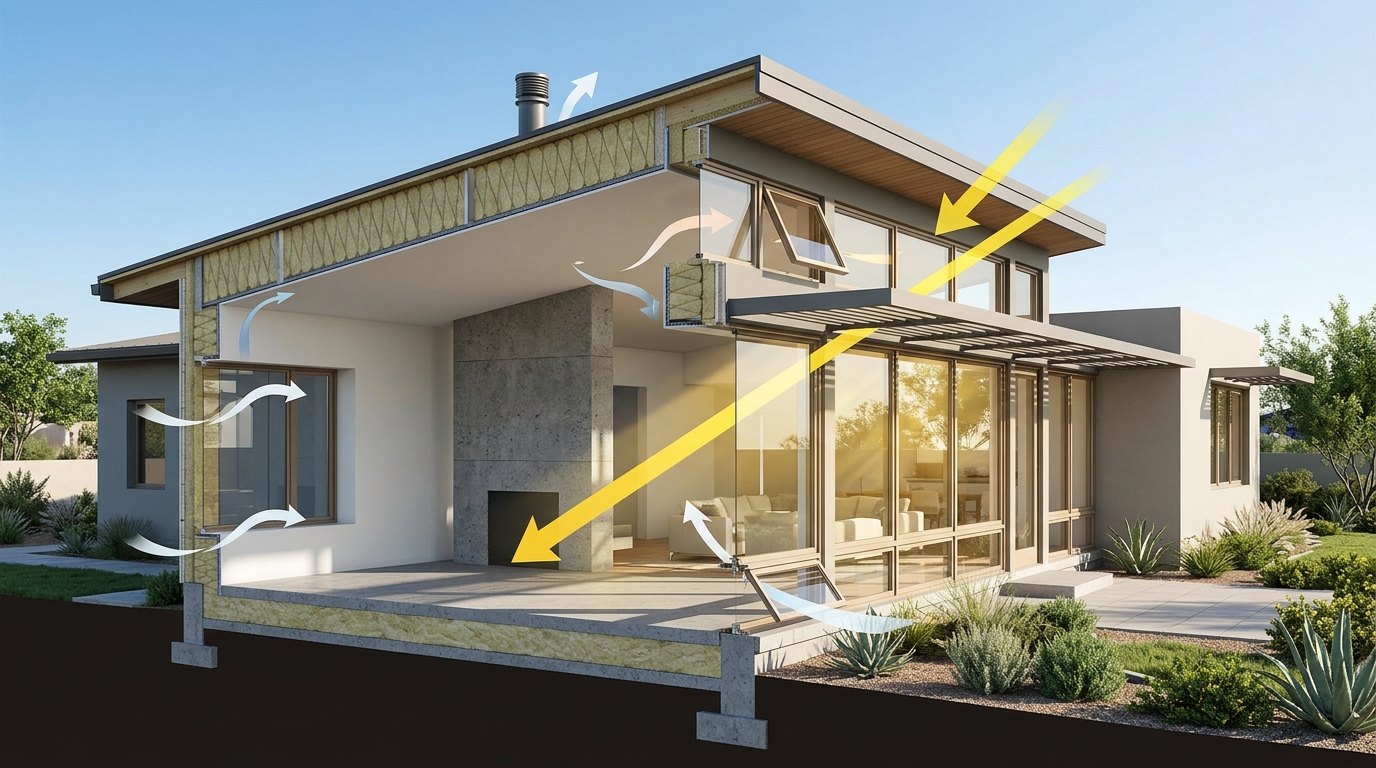
Passive design uses orientation, window placement, insulation and thermal mass to manage indoor temperatures. For example, admitting useful winter sunlight while limiting unwanted summer gains can reduce heating and cooling demand. High-performance insulation and airtight construction help limit uncontrolled heat transfer, with ventilation designed to maintain indoor air quality. These strategies relate to passive solar design, which uses the sun’s energy to heat spaces when that suits the climate and occupancy.
Implementing passive design for energy efficiency requires a thorough understanding of local climate conditions and site-specific factors. Designers analyze sun paths, prevailing winds, and shading opportunities to tailor solutions that optimize energy performance. By integrating these elements early in the planning phase, architects can create buildings that maintain thermal comfort year-round with minimal energy input.
For more detailed guidance, refer to the DOE passive solar home design guide , which offers valuable insights into passive solar design principles.
Key Components of Passive Design Energy Efficiency
Several critical components contribute to effective passive design for energy efficiency. Thermal mass materials such as concrete, brick, or stone absorb and store heat during the day and release it at night, stabilizing indoor temperatures. Natural ventilation, achieved through strategically placed openings, promotes airflow and cools spaces without mechanical systems. Shading devices like overhangs, louvers, and vegetation help prevent excessive solar heat gain, especially in warmer climates.
Window glazing technology also plays a vital role. Double or triple-pane windows with low-emissivity coatings reduce heat transfer, improving insulation while allowing natural light to enter. Combining these components results in a holistic design approach that minimizes energy consumption and enhances occupant comfort.
Benefits of Passive Design Energy Efficiency in Residential and Commercial Buildings
Passive design can improve thermal comfort and reduce the need for mechanical heating and cooling. Natural ventilation must be evaluated against outdoor air quality, noise, humidity and security requirements. Commercial buildings may benefit from lower operating demand and more stable conditions. Energy and indoor-environment performance can contribute to assessment under schemes such as LEED or BREEAM, but certification requires a separate whole-project review.
Energy savings depend on climate, the reference building, occupancy, detailing and construction quality. Assess proposed strategies through project-specific modelling and, after occupation, measured performance. There is no universal saving percentage; lifetime costs and carbon effects should be evaluated using transparent assumptions.
Integrating Passive Design Energy Efficiency into Architectural Services
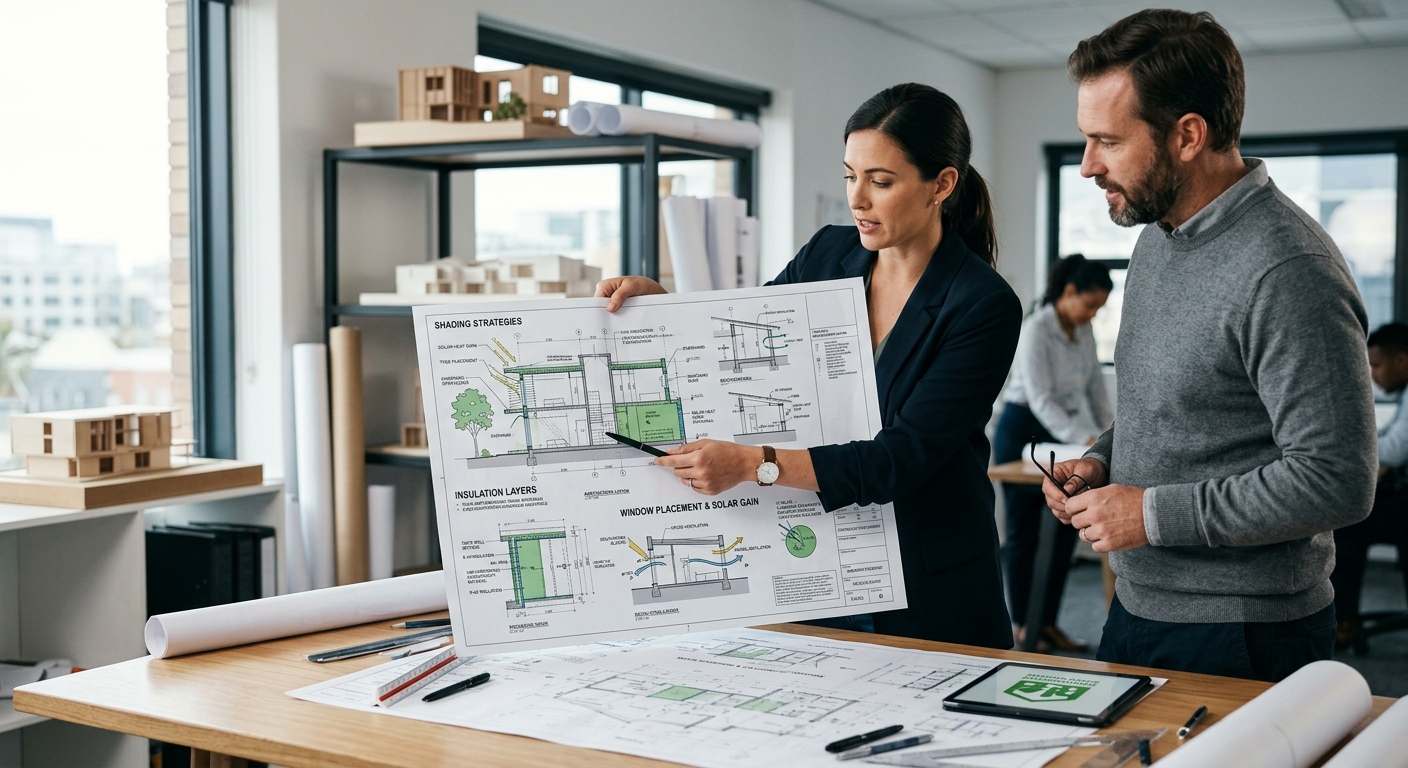
Our architectural design services incorporate passive design for energy efficiency from concept to completion. We conduct detailed site analysis and climate studies to inform design decisions that optimize natural energy use. Our team selects appropriate materials and technologies that enhance thermal performance while maintaining aesthetic appeal. We also provide 3D visualization and simulation tools to demonstrate energy performance outcomes to clients.
For villa owners and commercial clients in Istanbul, passive design can be tailored to local climate and site conditions. The consultancy and supervision scope should identify how specifications, workmanship and commissioning will be checked. Performance and durability depend on design, construction and ongoing operation; they cannot be guaranteed by a design label.
If you want to deepen your knowledge, explore sustainable architectural design strategies that further promote eco-friendly construction. When embarking on a project, consider choosing the right architectural design firm with expertise in passive design for energy efficiency to maximize your building’s potential. For those interested in remodeling, residential renovation architects in Istanbul can help retrofit existing homes with energy-saving features. Additionally, office interior design solutions in Istanbul increasingly incorporate passive design principles to create healthier workplaces. Discover innovative villa architectural design trends that emphasize sustainability and energy efficiency to stay ahead in modern construction.
Practical Strategies for Enhancing Passive Design Energy Efficiency
To maximize passive design for energy efficiency, consider these practical strategies:
- Building Orientation: In Istanbul and other suitable Northern Hemisphere locations, consider south-facing living areas to benefit from winter sun while controlling summer gains.
- Seasonal Shading: Use deciduous trees and shading devices to block summer sun while allowing winter sunlight.
- Insulation: Install high-performance insulation in walls, roofs, and floors to minimize heat transfer.
- Natural Ventilation: Incorporate operable windows and vents to enable cross-ventilation and cooling.
- Reflective Roofing: Select light-colored roofing materials to reflect solar radiation and reduce cooling loads.
- Thermal Mass: Utilize materials that absorb and release heat to stabilize indoor temperatures.
Implementing these measures during the early design stage is cost-effective and yields long-term benefits. Retrofitting existing buildings with passive design improvements, such as adding shading devices or upgrading windows, can also significantly enhance energy efficiency.
Advanced Technologies Supporting Passive Design Energy Efficiency
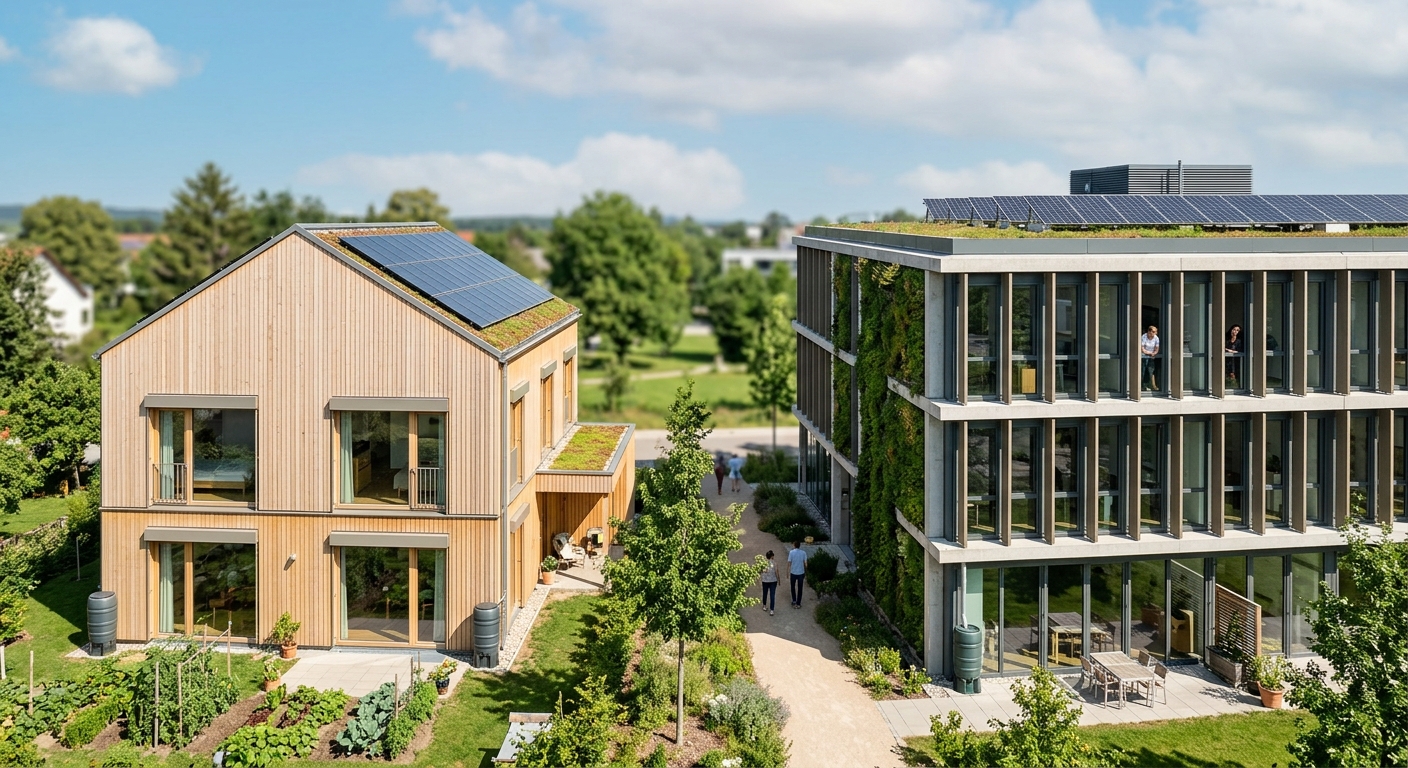
While passive design for energy efficiency primarily relies on natural elements, advanced technologies can complement these strategies for even better results. Building Information Modeling (BIM) and energy simulation software allow architects to predict thermal performance accurately and optimize design parameters. Smart shading systems and automated ventilation controls dynamically adjust to environmental conditions, enhancing occupant comfort and energy savings.
Solar photovoltaic systems can complement passive demand reduction by generating electricity. They do not themselves reduce the building’s underlying energy demand. Net-zero goals require an energy balance covering actual use, generation and the project’s defined assessment boundary.
The Role of Passive Design Energy Efficiency in Achieving Sustainability Goals
Reducing energy demand through design can lessen fossil-fuel dependence and associated emissions. Insulation, shading and thermal mass may also slow indoor temperature changes during outages or extreme weather. These measures support resilience, but do not guarantee safe temperatures under every condition; assess overheating, ventilation and emergency needs.
As climate conditions evolve, passive design for energy efficiency offers adaptable solutions that can be tailored to diverse environments. Whether in urban or rural settings, this approach supports long-term sustainability and economic viability.
Conclusion
Incorporating passive design for energy efficiency into building projects is essential for creating sustainable, cost-effective, and comfortable spaces. By leveraging natural energy flows and advanced technologies, architects can design buildings that reduce energy consumption, lower environmental impact, and enhance occupant well-being. Whether constructing new buildings or retrofitting existing ones, passive design for energy efficiency offers practical strategies that deliver measurable benefits.
Ready to enhance your building’s energy efficiency? Contact our expert architects today to integrate passive design for energy efficiency into your next project for sustainable and cost-effective results.
FAQ
What is passive design for energy efficiency and why is it important?
Passive design for energy efficiency refers to architectural strategies that use natural energy sources to reduce heating and cooling needs. It is important because it lowers energy consumption, reduces costs, and minimizes environmental impact.
How does passive design for energy efficiency differ from active energy systems?
Passive design relies on building orientation, materials, and natural ventilation without mechanical systems, while active systems use equipment like HVAC units. Passive design reduces reliance on energy-intensive devices.
Can passive design for energy efficiency be applied to existing buildings?
Yes, many passive design features such as improved insulation, shading, and window upgrades can be retrofitted to enhance the energy efficiency of existing structures effectively.
What are the main components of passive design for energy efficiency?
Key components include building orientation, thermal mass, natural ventilation, shading devices, and advanced window glazing technologies.
How does passive design for energy efficiency contribute to sustainability certifications?
Passive measures can contribute to energy-use and indoor-environment criteria in certification systems such as LEED and BREEAM. They do not confer certification on their own; the full project must meet the relevant assessment requirements.
For more information or to begin your sustainable building journey, contact us today.

Related Posts
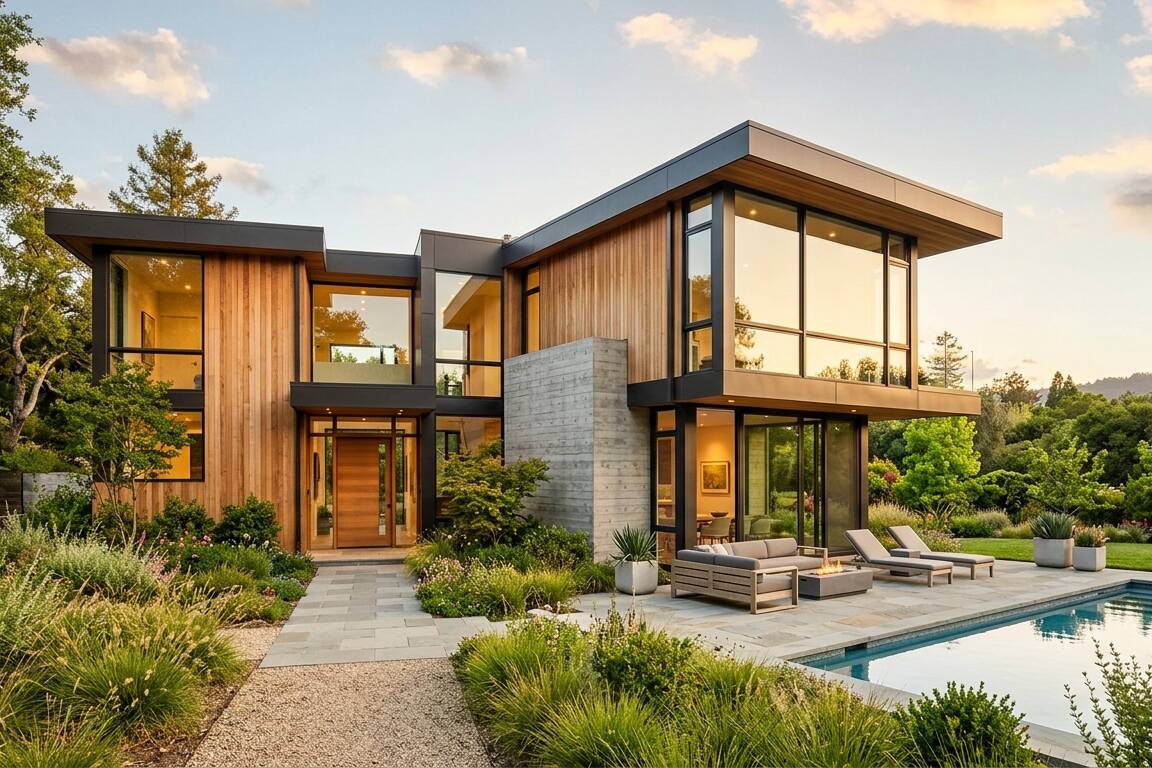
Choosing an Architectural Style for Your Home
Explore essential insights for choosing architectural style home to create a…

Professional Interior Design Services: Process and Selection Guide
Learn everything about professional interior design services: practical tips,…
Düşler Vadisi Interiors: 7 Design Ideas
Discover 7 expert Istanbul düşler vadisi home design trends that transform…