


Introduction
Choosing expert interior design help can feel overwhelming—especially when you’re not sure what you’re actually paying for or whether the results will match your vision. Most people start with a mood board and good intentions, then hit a wall: mismatched furniture, awkward layouts, or a finished room that looks nothing like the inspiration photos.
Compare the apartment interior in AD Flat with the café design and execution scope recorded for CAFE DEL BELLO. They show why a service proposal should distinguish spatial design, technical documentation and implementation responsibilities instead of relying on a broad full-service label.
The good news? That gap between what you imagine and what you get is exactly what skilled interior designers are trained to close.
In this article, we’ll break down what professional interior design services actually include, how the process works from first consultation to final styling, and what to look for when hiring a designer. Whether you’re redecorating a single room or planning a full home renovation, understanding the fundamentals will help you make smarter decisions—and get a space you’ll genuinely love living in.
What Are Professional Interior Design Services?
Professional interior design services refers to the end-to-end process of planning, designing, and managing the look and function of an interior space—carried out by a trained, experienced designer rather than a general contractor or a DIY approach.
At its core, the service combines aesthetics with practicality. A designer assesses how a space is actually used, identifies problems like poor traffic flow or inadequate lighting, and then builds a cohesive plan that addresses all of it—materials, furniture, colour, storage, and finishing details—before a single item is purchased or a wall is painted.
Concrete example: A homeowner wants to renovate a cramped open-plan kitchen and living area. A qualified designer measures the space, creates scaled floor plans, selects fixtures that fit the budget and style, coordinates with tradespeople, and manages delivery timelines. The homeowner makes decisions from a curated shortlist rather than sifting through thousands of options alone.
The key difference from simply hiring a decorator is scope. Expert design services cover both the visual result and the technical, logistical, and budgetary groundwork that makes it achievable. If you’re still weighing your options, our guide on how to choose the right interior designer walks through the key criteria in detail.

Why Investing in Expert Interior Design Matters
A poorly designed space costs more than it looks. Furniture that doesn’t fit, lighting that flattens a room, or a layout that fights the way you actually live—these mistakes add up fast, both financially and emotionally. That’s where working with a qualified design professional makes a measurable difference.
The National Association of Realtors publishes material about home presentation and staging. Staging findings should not be treated as a guaranteed return from a full interior-design project or transferred automatically to another market. Evaluate design through usability, comfort, maintenance and an agreed budget as well as presentation.
Beyond aesthetics, bringing in a skilled designer adds structural thinking to a project. Designers anticipate problems before they become expensive fixes. They understand scale, traffic flow, material performance, and how natural light shifts throughout the day. That expertise reduces costly do-overs and helps you avoid the trap of buying twice.
There’s also a time argument. Most people underestimate how long sourcing, coordinating, and decision-making actually takes. A professional handles that load, so you spend your energy on the decisions that matter most to you.
Professional organisations such as the American Society of Interior Designers (ASID) provide resources about design practice. When evaluating a designer, examine their relevant experience, scope and documented work rather than assuming a membership or design label guarantees satisfaction.
How the Process Works: 7 Steps from Brief to Reveal
Understanding the process makes it easier to commit to it. While every project is slightly different, reputable design firms typically follow a clear, repeatable sequence that keeps both the designer and client aligned from start to finish.
Step 1 — Discovery Consultation
The process begins with a conversation. Your designer asks about how you use the space, what isn’t working, your aesthetic preferences, and your budget range. This session shapes everything that follows, so honesty here pays off later.
Step 2 — Concept Development
Using the information gathered, the designer builds a concept—mood boards, color palettes, material samples, and spatial ideas. This is where the vision starts to take a tangible form before a single item is purchased or moved.
Step 3 — Space Planning and Layout
Good design is functional first. The designer maps out furniture placement, traffic flow, and lighting zones to make sure the space works the way you need it to, not just the way it looks in a photo.
Step 4 — Sourcing and Specification
The designer selects furniture, fixtures, fabrics and finishes that fit the concept and budget. Some designers work with specialist suppliers, which may broaden available options. Ask how procurement fees, trade discounts, commissions and warranties are handled; savings are not automatic.
Step 5 — Presentation and Approval
Before anything is ordered, you review and approve the full proposal. Adjustments happen here—not after delivery.
Step 6 — Implementation and Project Management
Once approved, the designer coordinates procurement, delivery, and installation, acting as your single point of contact with contractors, suppliers, and tradespeople.
Step 7 — Final Styling
The last step is the layering of accessories, art, and lighting that pulls everything together into a cohesive, finished result. This stage is often what separates a room that looks “done” from one that looks designed.
Each stage builds on the previous one, so skipping decisions can create later corrections. For a budget tailored to the work you are considering, discuss your project requirements and ask for an itemised scope and estimate.
Common Mistakes to Avoid When Hiring a Designer
Even when you’ve decided to invest in expert help, a few common missteps can slow the project down or undermine the results. Here’s what to watch for.
Withholding your real budget. Many clients share a vague or understated number, hoping to negotiate later. Designers work backward from budget to make material and labor decisions, so an unclear figure leads to proposals that miss the mark entirely. Be specific and honest from the first conversation.
Treating the brief as optional. Skipping or rushing the discovery phase—where you articulate how you use each room, what you dislike about the current space, and what your long-term plans are—leaves designers guessing. Prepare thoughtfully before the kickoff meeting.
Micromanaging every decision. There’s a difference between staying informed and overriding professional judgment at every turn. Constant second-guessing slows momentum and can fragment a design that was conceived as a cohesive whole. Trust the process you hired for.
Making major purchases before the design is finalized. Buying a sofa or pendant light early to “save time” often creates constraints the designer then has to work around. Wait until the overall scheme is approved.
Ignoring lead times. Custom furniture and specialty materials take time. Clients who expect a finished room on a retail-store timeline are routinely disappointed. Ask about lead times early and plan accordingly.
How to Evaluate and Choose a Design Firm
Not all firms offering design help are equal. Here’s a practical checklist for vetting your options before signing a contract.
- Verify credentials and relevant experience. Professional bodies such as ASID and the British Institute of Interior Design (BIID) publish information about their membership categories and standards. Check the individual’s actual qualifications, role and any locally required authorisation; membership is not a substitute for project-specific due diligence.
- Review a portfolio with projects similar to yours. A designer who specialises in minimalist commercial offices may not be the best fit for a maximalist family home.
- Ask for references from past clients. Specifically ask how the designer handled budget overruns, delays, and disagreements—not just whether the final result looked good.
- Understand the fee structure upfront. Common models include flat project fees, hourly rates, and percentage-of-spend arrangements. Each has trade-offs depending on your project scope.
- Assess communication style. You’ll be working closely with this person for weeks or months. A designer whose communication style doesn’t match yours will create friction regardless of their technical skill.
Our guide to choosing a design firm offers further questions to prepare for your first consultation.
Frequently Asked Questions
Is this type of service only for large budgets?
Not at all. Designers work across a wide range of budgets. A good professional will help you prioritise spending so every dollar has maximum impact—whether you’re refreshing a single room or redesigning an entire home.
How involved do I need to be in the process?
Agree the level of involvement and decision deadlines at the outset. Some clients prefer frequent reviews while others delegate day-to-day coordination. In either case, clarify which approvals remain with you and who may authorise purchases or changes.
Will the designer respect my personal style, or push their own aesthetic?
A skilled designer listens first. The goal is to create a space that reflects you, not a portfolio piece. Expect plenty of questions about how you live, what you love, and what hasn’t worked in the past.
What if I already own furniture I want to keep?
That’s completely fine. Designers regularly work with existing pieces, incorporating them into a new scheme rather than starting from scratch.
How is hiring a professional different from using an online room-planning tool?
Online planning tools can help explore layouts and may support visual or technical studies. They do not replace a site survey, product verification, professional responsibility or contractor coordination. A designer interprets those inputs and manages the practical decisions for the agreed scope.
When is the right time to bring in a designer?
Earlier than you think—ideally before you’ve purchased anything or committed to a layout. Early involvement gives the designer the most flexibility to shape a cohesive result.
Conclusion and Next Steps
Engaging professional interior design services is one of the most practical decisions you can make for your home or workspace—but only when you go in prepared. Here are the three ideas worth holding onto.
First, process matters. A structured workflow—from discovery and concept development through to installation—keeps decisions intentional rather than reactive. Understanding that process helps you show up as a better collaborator.
Second, budget clarity is non-negotiable. Transparent, early conversations about money protect both you and your designer. Vague budgets lead to scope creep, delays, and disappointment on both sides.
Third, avoid the common traps. Skipping the brief, micromanaging material selections, or treating the designer as a shopping assistant rather than a strategic partner are the fastest routes to a project that falls short of its potential. Clear communication and mutual trust produce the best results.
Your next step: Before you reach out to a design firm, spend 20 minutes writing down your non-negotiables—the rooms involved, your rough budget range, and two or three spaces that genuinely inspire you. Arriving at that first consultation with even a rough brief signals that you’re a serious client and gives your designer the foundation to do their best work.

Related Posts
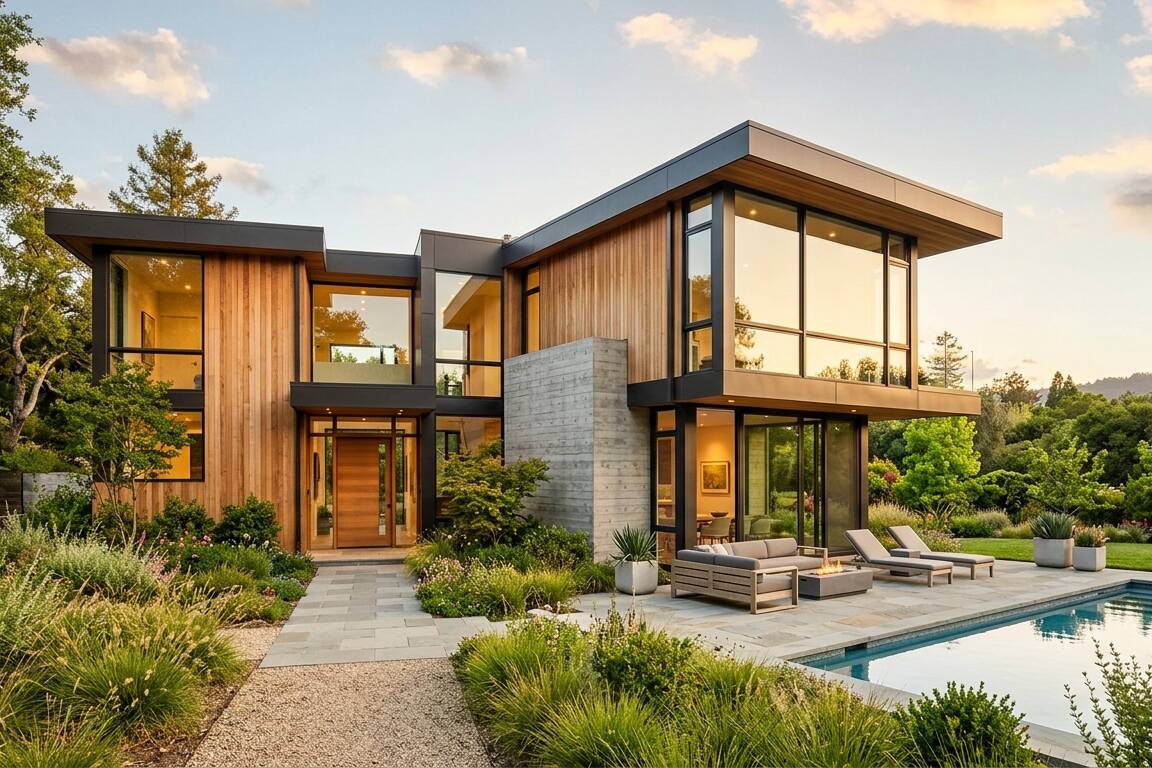
Choosing an Architectural Style for Your Home
Explore essential insights for choosing architectural style home to create a…


Passive Design and Energy Efficiency in Buildings
Discover the benefits and strategies of passive design energy efficiency to…
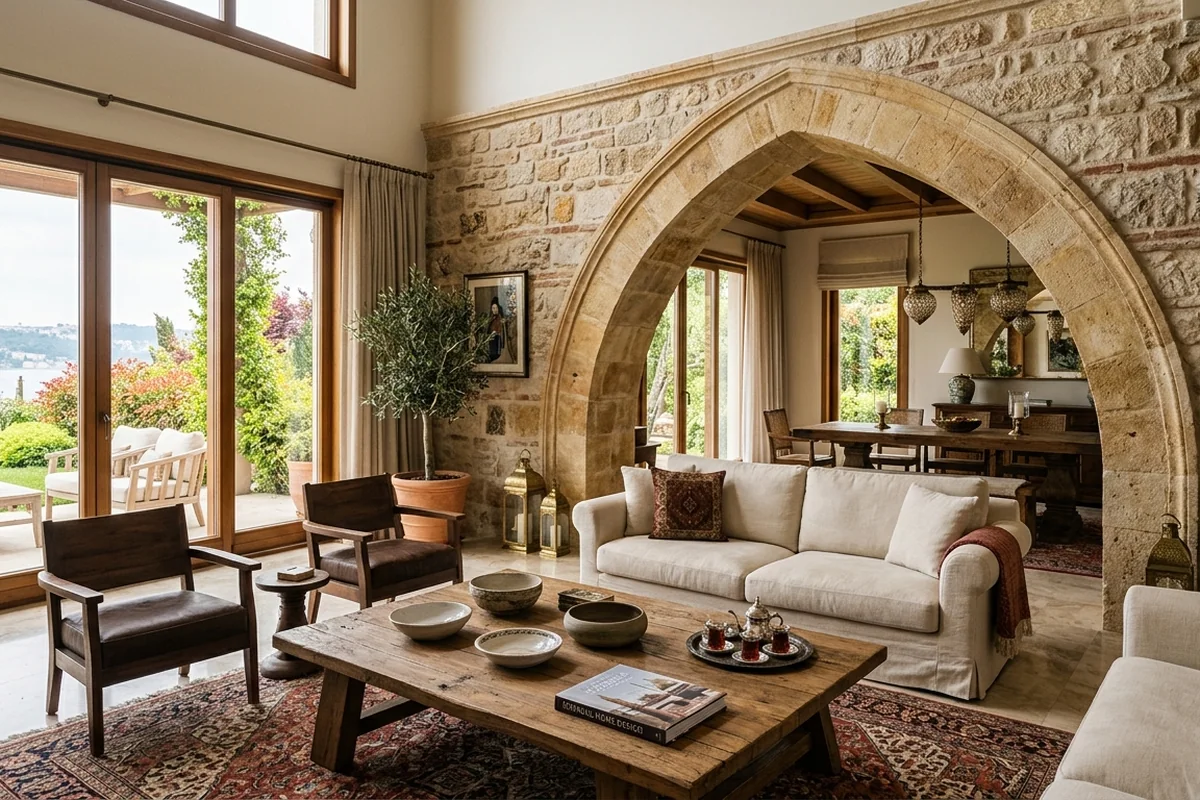
Düşler Vadisi Interiors: 7 Design Ideas
Discover 7 expert Istanbul düşler vadisi home design trends that transform…