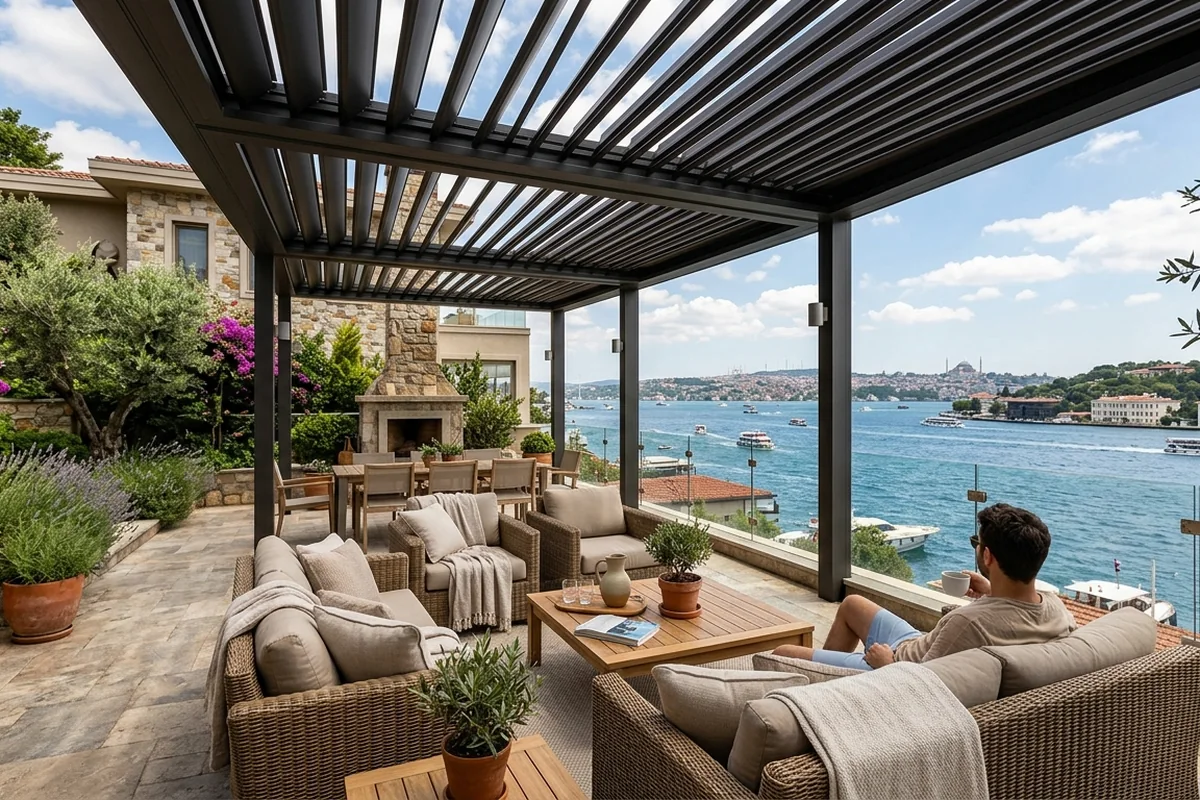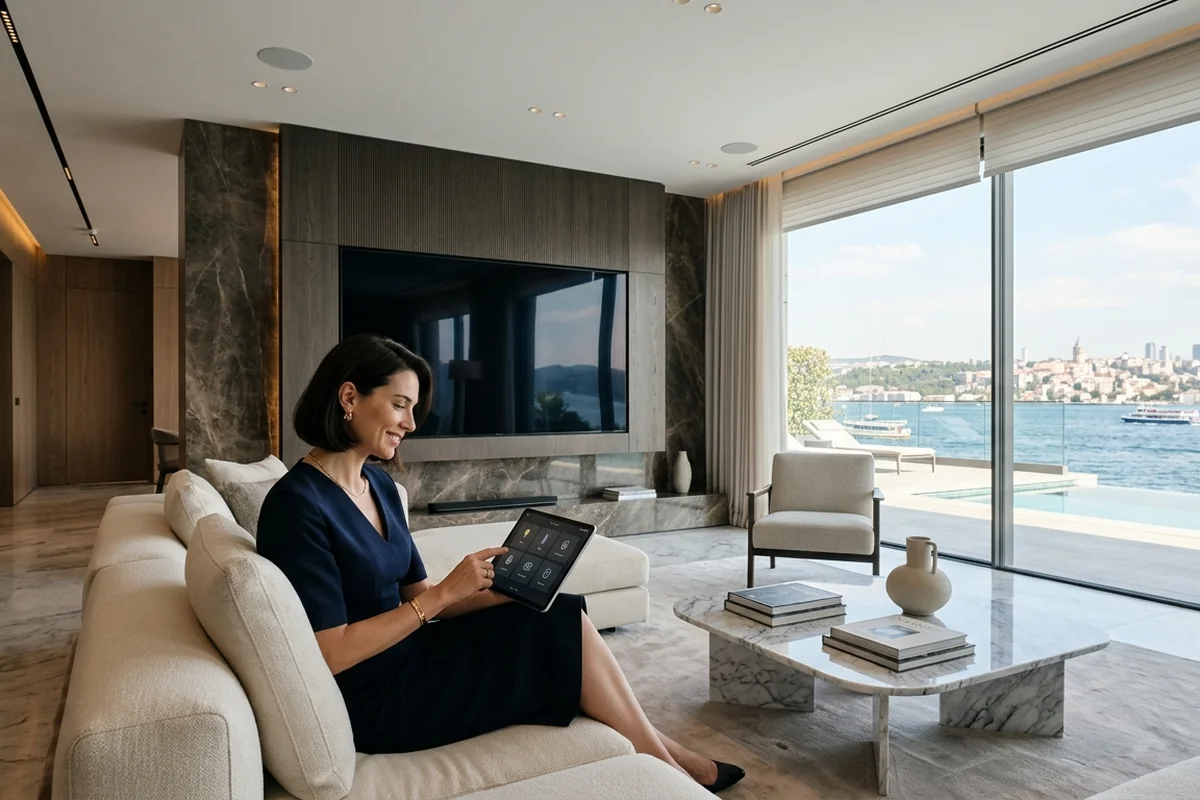
Passive house design principles have revolutionized sustainable architecture worldwide. By focusing on energy efficiency, comfort, and environmental responsibility, these principles enable property owners, investors, and developers to significantly reduce operational costs while enhancing building performance. Whether you own a villa in Istanbul, manage commercial real estate, or seek high-quality architectural solutions, understanding passive house design principles will empower you to make informed, future-proof choices for your next project.

Table of contents

  • What Are Passive House Design Principles?
  • Key Components of Passive House Design
  • Practical Tips for Applying Passive House Design Principles
  • Passive House vs. Conventional Building: A Comparison
  • Frequently Asked Questions

What Are Passive House Design Principles?

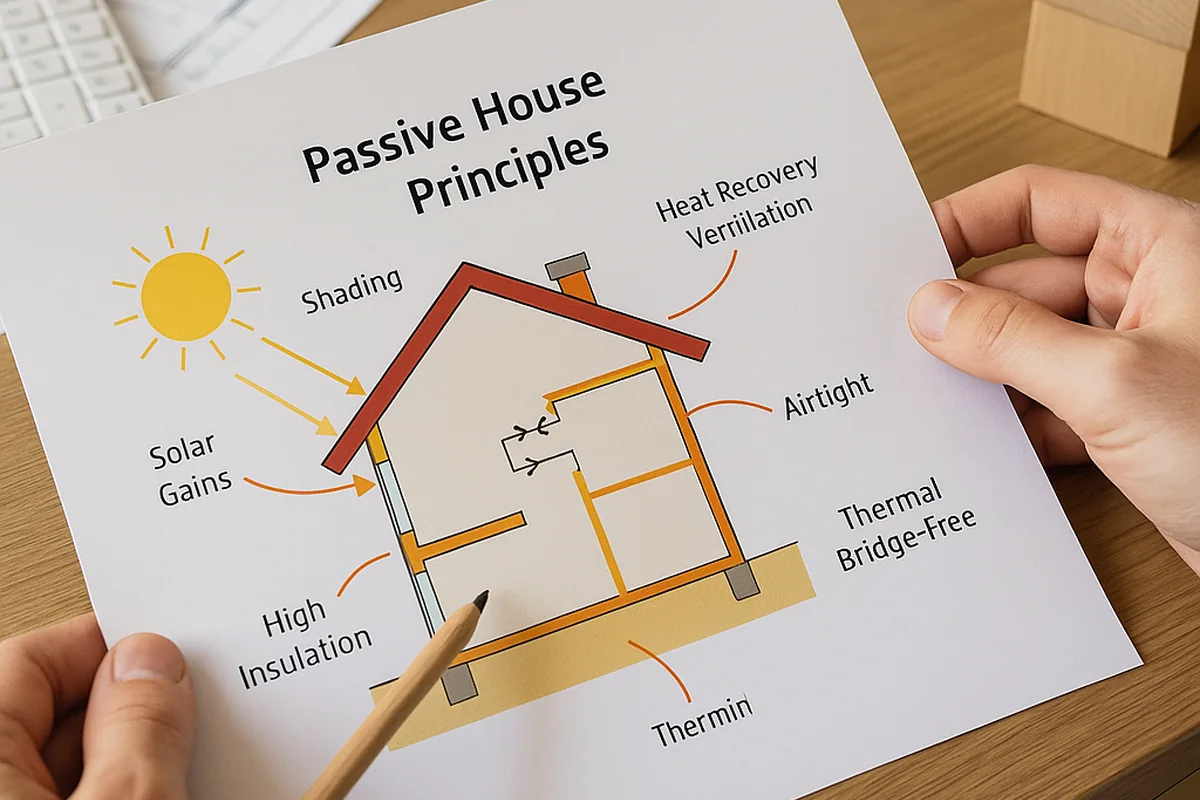
Passive house design principles represent a stringent, science-based standard for energy efficiency in buildings. Developed in Germany in the late 1980s by Dr. Wolfgang Feist and Professor Bo Adamson, the Passive House Standard (Passivhaus) prioritizes thermal comfort, drastically reduced energy consumption, and minimal environmental impact. At its core, the approach integrates five primary principles:

1. Super-insulated building envelope

2. Airtight construction

3. High-performance windows and doors

4. Thermal bridge-free design

5. Mechanical ventilation with heat recovery

How Passive House Principles Work

These techniques combine to create spaces that are remarkably comfortable year-round, regardless of external conditions. For property owners and real estate investors in Istanbul, embracing these principles can result in substantial savings and increased property value. For example, a residential building constructed to Passive House standards in Ankara saw annual heating bills drop by over 85% compared to a conventional home of similar size. Moreover, the internal climate remains consistent, with temperature fluctuations of less than 2°C, even during severe winter cold snaps.

Global Impact

To date, over 60,000 buildings worldwide have achieved Passive House certification, ranging from small homes to large commercial complexes. In Germany and Austria, entire neighborhoods have adopted these standards, achieving up to 90% reductions in heating and cooling energy use compared to conventional buildings.

If you’re considering a new project or a major renovation, our expert team can guide you through the entire process. Explore our services to see how we implement passive house design principles in residential and commercial settings. Or, see our latest achievements in our project portfolio.

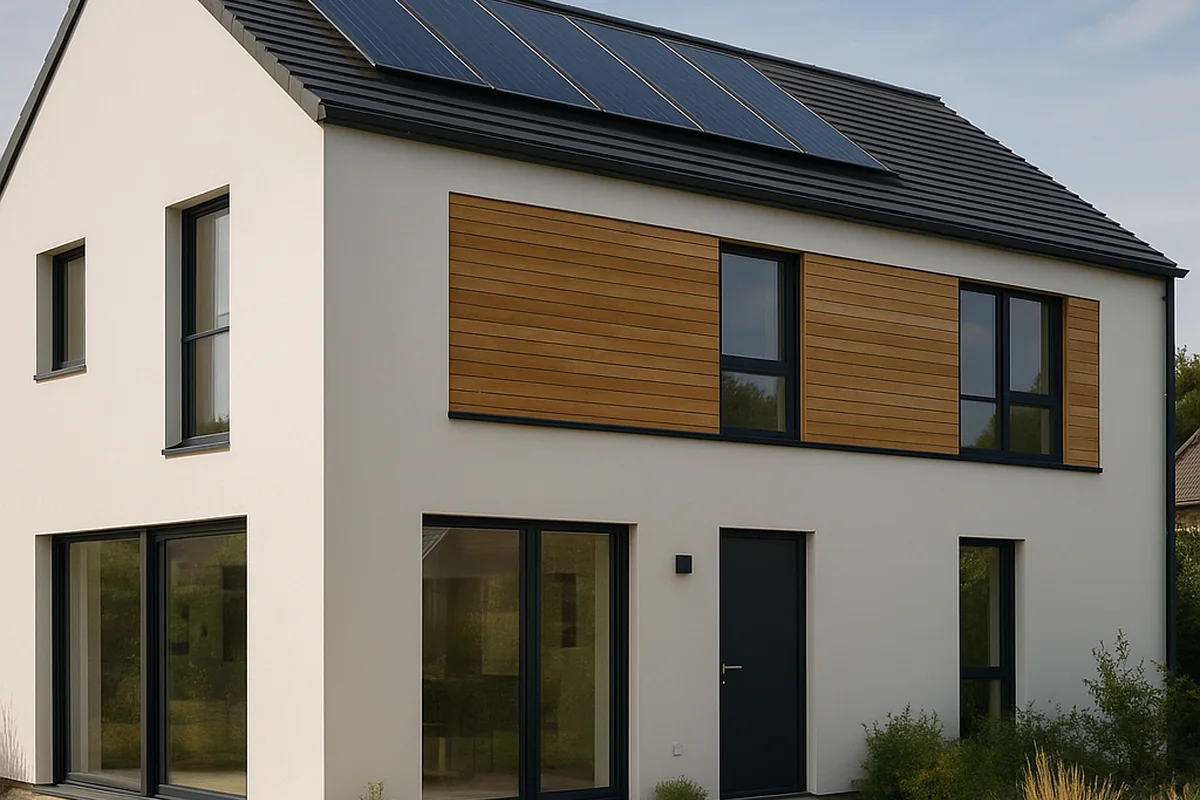
passive house design principles cover image

Key Components of Passive House Design

To achieve the Passive House Standard, each element of the building must perform at optimal levels. Let’s break down the five essential passive house design principles and their real-world applications:

1. Super-Insulated Envelope

High levels of wall, roof, and floor insulation dramatically reduce heat loss in winter and heat gain in summer. Typical insulation values in a Passive House are around U=0.10–0.15 W/m²K for walls and roofs, which is two to three times better than standard construction.

Example:

In a Passive House project in Frankfurt, Germany, 40 cm of cellulose insulation was used in external walls, reducing heating demand to just 15 kWh/m² per year—compared to 100 kWh/m² in a traditional building.

Data:

According to the International Passive House Association, super-insulated buildings can save up to 75% of heating energy compared to new conventional buildings, and over 90% compared to existing stock.

2. Airtight Construction

Meticulous sealing of joints and penetrations in the building envelope prevents unwanted air leakage, improving comfort and reducing drafts. Airtightness is measured using a blower door test, and Passive House certification requires ≤0.6 air changes per hour at 50 Pascals pressure (ACH@50Pa).

Case Study:

A school in Brussels failed its initial airtightness test, measuring 1.2 ACH@50Pa. After re-sealing window frames and service penetrations, the building passed with 0.5 ACH@50Pa, ensuring eligibility for certification and slashing heating energy use.

3. High-Performance Windows and Doors

Advanced triple-glazing, low-e coatings, argon or krypton gas fills, and insulated frames are essential. These features minimize heat transfer, enhance soundproofing, and maximize daylight.

Example:

In Istanbul, the use of locally manufactured triple-glazed windows (Uw-value = 0.80 W/m²K) with insulated aluminum frames contributed to a 70% reduction in heat loss compared to previous double-glazed units.

Data:

Properly specified windows and doors can account for up to 25% of total energy saving in a Passive House project, according to the Passive House Institute.

4. Thermal Bridge-Free Detailing

Thermal bridges are areas where heat escapes easily, such as at corners, balconies, or where floors meet exterior walls. Passive House design eliminates these through careful detailing and materials selection.

Practical Solution:

A Passive House office in Vienna used continuous external insulation and thermally broken balcony supports to eliminate bridging. Thermal imaging showed uniform wall temperatures and zero cold spots, even in winter.

5. Mechanical Ventilation with Heat Recovery (MVHR)

An MVHR system supplies continuous filtered fresh air and recovers up to 90% of heat from exhaust air, maintaining indoor air quality and temperature stability.

Mini-Case Study:

A 12-unit apartment block in Istanbul installed MVHR units rated at 88% heat recovery efficiency. Residents reported significant improvements in air quality, reduced condensation, and no noticeable drafts, all while slashing energy bills by 80%.

Data:

The U.S. Department of Energy notes that MVHR systems in Passive House buildings can reduce ventilation-related heating losses by 75–90% compared to natural ventilation (energy.gov).

These components work synergistically to create a building that needs minimal heating or cooling.

Key benefits of passive house design principles include:

  • Drastically reduced utility bills (often 75–90% lower)
  • Superior thermal comfort and indoor air quality (constant fresh air, no drafts)
  • Enhanced building durability and value (low moisture, fewer repairs)
  • Lower carbon footprint (less fossil fuel use, fewer emissions)

For more about how passive principles are shaping cutting-edge architecture in Istanbul, see our article on the best architecture firms in Istanbul.

Practical Tips for Applying Passive House Design Principles

Integrating passive house design principles begins in the earliest stages of project planning. Here are proven strategies for successful implementation:

Site Orientation

Position buildings to maximize solar gain in winter and avoid overheating in summer. In Istanbul, this might mean orienting the longest facade to the south and using overhangs or shutters to shade windows in summer.

Example:

A villa in Bursa was oriented 15° east of south to capture maximum morning sun in winter, reducing heating demand by 12% compared to a standard east-west layout.

Material Selection

Use high-performance, locally sourced insulation and airtight materials. Consider recycled or renewable materials, such as cellulose, wood fiber, or mineral wool, to further reduce environmental impact.

Practical Tip:

Choose insulation materials with Global Warming Potential (GWP) values under 5 for the greenest result. Mineral wool and cellulose typically meet this benchmark.

Integrate with Local Codes

Ensure compliance with both international standards and local Istanbul regulations. Some Turkish municipalities now offer incentives for energy-efficient construction, such as reduced building permit fees for projects meeting high performance standards.

Continuous Quality Control

Conduct on-site blower door tests and thermal imaging to verify airtightness and insulation. This is critical: up to 20% of energy loss in new buildings is due to poorly installed insulation and hidden leaks.

Checklist for Passive House Success:

  • Analyze site conditions and climate data
  • Select verified Passive House-certified products
  • Coordinate closely with architects and builders throughout the process
  • Schedule regular inspections during and after construction
  • Plan for long-term maintenance of ventilation systems (filter changes, annual checks)

Mini-Case Study: Passive House Retrofit in Istanbul

A 1960s apartment block in Kadıköy underwent a deep retrofit using Passive House design principles. External insulation was increased to 30 cm, all windows were upgraded to triple-glazed units, and a centralized MVHR system was installed. Before the retrofit, annual heating costs averaged €1,500 per unit; after the retrofit, costs dropped to under €200. Indoor air quality complaints disappeared, and the building’s value increased by 18% within two years.

Ready to take the next step? Learn about the steps in project planning and execution to ensure your project achieves Passive House certification.

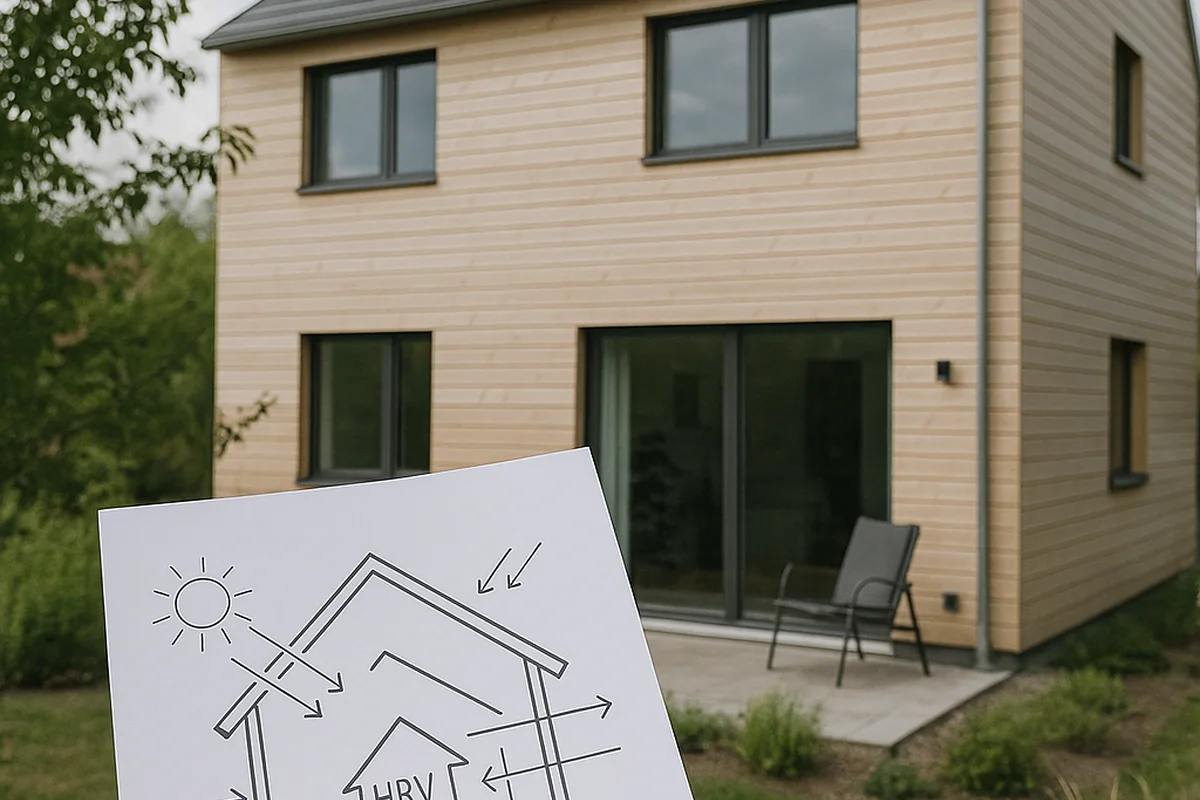
passive house design principles supporting image

Passive House vs. Conventional Building: A Comparison

How do passive house design principles stack up against traditional construction? Here’s a side-by-side comparison:

Feature Passive House Design Principles Conventional Building
Insulation Level Very high; continuous and thick Moderate to low; often interrupted
Airtightness Extremely tight (≤0.6 ACH@50Pa) Variable; typically leaky
Windows & Doors Triple-glazed, insulated frames Double or single-glazed, basic frames
Ventilation System MVHR, filtered fresh air Natural or basic exhaust fans
Energy Usage 75–90% less for heating/cooling High
Comfort & Air Quality Consistent, healthy, draft-free Fluctuates, may have drafts
Upfront Cost Slightly higher Lower, but higher lifetime costs

Cost-Benefit Analysis

While Passive House construction can increase upfront costs by 5–10% compared to conventional methods, the investment typically pays off within 5–10 years due to drastically lower energy bills. For example, a Passive House school in Belgium spent €100,000 more in construction, but annual energy savings of €20,000 meant a payback period of just five years.

Case studies published on ArchDaily and research found in ScienceDirect confirm that the higher initial investment in passive house design principles pays off swiftly through energy savings and improved occupant well-being.

Real-World Example: Istanbul Office Building

In 2021, a mid-rise office building in Istanbul was completed to Passive House standards. The building’s heating and cooling costs averaged €0.60/m² annually—an 85% reduction compared to neighboring offices. Tenants also enjoyed superior acoustic isolation and reported fewer sick days, attributed to constant filtered fresh air.

passive house design principles detail image

Frequently Asked Questions

Q1: What is the biggest challenge in implementing passive house design principles?

A: The greatest challenge is ensuring airtightness and eliminating thermal bridges during construction. This requires careful planning, skilled contractors, and rigorous quality control. Working with experienced architects and builders familiar with the Passive House Standard is crucial. For instance, a project in Ankara encountered delays after discovering thermal bridging around steel columns; resolving the issue required redesigning junctions and using advanced thermal breaks.

Q2: Are passive house design principles suitable for Istanbul’s climate?

A: Absolutely. The principles are adaptable to any climate, including Istanbul’s Mediterranean environment. With the right design and materials, buildings remain comfortable year-round, and energy demands for heating and cooling drop dramatically. The first certified Passive House in Turkey, completed in 2015 in Bursa, maintains interior temperatures between 20–24°C year-round with minimal mechanical heating or cooling.

Q3: Can passive house principles be applied to renovations as well as new builds?

A: Yes, you can retrofit existing buildings using passive house design principles. While it may be more complex than starting from scratch, substantial energy and comfort improvements are achievable with expert guidance. The EnerPHit standard, developed by the Passive House Institute, provides a roadmap for deep energy retrofits that meet most of the benefits of new Passive House construction.

Q4: How long does it take to recoup the initial investment in a Passive House?

A: Most owners recover the extra investment within 5–12 years through energy savings, depending on local energy costs and building size. For example, a family home in İzmir spent an extra €20,000 on Passive House upgrades but now saves €2,500 annually on heating and cooling.

Q5: Do Passive Houses require special maintenance?

A: No special maintenance is required beyond routine filter changes for the MVHR system and standard building care. In fact, the durability of the building envelope and systems can reduce long-term maintenance costs.

By embracing passive house design principles, you ensure your project is efficient, comfortable, and future-ready—whether for residential or commercial use in Istanbul or beyond. For more guidance, contact our team or explore our portfolio of Passive House projects.

Related Posts

Privacy Preference Center