

Boutique architecture and design blend personalized creativity with high-quality craftsmanship to deliver exquisite living and working environments. In Istanbul — a city that seamlessly merges centuries of tradition with a vibrant contemporary life — boutique architecture Istanbul stands apart by offering tailored solutions for property owners, real estate investors, villa owners, and commercial business clients. This specialized approach focuses on creating spaces that reflect individual identities, enhance lifestyles, and support lasting usability.
Compare the café identity and material rhythm of Brew Land Café with the planted divisions and seating in Oasis Cadde Café. These Istanbul projects provide specific details for evaluating a tailored design approach, rather than assuming that the boutique label describes one fixed style.
Whether you own a luxury villa overlooking the Bosphorus or a commercial property in one of Istanbul’s thriving districts, boutique architecture and design can elevate your entire experience. Expert architects and designers work closely with you to craft environments that are not only visually stunning but also highly functional, culturally resonant, and contextually relevant.
Table of Contents
1. What Sets Boutique Architecture Istanbul Apart
2. 7 Key Features and Benefits
3. Boutique Architecture for Residential Projects
4. Boutique Architecture for Commercial Spaces
5. Practical Tips for Partnering with Boutique Architects
6. Sustainability in Boutique Architecture
What Sets Boutique Architecture Istanbul Apart
The term boutique usually describes a design practice focused on customization and close project attention. The label alone does not establish quality. Review how the team analyses client and site needs, prepares drawings, coordinates specialists and follows implementation.
Istanbul is an extraordinary setting for this kind of work. The city’s layered history — from Byzantine basilicas to Ottoman palaces to modernist towers — offers architects an unparalleled visual and cultural vocabulary to draw from. According to UNESCO’s recognition of Istanbul’s historic areas, the city’s built heritage is among the most significant in the world, making contextual sensitivity not just desirable but essential.
Architects working in the boutique niche focus on:
- Integrating local cultural elements to maintain authenticity and a sense of place
- Using high-quality, sustainable materials sourced thoughtfully and responsibly
- Collaborating closely with clients to bring personal tastes, lifestyles, and aspirations to life
- Respecting Istanbul’s climatic and topographic conditions to ensure comfort and longevity
This attention can help balance form and function in residential and commercial work. Evaluate the outcome by usability, details and its ability to respond to needs over time, rather than by a promised increase in property value.
7 Key Features and Benefits of Boutique Architecture Istanbul
Understanding the core advantages of boutique architecture helps property owners and investors make informed decisions about their development. Here are seven features that define this specialised discipline:
1. Personalised Design Solutions
Customization should respond to the brief, existing conditions and local context. Evaluate the proposed design against the client’s actual needs rather than relying on the boutique label alone.
2. Exceptional Craftsmanship and Material Quality
Material quality and careful detailing can support durability and appearance. Stone, joinery and metalwork need appropriate specifications, workmanship and maintenance.
3. Sustainability and Environmental Responsibility
Energy efficiency, shading, natural ventilation and climate-appropriate materials can be integrated into the design. World Green Building Council resources offer background on sustainability, while every project needs its own performance assessment.
4. Comprehensive End-to-End Services
From initial concept sketches and planning permissions to detailed interior design and project management, the boutique approach covers the entire creative process seamlessly — removing complexity for the client.
5. Cultural and Contextual Sensitivity
Working within Istanbul demands an understanding of local planning regulations, neighbourhood character, and historical context. Boutique architects invest time in understanding these layers before a single line is drawn.
6. Property Quality and Usability
A coherent design can improve usability and appeal to its intended users. Market value and investment returns also depend on location, market conditions, costs and management; a particular design approach cannot guarantee them.
7. Long-Term Client Relationships
Unlike transactional construction firms, boutique studios build lasting relationships with clients — often returning for renovations, extensions, and new projects as trust deepens over time.
Boutique Architecture for Residential Projects in Istanbul
For villa owners and luxury apartment investors, boutique architecture Istanbul offers the most compelling route to a home that genuinely reflects who you are. Istanbul’s residential landscape is extraordinarily diverse — from historic yalıs (waterfront mansions) along the Bosphorus to contemporary penthouse apartments in Levent or Nişantaşı — and each typology demands a different design response.
A boutique residential project typically begins with an immersive briefing process. Architects spend time understanding not just room requirements and square footage, but how you live: when you entertain, how you work from home, what light you prefer in the morning, which views matter most to you. This depth of understanding is what separates boutique practice from standard architectural services.
Key residential applications include:
- Luxury villa design and renovation — creating serene, bespoke retreats with premium finishes and seamless indoor-outdoor connections
- Luxury apartment interiors — maximising spatial quality, light, and material richness within urban footprints
- Historic property restoration — sensitively updating Ottoman or early Republican-era buildings while preserving their irreplaceable character
- Landscape and garden design — extending the boutique experience beyond the walls to terraces, gardens, and poolscapes
For a villa owner, the aim is a comfortable home that reflects its residents. Durability and maintenance deserve the same attention as the final appearance.
Boutique Architecture for Commercial Spaces in Istanbul
For a commercial project, tailored design can express brand identity, organize operations and improve visitor and staff experience. Needs differ between a retail store, hotel, club and office; rental or revenue gains are not guaranteed.
Whether designing a flagship retail concept in Beyoğlu, a boutique hotel in Sultanahmet, a members’ club in Bebek, or a creative office campus in Maslak, the boutique architectural approach brings the same rigour and personalisation applied to residential work. Commercial clients benefit from:
- Brand-aligned spatial design that communicates identity and values at every touchpoint
- A layout can support operations by considering staff, visitors, storage and service routes. Any expected cost savings should be assessed against the actual operation.
- Flexible, adaptable layouts that adapt as businesses evolve
- A distinctive identity may support communication and presentation. Media attention, visitor numbers and commercial returns are not guaranteed design outcomes.
In a city where hospitality, retail, and office sectors are all intensely competitive, a boutique-designed space is a genuine competitive advantage — not a luxury.
Practical Tips for Partnering with Boutique Architects in Istanbul
Engaging with boutique architecture and design professionals requires thoughtful preparation to ensure alignment and successful outcomes. The following practical guidance will help you navigate the process effectively:
Define Your Vision Clearly
Share detailed inspirations, lifestyle needs, and budget parameters early in the process. Mood boards, reference images, and written briefs all help architects understand your aspirations before work begins.
Choose Specialists with Local Expertise
Architects familiar with Istanbul’s cultural heritage, climatic nuances, and planning regulations can deliver designs that resonate deeply with place and purpose. Local knowledge is irreplaceable.
Prioritise Communication and Transparency
Regular updates, collaborative design reviews, and open discussions throughout the project prevent misunderstandings and keep the design aligned with your evolving goals. Establish clear communication protocols from the outset.
Review Portfolios and References Carefully
Examine past projects in detail to identify stylistic range, technical capability, and project management quality. Speaking directly with former clients provides invaluable honest insight.
Consider Long-Term Value, Not Just Upfront Cost
Compare durability, maintenance and environmental criteria alongside appearance. A higher initial specification may or may not lower lifetime cost; assess actual alternatives without assuming a resale premium.
Understand the Full Scope of Services
Clarify exactly what is included — architecture, interior design, project management, procurement, and post-completion support — to avoid scope gaps that can cause delays and cost overruns.
A clear partnership helps translate needs into drawings, specifications and decisions. Agree responsibilities, review points and maintenance requirements so the design can remain useful as needs change.
Sustainability in Boutique Architecture Istanbul
Environmental objectives should be defined for the property and assessed through materials, energy, water and operation. Expected cost effects depend on existing conditions, selected systems and use.
Leading boutique architecture firms in Istanbul integrate sustainability through:
- Passive design strategies — optimising building orientation, natural ventilation, and shading to reduce mechanical cooling and heating loads
- High-performance building envelopes — using insulation, triple glazing, and thermal mass to maintain comfortable interior temperatures year-round
- Renewable energy integration — incorporating solar photovoltaic panels, solar thermal systems, and heat pumps where appropriate
- Responsible sourcing: compare origin, manufacture, transport, durability and recovery. Local, recycled or certified content alone does not establish lower whole-life carbon.
- Water efficiency — designing rainwater harvesting, greywater recycling, and drought-tolerant landscaping into projects from the start
Document environmental targets, assess expected performance and review maintenance requirements. Do not attach fixed sale or rental premiums to these choices without evidence specific to the property and market.
For property owners and investors, commissioning a boutique architecture Istanbul project with sustainability at its core is both the responsible choice and the commercially astute one.
Frequently Asked Questions
Q1: What types of projects are best suited for boutique architecture and design in Istanbul?
Boutique architecture works excellently for residential villas, luxury apartments, bespoke commercial spaces — including hotels, restaurants, retail flagships, and offices — as well as renovation and restoration projects that require personalised design, cultural sensitivity, and meticulous attention to detail.
Q2: How does boutique architecture add value to real estate investments in Istanbul?
A coherent design can improve usability and appeal to its intended users. Market value and investment returns also depend on location, market conditions, costs and management; a particular design approach cannot guarantee them.
Q3: Can boutique architecture incorporate sustainable design practices?
Absolutely. Most boutique architecture firms prioritise sustainability by specifying eco-friendly materials, integrating energy-efficient systems, and designing buildings suited to Istanbul’s climate. These choices benefit both owners — through lower running costs — and the broader environment.
Q4: How long does a typical boutique architecture project take in Istanbul?
Programme depends on scope, existing building conditions, permissions, procurement and construction complexity. Request a project-specific schedule showing stages, approvals and factors that could affect delivery.
Q5: What is the difference between boutique architecture and a standard architectural firm?
Boutique generally refers to customization and close project attention, but it is not a quality guarantee. Compare working methods, experience, drawings, references and contracts regardless of a firm’s size or marketing label.
For further reading on architectural heritage and sustainable design, explore resources from UNESCO World Heritage, the World Green Building Council, and the Royal Institution of Chartered Surveyors.

Related Posts
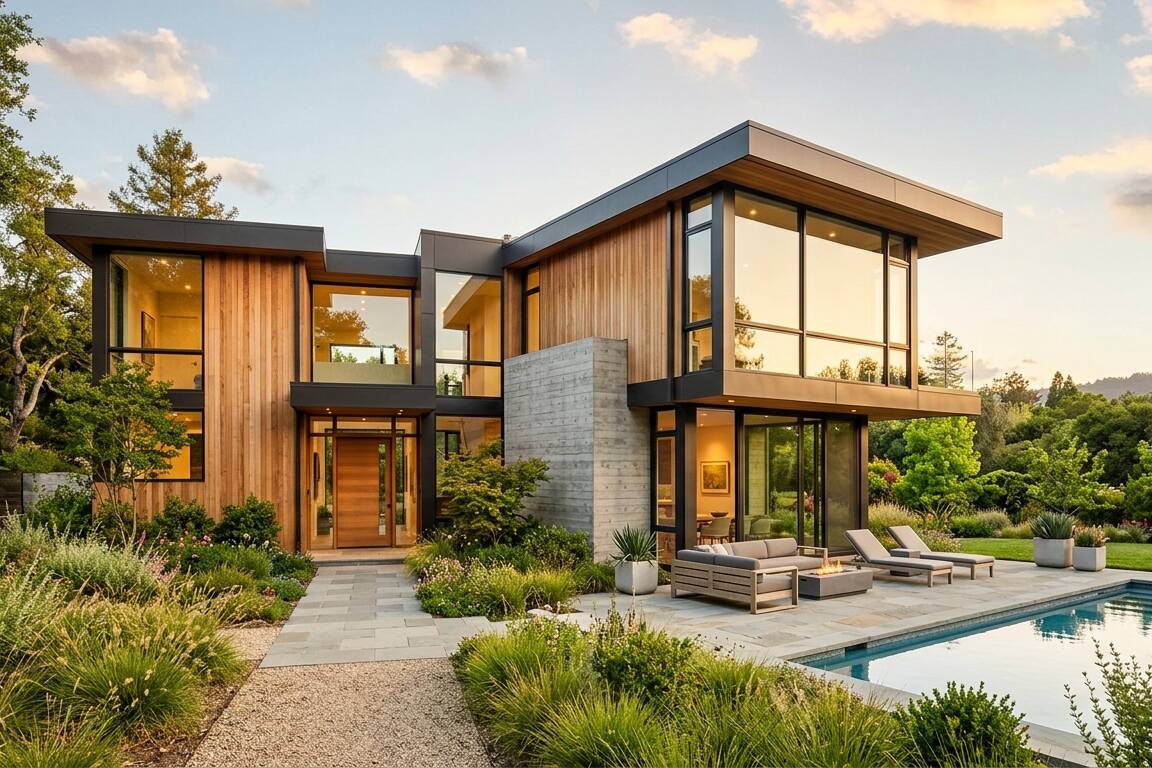
18 July 2026
Choosing an Architectural Style for Your Home
Explore essential insights for choosing architectural style home to create a…

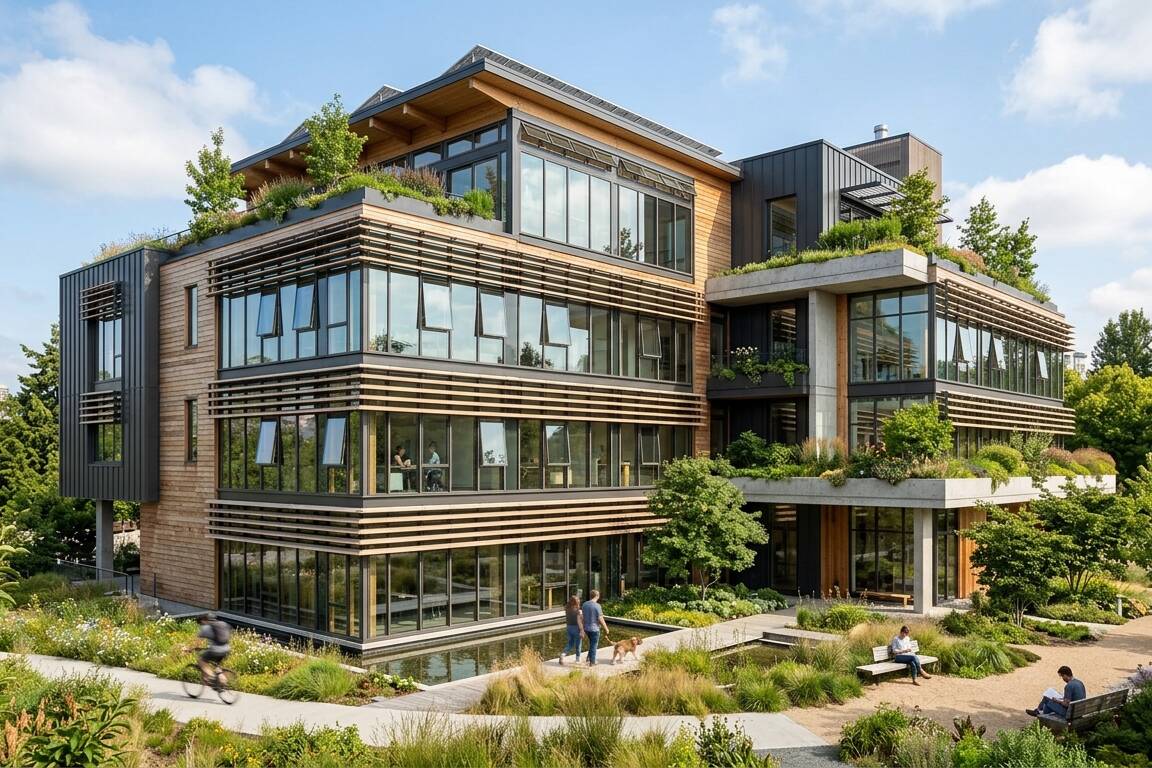
18 July 2026
Passive Design and Energy Efficiency in Buildings
Discover the benefits and strategies of passive design energy efficiency to…

17 July 2026
Professional Interior Design Services: Process and Selection Guide
Learn everything about professional interior design services: practical tips,…