

Unlocking the full potential of your property starts with exceptional interior space planning services. Whether you are a property owner, real estate investor, villa owner, or commercial business operator in Istanbul, expert space planning transforms your environment for optimal usability and aesthetics. In this guide, we dive deep into advanced strategies and insider tips on interior space planning services to help you achieve the perfect balance between functionality and design heading into 2026 — and beyond.
Compare the living and dining arrangement in AD Flat with the stair and workplace circulation in Akbaş İnşaat Headquarters. These residential and office examples make space-planning priorities visible without implying that one layout will suit a different building or increase its market value.
What Are Interior Space Planning Services?
Interior space planning services encompass the strategic organization and design of indoor environments to utilize space effectively while enhancing the overall user experience. Specialists in this field analyze how spaces function day-to-day, considering traffic flow, furniture arrangement, lighting distribution, and acoustic performance to create balanced, efficient, and beautiful settings.
These services go far beyond mere decoration. At their core, they focus on optimizing spatial layouts to boost comfort, productivity, and long-term livability. A skilled space planner will assess your property’s existing footprint, understand how occupants move through and interact with different zones, and then engineer a layout that serves every need — from quiet workspaces to open social areas.
Working with a reputed firm like AA-DO Interior Design and Architecture Studio allows you to discuss a project-specific design scope — whether for a luxury villa on the Bosphorus or a high-traffic commercial office in the heart of Istanbul’s business district. The result is an interior that feels instinctively right: spacious where it needs to breathe, intimate where it needs warmth, and always purposeful.
Professional interior space planning services transform raw floor plans into optimized, human-centered environments.
Key Benefits of Professional Interior Space Planning
Investing in professional interior space planning services delivers measurable, lasting advantages across residential and commercial properties alike. Here is what you can expect when you engage qualified experts:
Maximized Space Efficiency
Space is architecturally reallocated to improve usability without requiring costly structural expansion. Skilled planners identify underused corners, awkward corridors, and redundant zones, then repurpose them intelligently.
Improved Functional Flow
Proper planning encourages seamless movement and accessibility throughout the space. Whether it is staff navigating a busy office or guests moving through a luxury villa, good flow reduces friction and increases satisfaction.
Enhanced Aesthetics and Comfort
Harmonious design integrates style with user convenience. Space planning should test visual and practical choices together, including any trade-offs between them.
Cost-Effectiveness
Accurate planning before execution prevents expensive redesigns mid-project. Identifying layout issues on paper costs a fraction of correcting them on-site.
Usability and Property Context
Well-planned interiors appeal more strongly to buyers and tenants alike. A thoughtfully organized space signals quality and care, commanding premium prices in competitive markets.
According to the American Society of Interior Designers (ASID) , early involvement of space planners significantly improves overall project outcomes — both financially and experientially. Furthermore, the U.S.
7 Expert Tips to Maximize Interior Space Planning Services
Getting the most from your interior space planning services requires both strategic thinking and practical discipline. Here are seven practical questions to support your planning process.
1. Define Your Goals With Precision
Before a single measurement is taken, identify the primary functions and user needs of each space. Ask yourself: Who will use this area? When? How many people at peak times? What activities must it support simultaneously? Clear answers to these questions give your space planner the foundation they need to design with purpose.
2. Engage Designers Early in the Process
Early collaboration with your interior space planning team dramatically reduces costly changes later. Bringing planners in at the concept stage — rather than after construction has begun — allows for structural considerations, utility placements, and layout decisions to be made holistically rather than reactively.
3. Incorporate 3D Visualization Technology
Modern interior space planning services increasingly rely on powerful 3D visualization tools that allow clients to experience a proposed layout before a single piece of furniture is moved. Digital walkthroughs can support discussion of a proposal, but they do not replace technical documents, samples or the reviews required for approval. Explore the benefits of 3D visualization in architecture to understand why this technology is now considered essential rather than optional.
4. Optimize Natural Light and Ventilation
Plan deliberately for windows, skylights, light wells, and airflow corridors. Natural light reduces reliance on artificial lighting, improves occupant mood and wellbeing, and makes spaces feel larger and more inviting. Interior space planning services should always include a daylighting strategy as a core deliverable.
5. Create Flexible, Multi-Use Areas
Plan for the changes the occupants actually expect. A room may need to accommodate reading, video calls or occasional meetings, but those uses have different acoustic, lighting and storage requirements. Compare flexible options against their cost, complexity and maintenance needs.
6. Use a Comprehensive Planning Checklist
During every planning session, work through a structured checklist to identify and track the main requirements:
- Purpose and primary function of each room
- Required furniture, equipment, and built-ins
- Storage needs and solutions
- Accessibility requirements and circulation paths
- Lighting types and electrical outlet placement
- Acoustic considerations and sound management
- Technology and connectivity infrastructure
7. Review, Iterate, and Validate
Great interior space planning services are iterative by nature. Schedule formal review milestones at the schematic design stage, design development stage, and pre-construction stage. Each review is an opportunity to catch misalignments early and refine the plan before costs escalate.
Contact AA-DO Studio to begin a professional conversation about how interior space planning services can be fully customized to your property type, budget, and timeline.
How Technology Is Reshaping Space Planning in 2026
The landscape of interior space planning services has been fundamentally transformed by emerging technology. In 2026, the most forward-thinking studios are integrating the following innovations into their standard workflows:
Building Information Modeling (BIM)
BIM platforms allow planners to create intelligent, data-rich models of a space that go beyond visual representation. Every element — from a load-bearing wall to an electrical conduit — is embedded with real-world data, enabling clash detection, material quantification, and lifecycle analysis before construction begins.
AI-Assisted Layout Optimization
Artificial intelligence tools can now analyze thousands of potential furniture configurations and traffic flow scenarios in seconds, identifying the statistically optimal layout for a given set of user requirements. This accelerates the planning process and surfaces solutions that human designers might not immediately consider.
Augmented Reality (AR) Walkthroughs
AR technology allows clients to walk through a proposed interior using a tablet or headset while standing in the actual physical space. This immersive experience bridges the gap between a 2D floor plan and the lived reality of an interior — dramatically improving client confidence and decision-making.
Augmented reality is becoming a standard tool within modern interior space planning services, enabling real-time spatial visualization.
These technologies are not replacing the expertise of skilled space planners — they are amplifying it, allowing designers to serve clients with greater speed, accuracy, and creative ambition than ever before.
Applying the principles to a project
For an office, assess circulation, focused work, collaboration, storage, lighting and building services together. For a home, examine the relationship between living spaces, privacy, daily routines and outdoor areas. Test proposed changes against the existing structure and project brief before proceeding.
How to Choose the Right Interior Space Planning Partner
Selecting the right firm to deliver your interior space planning services is as important as the planning itself. Here is what to look for:
Portfolio depth and diversity: Look for a studio with demonstrated experience across both residential and commercial project types. Versatility signals adaptability.
Process transparency: Your planning partner should be able to clearly articulate their methodology — from initial brief to final handover — and explain how they handle revisions and unexpected challenges.
Technology integration: Ask which drawings, models or visualisations will be provided and how they support coordination and decisions. The appropriate tools depend on the project; a software label alone does not establish the quality of a service.
Client communication: Space planning is deeply collaborative. Choose a team that listens carefully, asks probing questions, and communicates progress proactively throughout the project.
Local market knowledge: For Istanbul-based projects especially, a firm with deep knowledge of local building regulations, material suppliers, and construction practices will save you time, money, and frustration.
Frequently Asked Questions
Q1: What is included in interior space planning services?
Interior space planning services typically include a spatial analysis of the existing environment, layout and furniture arrangement design, lighting plans, circulation and accessibility assessments, storage solutions, and detailed technical drawings — all focused on optimizing both usability and aesthetics for the specific occupants and use case.
Q2: How long does a typical interior space planning project take?
Timelines vary depending on the complexity and scale of the project. Initial planning and schematic design can take between two and six weeks. This is followed by design development and documentation phases, with full implementation timelines depending on construction scope. A qualified studio will provide a project-specific schedule at the outset.
Q3: Can interior space planning services add value to real estate investments?
A considered layout can support usability and presentation. Property values and rental outcomes also depend on location, building condition, market demand and costs. A space-planning proposal does not establish a financial return; evaluate it first against the intended use and project budget.
Q4: Are interior space planning services only for large projects?
Not at all. While the discipline is well-established in large commercial and luxury residential projects, the principles and benefits of professional space planning apply equally to smaller apartments, retail units, and home offices. Many studios offer scaled service packages designed specifically for compact projects.
Q5: How do interior space planning services differ from interior design?
Interior design encompasses the full visual and sensory experience of a space — including materials, colour palettes, furnishings, and decorative elements. Interior space planning services are a foundational subset of this discipline, focused specifically on the strategic organization of space: how it is divided, how people move through it, and how it functions at a practical level. The two disciplines work best when integrated from the beginning of a project.
Ready to transform your property? Explore AA-DO’s full range of interior design and architecture services or get in touch directly to discuss your project with their team of expert space planners.

Related Posts
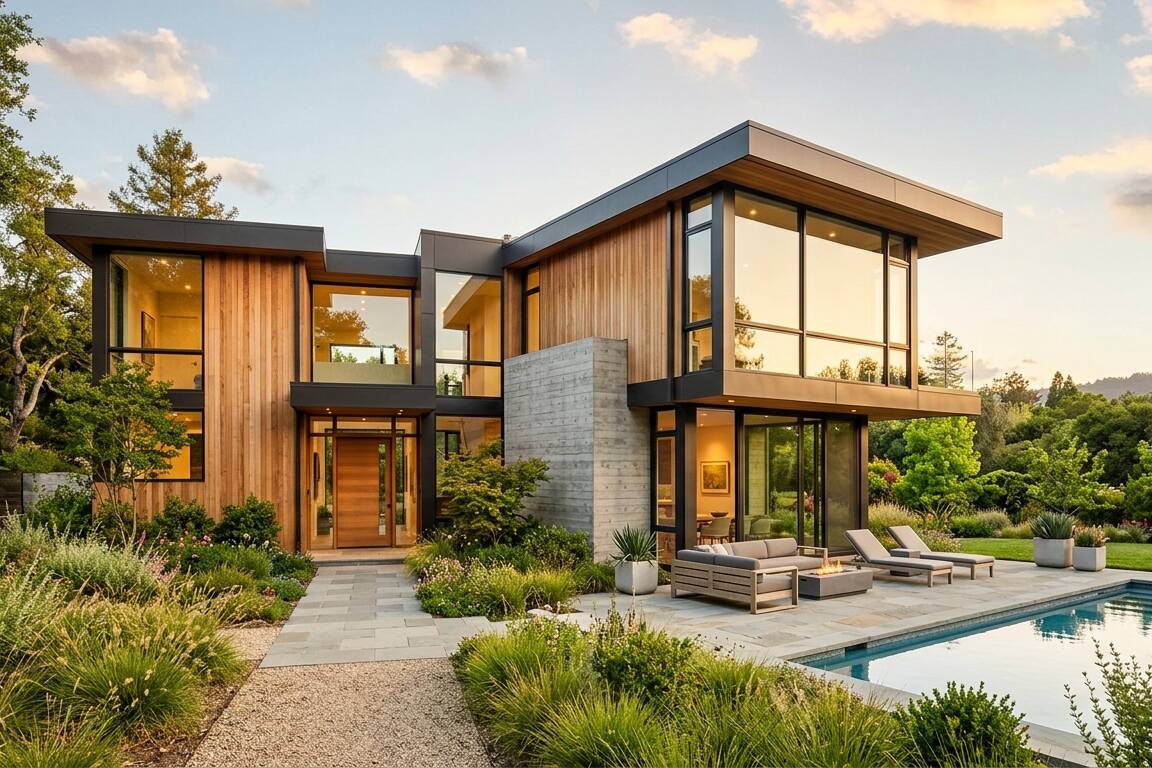
18 July 2026
Choosing an Architectural Style for Your Home
Explore essential insights for choosing architectural style home to create a…


18 July 2026
Passive Design and Energy Efficiency in Buildings
Discover the benefits and strategies of passive design energy efficiency to…

17 July 2026
Professional Interior Design Services: Process and Selection Guide
Learn everything about professional interior design services: practical tips,…