

Environmentally considered interiors begin with practical questions: what can be retained, which materials suit the use, and how can resource consumption be managed? For an Istanbul villa, apartment or commercial space, compare materials and systems by appearance, performance, budget and maintenance.
The planting and material composition in Oasis Cadde Café illustrate how natural elements can organise a café interior. The visualisations do not establish air-quality improvements, carbon savings or certification; those claims would need separate product and building-performance evidence.
Table of contents
- Environmental Priorities in Interior Design
- Top Sustainable Materials for Green Interiors
- Practical Eco-Friendly Design Strategies for Every Space
- Comparing the Best Eco-Friendly Interior Design Options: A Side-by-Side Look
- Frequently Asked Questions
Environmental Priorities in Interior Design
Sustainability includes material life, energy and water use, and indoor environmental quality. Considered choices can improve operating performance, but cost and market effects vary by property and use. LEED offers an assessment framework; choosing a particular product does not certify the project or guarantee rental performance.
Paints, adhesives and furnishings should be assessed alongside emissions and ventilation. Discuss these priorities with AA Architecture and review product information instead of relying only on marketing labels such as natural or green.
In Istanbul, choices should respond to the local climate, existing building, budget and requirements that actually apply to the work. Requirements from another market or jurisdiction should not be assumed to apply without checking.
Top Sustainable Materials for Green Interiors
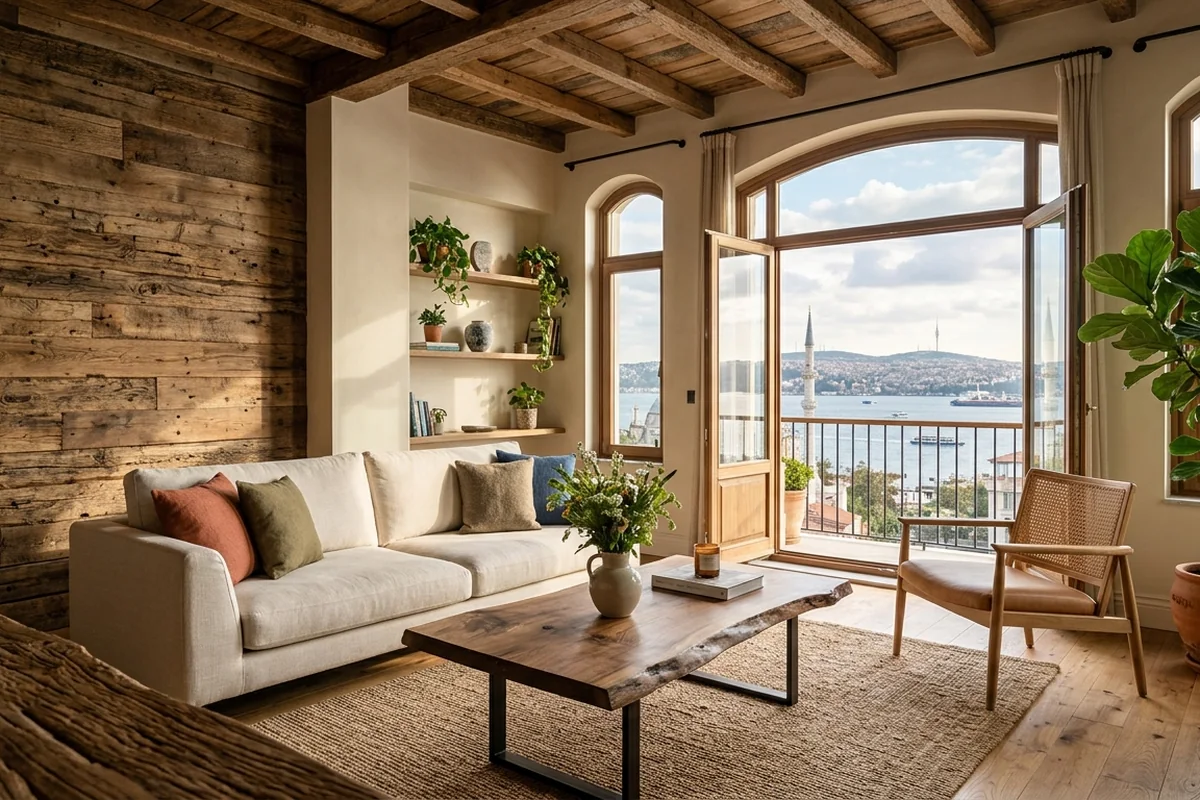
Selecting the right materials is the foundation of any credible eco-friendly interior design strategy. The best sustainable materials share three qualities: they are responsibly sourced, durable, and low in harmful emissions. Here are the most impactful categories to consider:
- Reclaimed wood: Reuses existing material and can add character to floors, panels and furniture. Check condition, previous treatments, transport and fitness for use.
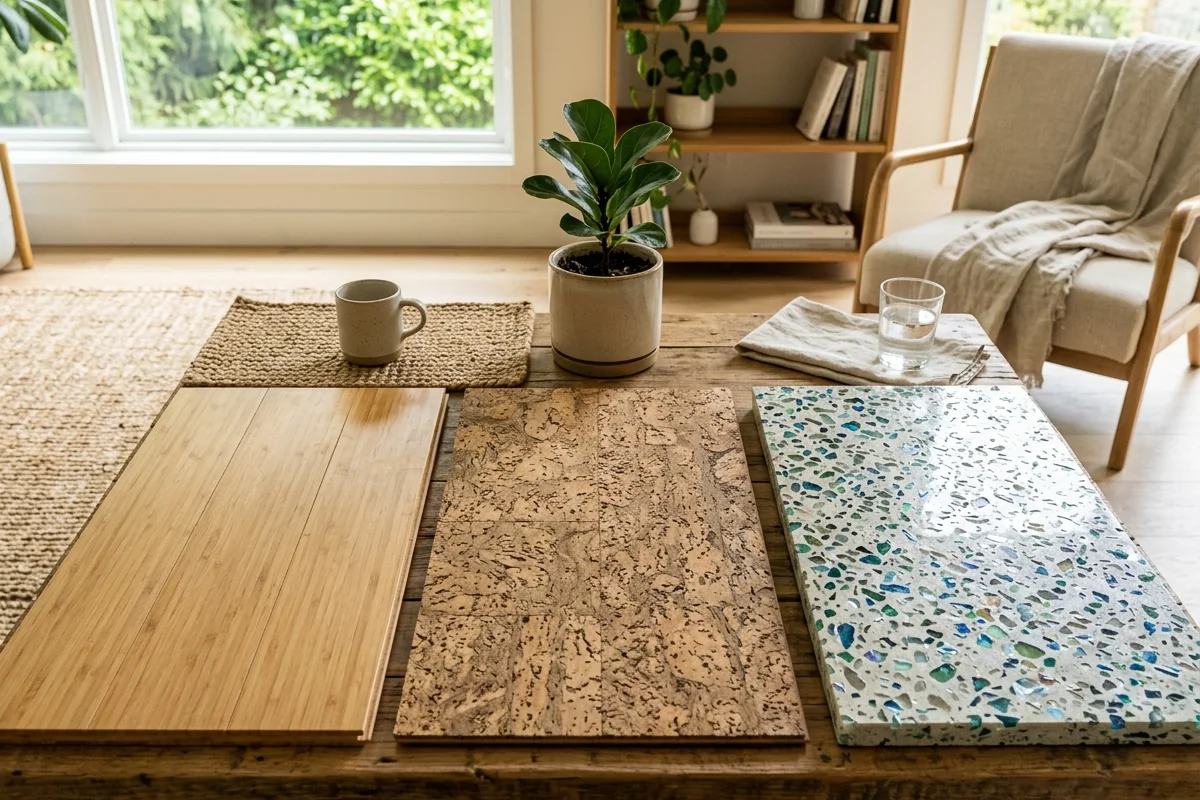
- Bamboo: A renewable-source material used in some floors and cabinetry. Hardness and performance vary by manufacture and adhesives; review the specific product.
- Recycled metal and glass: May be used in fittings, partitions and surfaces. Environmental effects depend on recycled content, manufacturing energy, transport and useful life.
- Natural stone: May offer a long service life when suited to its use. Extraction, processing, transport and maintenance all belong in the environmental comparison.
- Low-emission paints and finishes: Review VOC data, test documents and product instructions, including ventilation during application.
- Cork: Can be considered for floors and walls, with attention to moisture, indentation, finishes and the acoustic performance of the particular system.
The U.S. Environmental Protection Agency explains that products including paints, some building materials and furnishings can release volatile organic compounds. Follow product instructions and provide appropriate ventilation during use.
FSC, GREENGUARD and Cradle to Cradle documentation can help evaluate specific product attributes. Verify validity, scope and the exact product covered; these systems do not all assess the same things. Review published design examples when discussing material choices.
Practical Eco-Friendly Design Strategies for Every Space
Selecting sustainable materials is only the beginning. The most effective eco-friendly interior design options combine smart material choices with energy-efficient systems, biophilic principles, and thoughtful space planning. Here is how to apply these strategies across different property types:
Compare suitable LED lighting with existing systems by power use, light quality, service life and maintenance. Sensors, dimming and zoned controls may reduce unnecessary operation. Estimate savings from actual loads and operating hours rather than assigning a fixed percentage or lifespan ratio to every product.
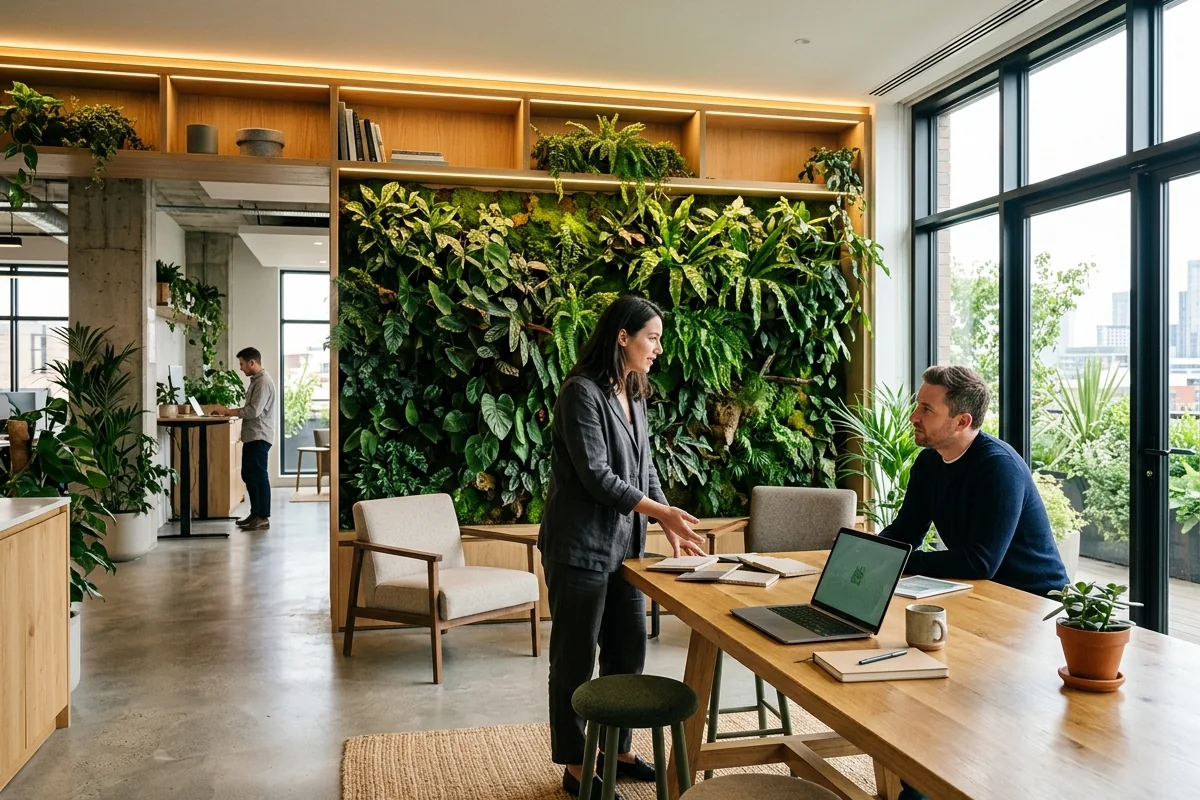
Plants, natural textures and views can support visual character and comfort. Select species for the available light, watering and maintenance. Indoor planting does not replace ventilation or removal of pollution sources, and this design option should not be presented as a guaranteed health outcome.
Assess insulation, glazing, frames and thermal bridges as a system. Balance seasonal conditions, shading, ventilation and orientation in Istanbul. The appropriate number of glazing layers depends on the design; more layers are not automatically better.
Here are additional practical strategies to implement immediately:
- Specify water-efficient taps and toilets with documented flow rates appropriate to the project.
- Choose furniture made from FSC-certified wood or recycled materials and designed for disassembly and repair.
- Use modular design layouts that allow spaces to adapt over time, reducing the need for full renovations.
- Specify natural fiber textiles — organic cotton, linen, wool, and hemp — for upholstery, curtains, and rugs.
- Integrate renewable energy sources such as solar panels or solar thermal systems wherever the building envelope allows.
These options can be considered from site planning through finishes. See villa architectural design in Istanbul for related project considerations.
Comparing the Best Eco-Friendly Interior Design Options: A Side-by-Side Look
Choosing between different eco-friendly interior design options can feel overwhelming. The table below compares the most popular sustainable choices across key performance dimensions, helping you prioritize based on your project type and budget.
| Eco-Friendly Option | Cost Level | Durability | Environmental Impact | Best For |
|---|---|---|---|---|
| Reclaimed Wood Flooring | Compare current project quotations | Depends on product and use | Assess source, manufacturing, operation and end of life | Residential, Hospitality |
| Bamboo Flooring | Compare current project quotations | Depends on product and use | Assess source, manufacturing, operation and end of life | Residential, Commercial |
| Low-VOC Paints | Compare current project quotations | Depends on product and use | Assess source, manufacturing, operation and end of life | All Property Types |
| Living Walls / Biophilic Features | Compare current project quotations | Depends on product and use | Assess source, manufacturing, operation and end of life | Commercial, Luxury Residential |
| LED Smart Lighting Systems | Compare current project quotations | Depends on product and use | Assess source, manufacturing, operation and end of life | All Property Types |
| Recycled Glass Surfaces | Compare current project quotations | Depends on product and use | Assess source, manufacturing, operation and end of life | Kitchens, Bathrooms, Offices |
| Cork Flooring | Compare current project quotations | Depends on product and use | Assess source, manufacturing, operation and end of life | Bedrooms, Home Offices |
| Solar-Integrated Design | Compare current project quotations | Depends on product and use | Assess source, manufacturing, operation and end of life | Villas, Commercial Buildings |
Some changes, such as lighting controls or choosing an appropriate paint during renovation, may have a limited scope. Living walls and solar systems need fuller cost and operational assessment. Compare purchase, installation, operation and maintenance without assuming a fixed payback or increase in property value.
In a commercial project, coordinate systems to understand their combined effect on use and maintenance. The commercial architecture guide discusses considerations for selecting the required team and scope.
For a home renovation, phased work may be appropriate. Identify useful interventions from the existing condition, then sequence lighting, insulation, finishes and fixtures to avoid unnecessary rework. See residential renovation in Istanbul for related planning topics.
Verify product specifications and certificates when purchasing, because availability and documentation can change. Record selections and maintenance information to support later repair or replacement.
Frequently Asked Questions
Q1: What are the most cost-effective eco-friendly interior design options for a tight budget?
Begin by assessing existing elements and repairing what can be retained. Identify major consumption sources and renovation needs. Depending on the space, lighting controls, water-efficient fixtures and suitable coatings may be practical first steps.
Q2: Do eco-friendly interiors require more maintenance than conventional designs?
Maintenance depends on the product and system. Plants need regular care, while floors, finishes and lighting vary with specification and use. Request a clear maintenance plan before selection.
Q3: How do eco-friendly interior design options affect property value in Istanbul?
Some choices may improve performance and user appeal, but market value depends on many factors. Do not assume a specific price increase or investment return without property-specific market assessment.

Related Posts
High-End Interior Design: 7 Illustrative Scenarios
Explore 7 client success stories in high-end interior design and discover how…

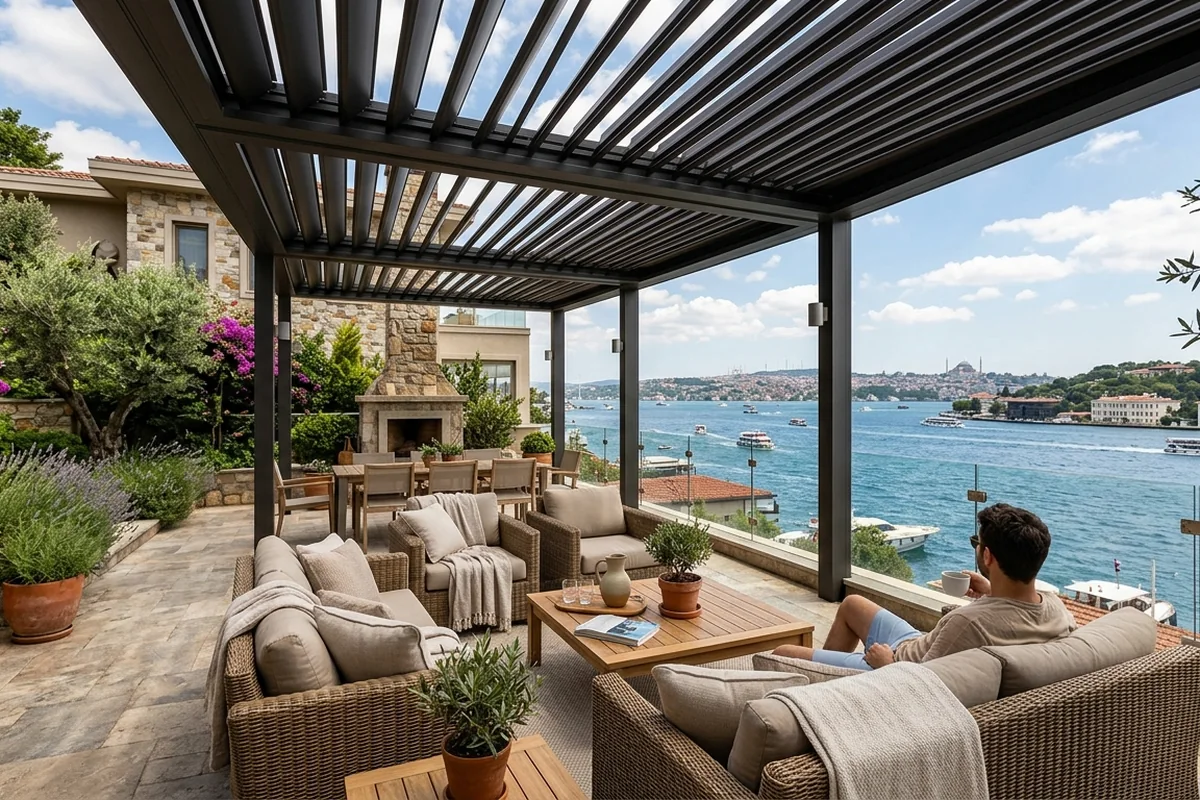
Outdoor Living Spaces for Istanbul’s Climate: 7 Strategies
Discover 7 expert tips for designing outdoor living spaces for Istanbul's…
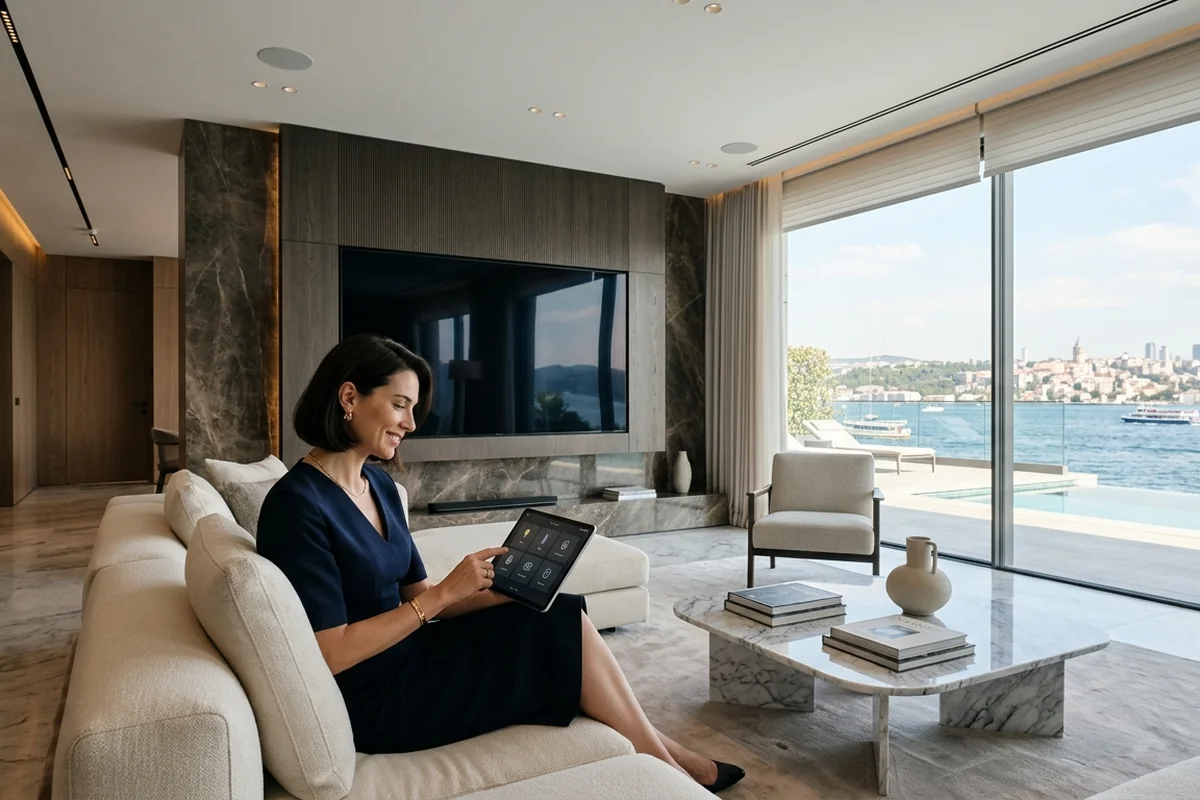
Smart Home Technology for Luxury Interiors: 10 Tips
Discover how smart home technology for luxury interiors elevates comfort,…