

The following seven scenarios illustrate how high-end interior design decisions can respond to different needs in Istanbul. They are hypothetical teaching examples, not documented AA Architecture commissions, client testimonials or investment case studies. Each explores a design challenge, a possible response and criteria for evaluating the result. For verified work, consult the studio’s project portfolio.
For published studio work to compare with these hypothetical scenarios, read A.H Villa and Brew Land Café. Their records identify actual project subjects and design scopes; they should not be confused with the fictional clients, outcomes or settings used in this teaching article.
What Design Scenarios Can Teach Us
A clear brief helps a design team understand a client’s daily life, priorities and constraints. At AA Design Office, discussion of the brief is a starting point for collaboration. Hypothetical scenarios can help explain the process, while actual capability should be assessed through documented projects and references.
Behind a finished interior are material research, repeated plan studies and coordination among architects, engineers and craftspeople. A panoramic apartment, for example, may require careful decisions about glazing, joinery and furniture placement. These choices can support use and appearance without implying any particular resale gain.
Reviewing comparable designs can help clients ask specific questions and set priorities. Visit our About page for information about the studio and its approach.
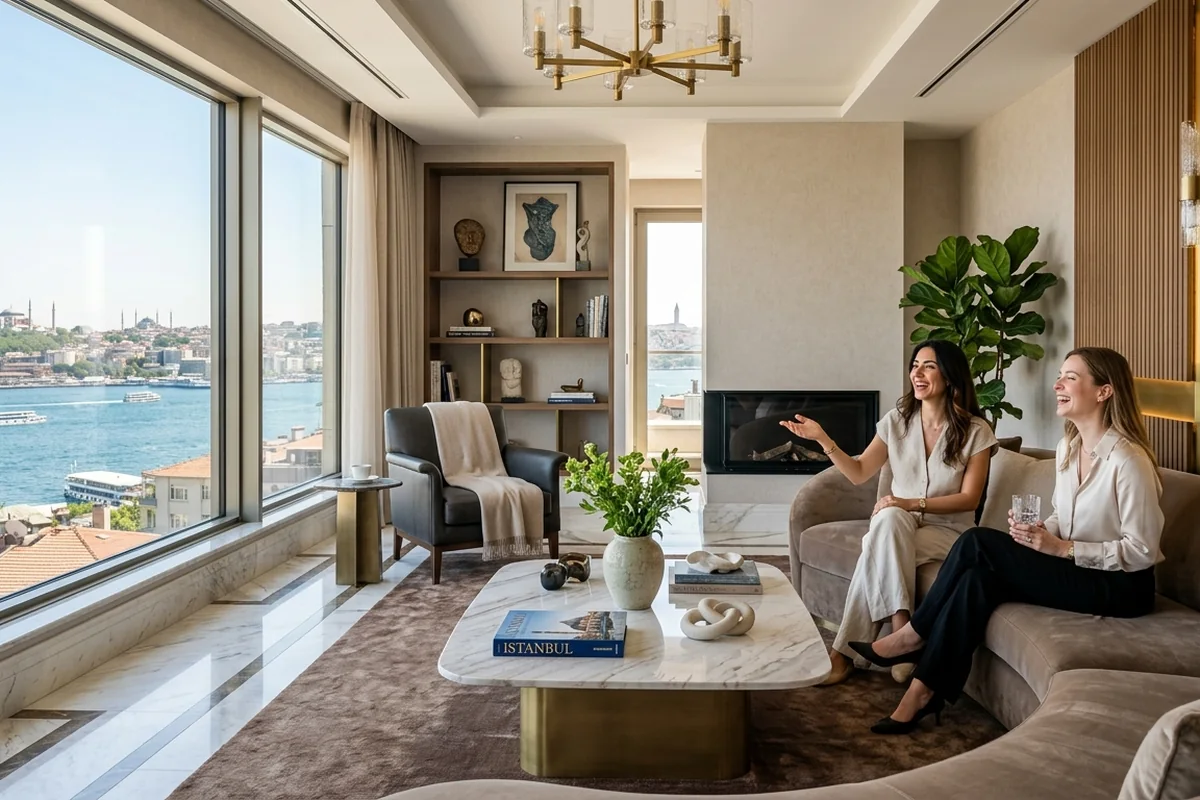
7 Illustrative High-End Interior Design Scenarios in Istanbul
These hypothetical examples span private homes, hospitality, workplaces and retail. District names provide context only; the examples do not claim completed projects or measured outcomes.
1. Levent Penthouse Scenario — Framing the Views
Imagine a shell apartment in Levent with wide city views. An open-plan living concept, carefully assessed full-height glazing, bespoke joinery and a restrained palette could improve daylight and sightlines. Evaluate the proposal through furniture layouts, glare analysis and usability, rather than a promised resale premium.
2. Bebek Villa Scenario — Heritage and Contemporary Use
Consider an older villa whose owner wants contemporary comfort while retaining valuable character. Original parquet and ceiling details could be assessed for conservation, with compatible furniture and discreet technology added. Any protected features and structural interventions require the appropriate specialist review and permissions.
3. Nişantaşı Boutique Hotel Scenario — A Coherent Guest Experience
A small hotel might seek a distinctive identity through Ottoman textile references reinterpreted with contemporary geometry. A coordinated palette could connect reception, rooms and corridors. Test the design against housekeeping, durability, accessibility and the guest journey; it does not establish a particular occupancy rate.
4. Maslak Office Scenario — Supporting Different Work Modes
A technology company planning an office in Maslak could combine planted areas, collaboration zones and quiet rooms with a consistent brand palette. Evaluate acoustics, lighting, circulation and user feedback after occupation. No employee-satisfaction improvement is assumed. For related guidance, read Office Interior Design Istanbul.
5. Sarıyer Waterfront Home Scenario — Managing a Constrained Programme
A relocating family might need a clear schedule for a waterfront home. A coordinated delivery plan would identify design approvals, long-lead items and specialist contractor responsibilities. Agree realistic milestones and contingency with the client; this scenario does not claim a fixed delivery time, cost outcome or testimonial.
6. Beyoğlu Retail Scenario — Combining Display and Experience
A fashion store could use a sculptural ceiling, adaptable display systems and a private lounge that also accommodates small events. Assess visibility, circulation, stock handling and accessibility. Sales also depend on product, pricing, location and operation, so the design should not be credited with an invented revenue figure.
7. Ataşehir Residential Development Scenario — Coordinating Shared Standards
For a residential development, model apartments and common areas could share a coherent material and lighting approach. A sample apartment can help communicate actual specifications, but should not imply finishes or features excluded from the sale. Examples from ArchDaily can inspire discussion; they are not evidence of a particular conversion or value increase for this scenario.
Design Decisions to Evaluate in Every Proposal
These scenarios highlight deliberate choices that can be discussed in any design proposal. Assess them against the brief, drawings, samples, budget and maintenance requirements.
Five useful decision areas are:
- Material selection: Compare stone, timber, metals and manufactured alternatives for appearance, durability, maintenance and suitability. No material category is automatically superior in every application.
- Space planning: Examine circulation, proportions and everyday tasks before selecting furniture. A generous feel can come from a clear layout as well as floor area.
- Lighting: Coordinate ambient, task and accent layers to support activities and atmosphere. Test glare, controls and maintenance access rather than relying only on attractive renders.
- Technology: Consider cable routes, controls and motorised shading early when required. Early coordination can reduce late changes and protect visual clarity.
- Sustainability: Compare low-emission finishes, efficient fittings and responsibly sourced materials using product evidence. The U.S. Green Building Council’s LEED framework can provide a reference, but the scenarios do not claim certification.
Client participation through questions, sample review and design meetings helps clarify decisions. Agree a level of involvement and record approvals. Our guide to Steps in Project Planning and Execution explains how project stages can be organised.
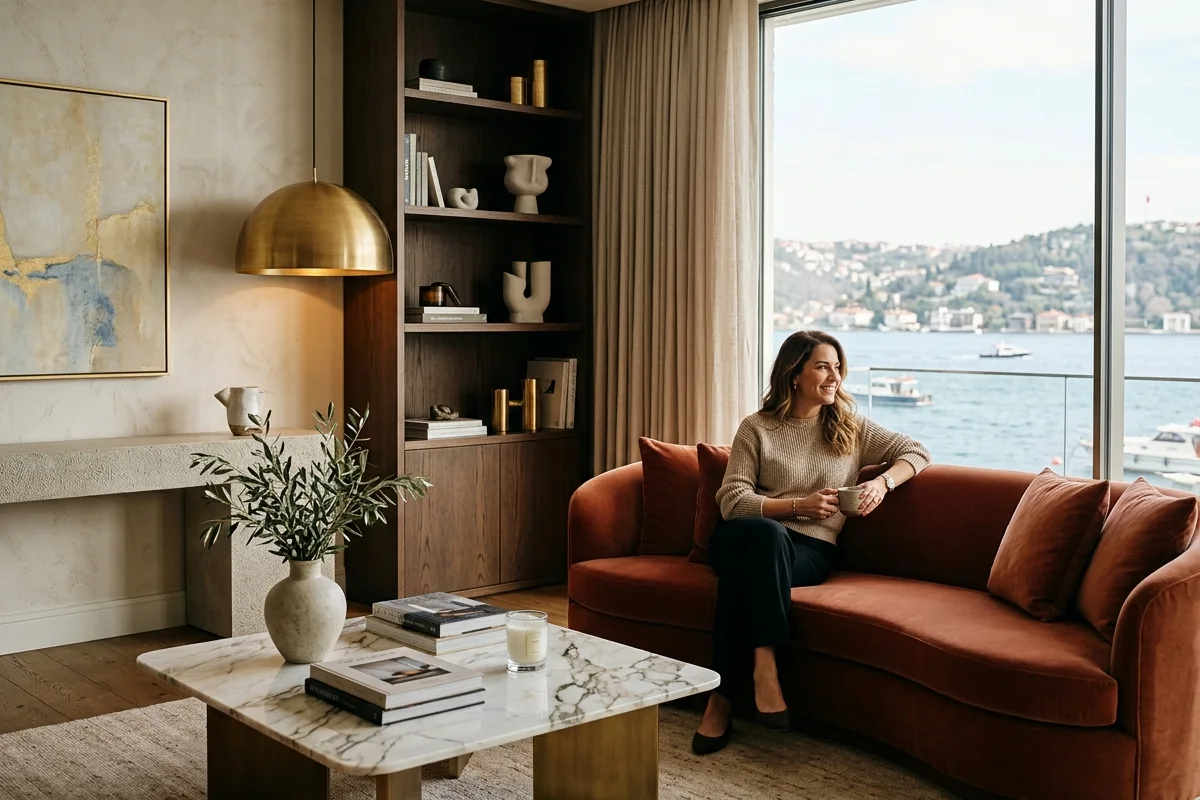
Three-dimensional visualisation can help clients understand proportion, materials and lighting before work begins. It supports discussion and comparison, but does not replace technical drawings or guarantee fewer changes. Review renders alongside specifications and samples.
How High-End Interior Design Compares Across Project Types
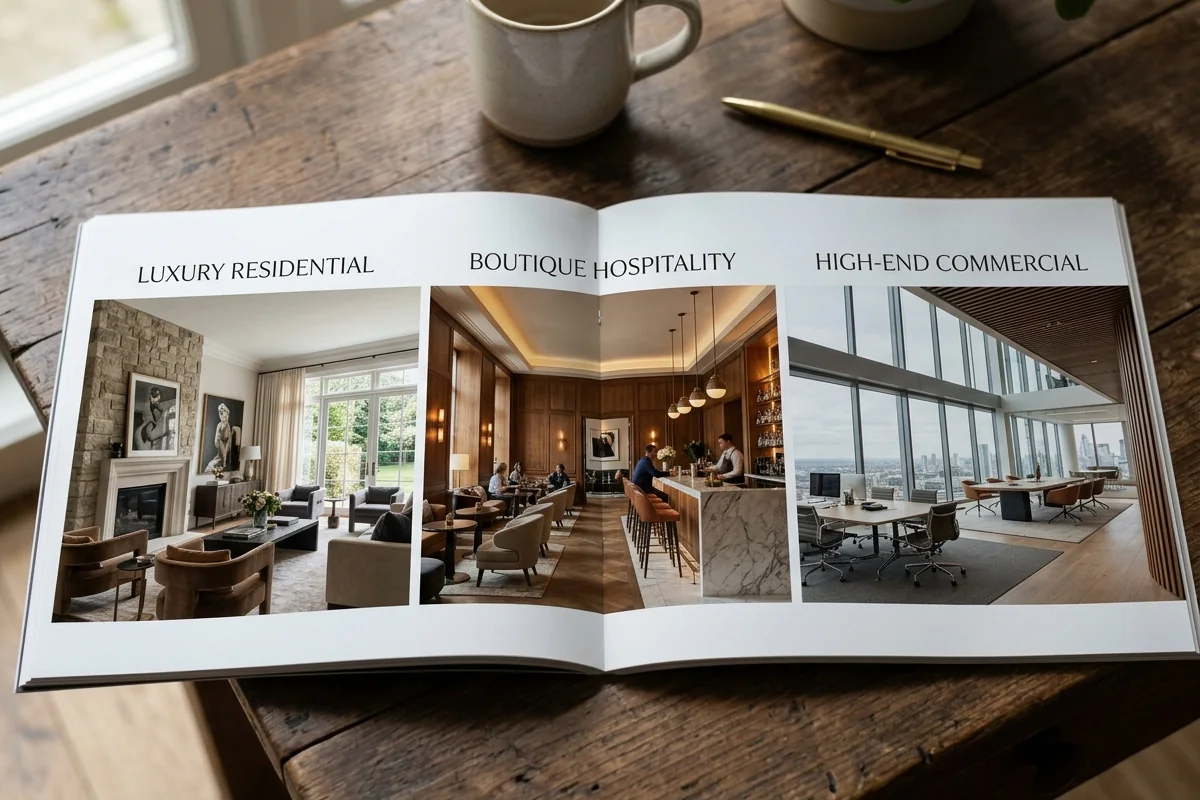
Expectations differ with property type. The following comparison describes planning priorities and possible evaluation criteria, not typical delivery promises or financial returns.
| Project Type | Programme basis | Primary Client Goal | Key Design Challenge | Possible evaluation criterion |
|---|---|---|---|---|
| Luxury Residential Villa | Site- and scope-specific programme | Personal lifestyle elevation | Balancing grandeur with intimacy | Comfort, usability and maintenance |
| Boutique Hotel / Hospitality | Site- and scope-specific programme | Brand differentiation & revenue | Creating a cohesive guest narrative | Guest experience and operational fit |
| Corporate / Commercial Office | Site- and scope-specific programme | Talent attraction & productivity | Balancing brand identity with function | Occupant feedback and space performance |
| Luxury Retail Flagship | Site- and scope-specific programme | Footfall and conversion | Designing for experience and commerce | Customer journey and operational performance |
Different uses need different success criteria. A villa owner may prioritise daily comfort; a retailer may track customer movement and business performance alongside factors outside design. Agree how outcomes will be assessed without attributing every result to the interior.
Dezeen’s interior design coverage offers examples of varied project approaches. Use references to discuss goals, but ask a design studio for evidence of its own work rather than treating editorial coverage as proof of performance.
For clients considering a villa project specifically, our detailed guide on Villa Architectural Design Istanbul explores the unique considerations that shape luxury residential outcomes in this city. And if you are evaluating design partners, our article on How to Choose an Architectural Design Firm provides a practical framework for making that critical decision.
Business resources such as Harvard Business School may help frame questions about customer experience. A specific research finding should only be cited when its source and relevance are clear. In an interior brief, consider the feeling of a space alongside technical performance, access, budget and maintenance.
Frequently Asked Questions
Q1: How long does a high-end interior design project typically take in Istanbul?
The programme depends on survey findings, design scope, permissions, procurement and construction complexity. Establish milestones and decision deadlines after assessing the project. Coordination and prompt decisions can help, but no universal duration or guaranteed delivery time applies.
Q2: What budget should I expect for a high-end interior design project in Istanbul?
Budget depends on area, existing condition, specification, access and bespoke work. Commercial and hospitality requirements add operational considerations. Obtain a current itemised estimate and define what is included, excluded and allowed for contingency; generic square-metre prices are not a reliable quotation.
Q3: How can genuine client case studies help me choose a studio?
Verified case studies can demonstrate a studio’s process and capability. Look for comparable scope, clear photographs, documented responsibilities and evidence supporting any claimed results. Ask about difficulties and how they were resolved. The scenarios above are illustrative, not proof of completed work; review our Projects page for portfolio entries.
Q4: Can high-end interior design genuinely increase property value in Istanbul?
Well-considered design may support presentation and usability, but no resale premium or investment return can be guaranteed. Price also depends on location, building condition, market conditions and buyer preferences. Assess value claims using relevant independent evidence rather than unsupported percentages.

Related Posts
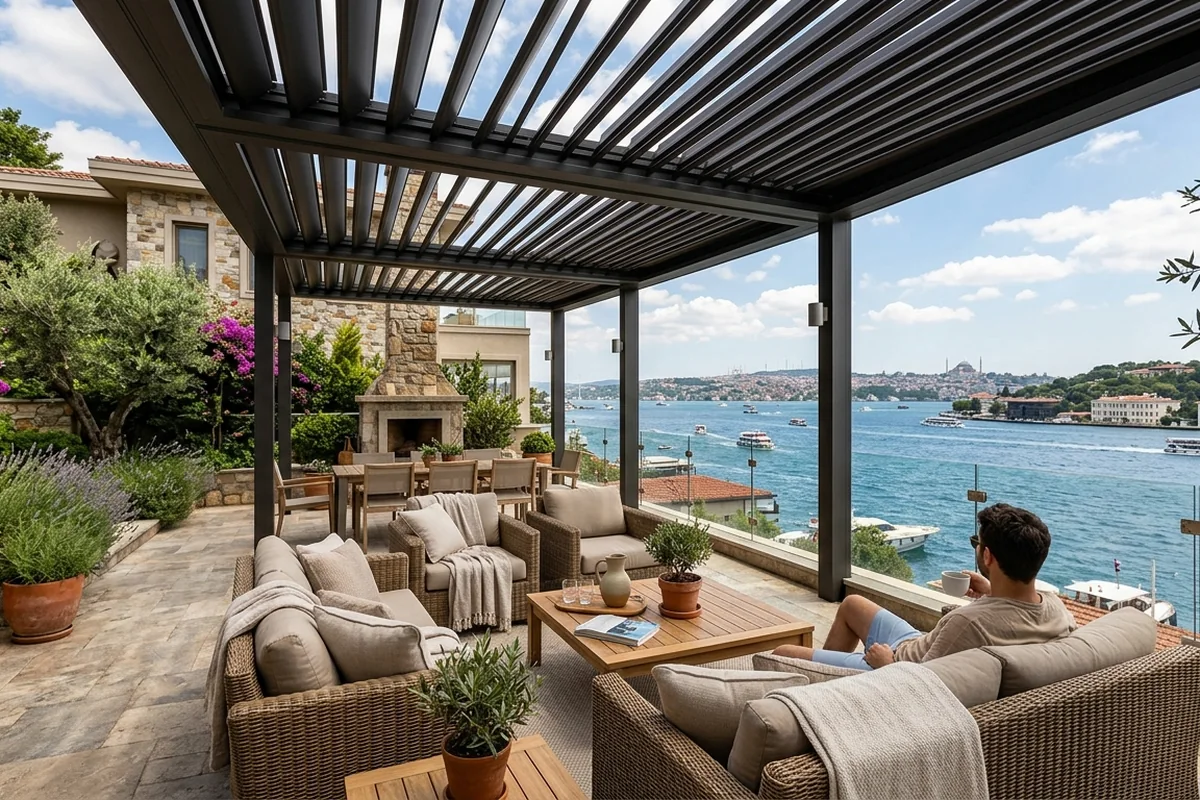
Outdoor Living Spaces for Istanbul’s Climate: 7 Strategies
Discover 7 expert tips for designing outdoor living spaces for Istanbul's…

Smart Home Technology for Luxury Interiors: 10 Tips
Discover how smart home technology for luxury interiors elevates comfort,…
Creating a Cohesive Home Design: Colours, Materials and Rooms
Master creating a cohesive design theme for your home with 10 expert tips that…