

A cohesive home has clear relationships between rooms while allowing different functions and personal preferences. It does not require matching furniture sets: colour, materials, proportions and lighting can connect a villa or apartment. The same principles can also be adapted to commercial spaces.
The room collections in Dahlan Villa and Merter Platform Sample Flat demonstrate how a shared palette can support different activities without making every room identical. Compare repeated materials and individual details to define the balance of continuity and variation in your own brief.
Table of contents
- Creating a Cohesive Design Theme for Your Home: Where to Begin
- Choosing Your Color Palette, Materials, and Textures
- Practical Tips for Maintaining Design Consistency Room by Room
- Comparing Popular Design Themes: Which Style Suits Your Home?
- Frequently Asked Questions
Creating a Cohesive Design Theme for Your Home: Where to Begin
Every successful interior starts with a clear vision. Before you buy a single piece of furniture or pick a paint color, you need to define your design direction. Think of this as your home’s “design brief” — the same document a professional studio uses before touching a single wall.
Start by gathering inspiration. Browse architecture publications, save images that excite you, and look for patterns in what you love. You will quickly notice recurring colors, materials, and moods. That pattern is your theme. If you want professional guidance at this stage, explore the How to Choose an Architectural Design Firm resource to understand what a qualified design partner brings to the table.
Once you have your inspiration board, define three anchor elements: a dominant color, a signature material, and a mood word (for example, “warm,” “airy,” or “bold”). Every subsequent decision should pass through these three filters. This simple discipline prevents the most common mistake homeowners make — accumulating beautiful pieces that never quite work together.
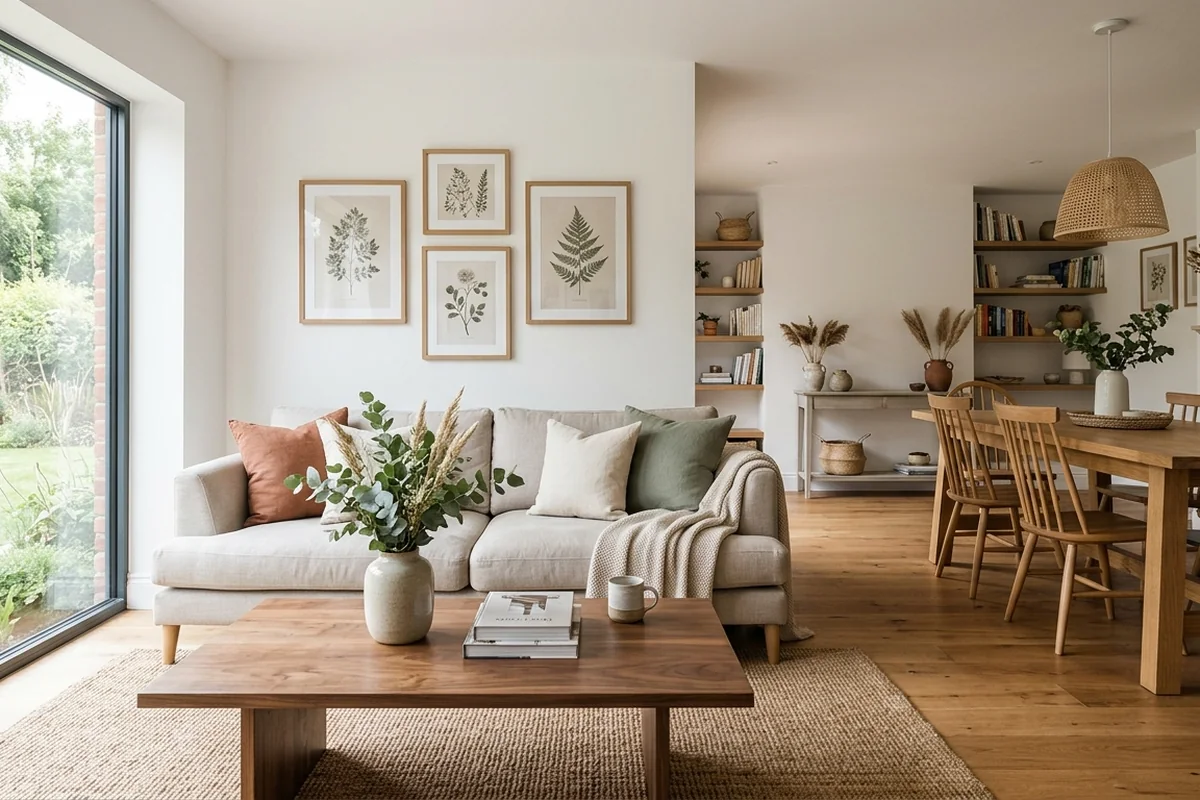
A design discussion can turn references into a material board and room plan. At AA Architecture, the scope and deliverables can be agreed around the property and your priorities. Early planning helps identify decisions that require technical or supplier input.
Choosing Your Color Palette, Materials, and Textures
A defined palette offers a useful starting point. The 60–30–10 approach is sometimes used as a rough balance between dominant, secondary and accent colours. It is an optional design heuristic, not a ratio that must be measured precisely or followed in every room.
Here are the core elements to define when building your palette and material story:
- Dominant color: The color that covers the largest surfaces — walls, large rugs, or upholstery. Choose a tone you can live with long-term.
- Secondary color: Used on furniture, cabinetry, or architectural details. It complements the dominant color without competing.
- Accent color: Reserved for artwork, cushions, and decorative objects. This is where personality shines.
- Primary material: Stone, wood, concrete, or metal — pick one and let it lead. Repeat it in multiple rooms at different scales.
- Texture layer: Linen, velvet, rattan, or marble. Texture adds depth and prevents a palette from feeling flat.
- Finish relationships: Compare matte, satin and gloss surfaces. They can be mixed deliberately when reflections and neighbouring elements are considered.
A limited, related group of materials can be easier to coordinate than many disconnected choices. Published architecture projects offer references for these relationships; no fixed material count establishes quality or timelessness.
Natural light also plays a crucial role in how colors and materials read in a space. Test your palette samples at different times of day before committing. A warm beige in morning light can look cold and grey by evening. Understanding your home’s light conditions is as important as the palette itself.
Practical Tips for Maintaining Design Consistency Room by Room
Cohesion does not mean every room looks identical. It means every room belongs to the same family. The kitchen can feel different from the bedroom — but both should share DNA. Here is how to achieve that balance in practice.
Repeat key elements, not entire schemes. If your living room features white oak flooring and brushed brass hardware, carry those same details into the hallway and bedroom. The materials change in proportion, but their presence ties the home together.
Different styles can coexist when a shared colour, scale or material explains their relationship. A traditional chest can work with contemporary seating; historical style labels alone do not determine whether a combination succeeds.
Control your artwork and accessories. Many homeowners underestimate how much decorative clutter disrupts cohesion. Edit ruthlessly. A few well-chosen pieces create a stronger statement than many competing ones.
Additional practical strategies include:
- Use continuous or related flooring where appropriate, while respecting wet-area performance, slip resistance and movement joints. Do not force one product into unsuitable conditions.
- Choose compatible metal finishes for hardware and fittings. A deliberate, repeated mixture can also work.
- Repeat related plant or pot forms where light and maintenance conditions suit each room.
- Use curtains or blinds in the same fabric family across different rooms, varying only the color within your established palette.
- Commission custom joinery that uses the same wood species or finish in multiple rooms — this is one of the most powerful cohesion tools available.
For larger homes, review how materials, circulation and garden connections relate across the project. The modern villa interior design guide discusses these choices. Consistency should support living needs rather than make every room identical.
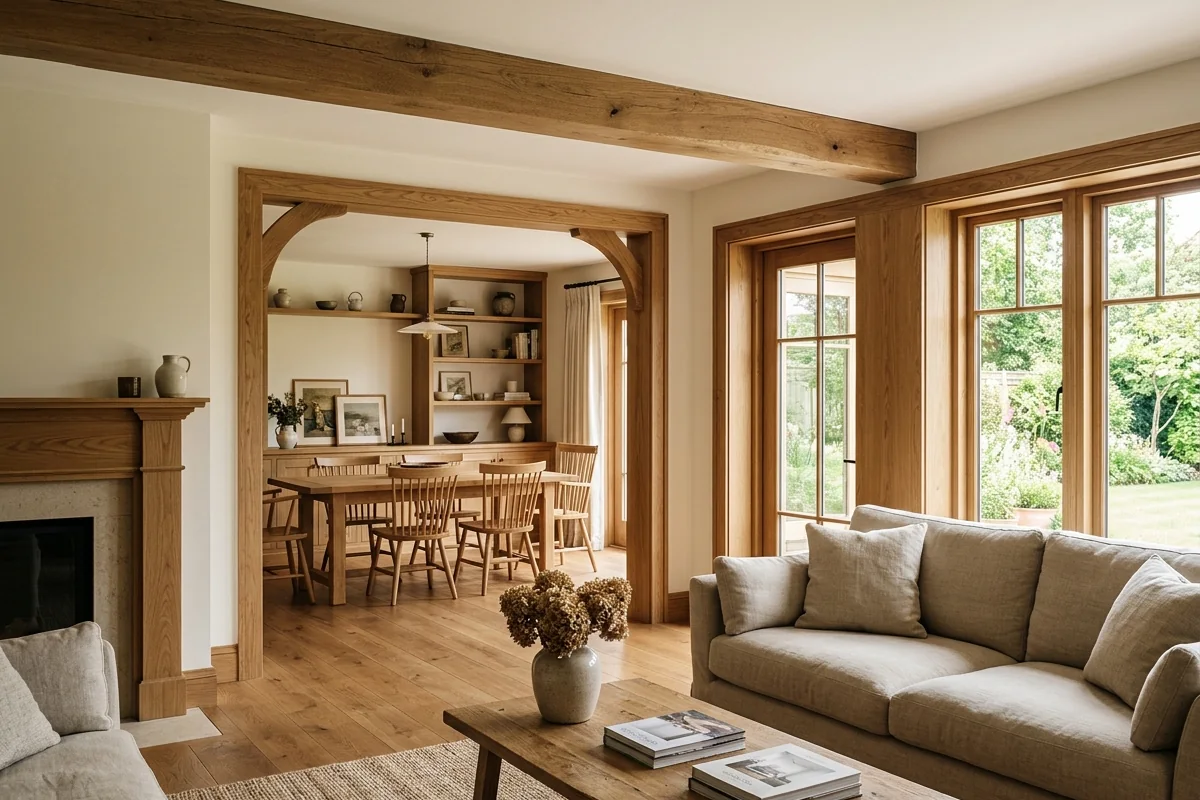
It also helps to think vertically, not just horizontally. Ceiling treatments, cornice profiles, and wall paneling all contribute to the design language of a room. When these architectural details share a common vocabulary — the same profile, the same finish, the same proportional logic — the home reads as a single, unified work of architecture. Explore the Projects section of our portfolio to see how this approach transforms real spaces.
Published interiors such as those on Dezeen provide references for architectural detailing. Compare practicality, maintenance and service life alongside appearance rather than inferring satisfaction or durability from a photograph.
Comparing Popular Design Themes: Which Style Suits Your Home?
Choosing the right design theme is one of the most personal decisions in the entire process. To help you navigate the most popular options, we have compared five widely chosen styles across the key criteria that matter most to property owners.
| Design Theme | Key Materials | Color Palette | Best For | Use and maintenance considerations |
|---|---|---|---|---|
| Contemporary Minimalist | Concrete, glass, white oak | Neutral whites, greys, black | Modern apartments, urban homes | Cleanable finishes and sufficient storage |
| Mediterranean Warm | Terracotta, stone, plaster | Earthy ochres, warm whites, deep blues | Villas, coastal properties | Moisture, climate suitability and care instructions |
| Transitional Classic | Marble, solid wood, linen | Soft creams, warm taupes, navy | Family homes, luxury residences | Stone, textile and surface care |
| Industrial Loft | Exposed brick, steel, reclaimed wood | Charcoal, rust, raw timber tones | Converted spaces, commercial-residential | Acoustics, safety, cleaning and existing material condition |
| Biophilic Modern | Natural stone, rattan, live plants | Forest greens, terracotta, sand | Wellness-focused homes, retreats | Suitable plant lighting, routine care and material performance |
These approaches are starting points, not closed categories. When combining two, define what each contributes: contemporary proportions with warm stone, for example. Test the relationship on a shared board before distributing purchases among rooms.
For commercial property owners who want their business spaces to carry the same design intelligence as their homes, our Commercial Architecture Firms in Istanbul article explores how professional studios approach brand-aligned interior design at scale.
Environmental considerations can form part of the design language: retain and repair useful furniture and compare material sourcing, life and maintenance. Local origin alone does not establish lower environmental impact. Passive cooling depends on climate and building conditions. The LEED framework provides assessment context; using its principles does not confer certification.
Mood boards, material samples, plans and 3D visualization help test relationships before implementation. Agree these outputs within the design service scope. Samples, measurements and technical reviews remain necessary because a visualization does not resolve every construction detail.
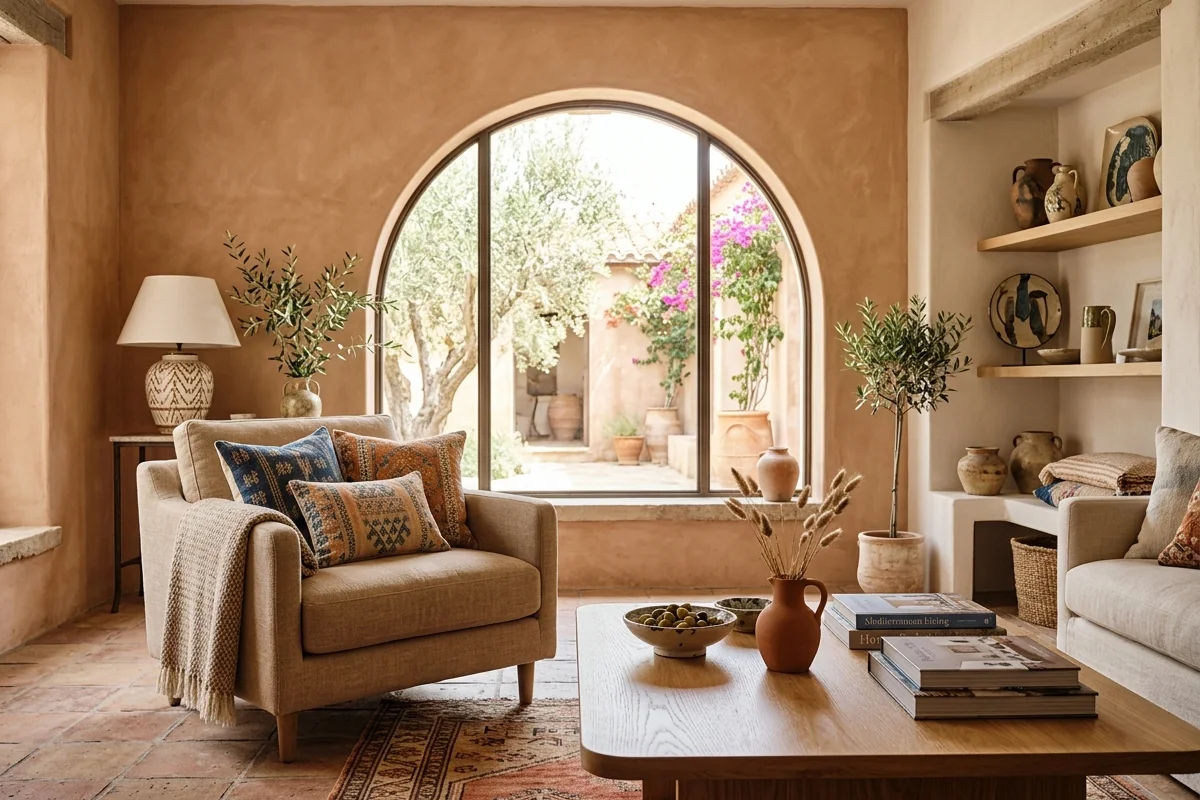
A connected home leaves room for personal history: retained objects, books, art and changing needs. A clear material and colour reference helps accommodate these details while maintaining relationships between rooms.
Frequently Asked Questions
Q1: How do I start creating a cohesive design theme for my home if I already have existing furniture?
Start by auditing what you own and identifying the pieces you genuinely love. These become your anchors. From there, build your palette and material story around those anchor pieces, and gradually replace items that conflict with the theme. You do not need to start from scratch — you need to edit with intention. A professional designer can help you assess which existing pieces are worth keeping and which are holding your space back.
Q2: How many colors should I use when creating a cohesive design theme for my home?
A starting palette of three to five colours, or a dominant-secondary-accent approach, may help organize choices. These are not mandatory counts. Vary tones and introduce a room-specific colour while retaining material or detail connections with the rest of the home.
Q3: Can creating a cohesive design theme for my home increase its resale value?
A coherent presentation may help people understand a home, but its price depends on location, market conditions, building condition and other factors. A consistent style alone does not establish a guaranteed increase or return on investment.
Q4: Should I hire an interior designer or can I create a cohesive theme myself?
You can manage a simple project with time and clear priorities. Professional support is useful when renovation, joinery, lighting and procurement depend on one another or many alternatives need testing. Define responsibilities, outputs and budget before agreeing the service.

Related Posts
High-End Interior Design: 7 Illustrative Scenarios
Explore 7 client success stories in high-end interior design and discover how…

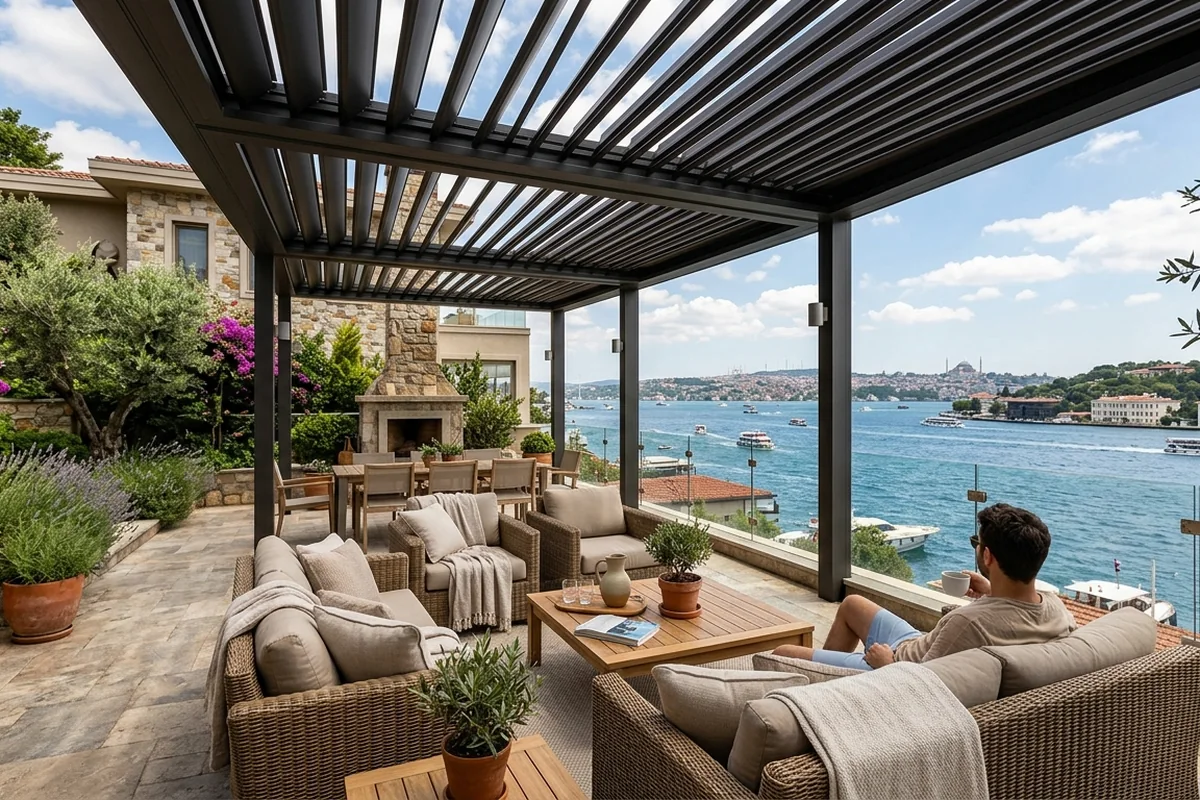
Outdoor Living Spaces for Istanbul’s Climate: 7 Strategies
Discover 7 expert tips for designing outdoor living spaces for Istanbul's…
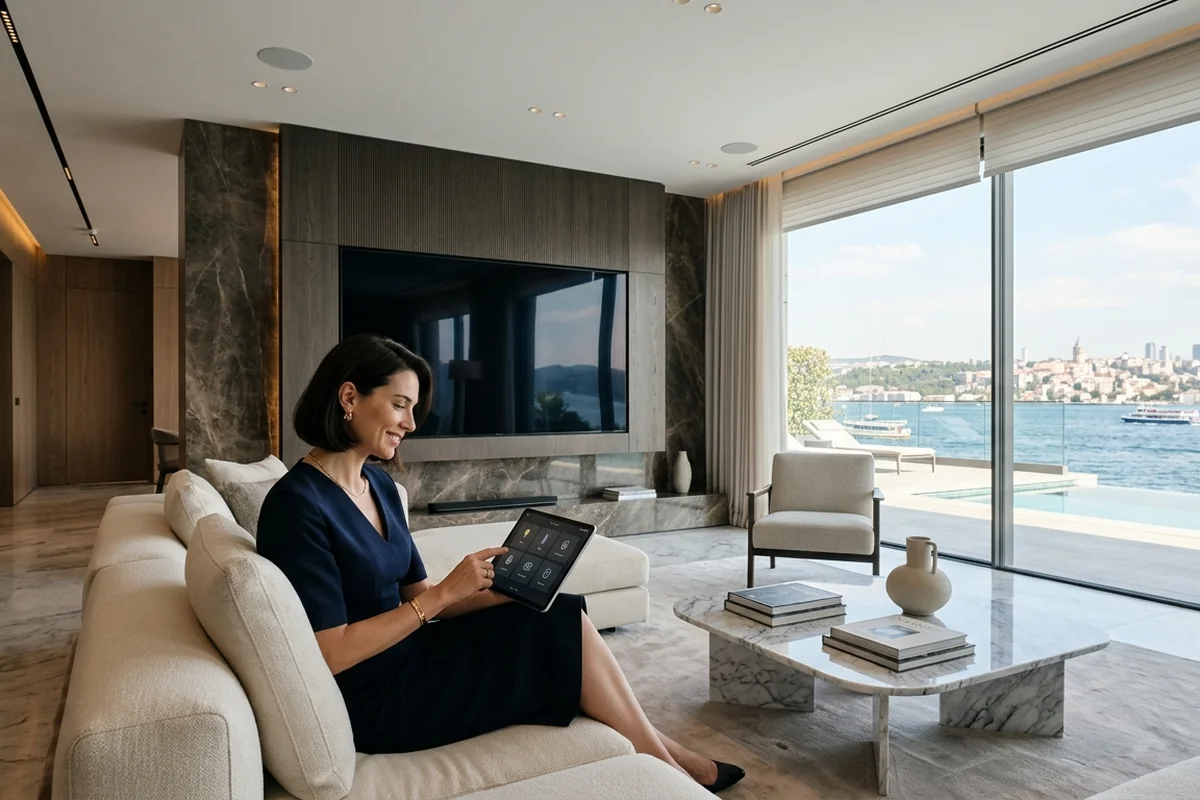
Smart Home Technology for Luxury Interiors: 10 Tips
Discover how smart home technology for luxury interiors elevates comfort,…