

Choosing the right eco-friendly interior design options is no longer a niche decision — it is a smart, future-proof investment that benefits your health, your wallet, and the planet. Whether you own a luxury villa in Istanbul, manage a commercial property, or are renovating a residential space, sustainable design choices deliver measurable results. In this guide, we break down the most effective strategies, materials, and systems available today, so you can make confident decisions that align with both your aesthetic vision and your environmental values.
Table of contents
- Why Eco-Friendly Interior Design Options Matter in 2026
- Top Sustainable Materials for Green Interiors
- Practical Eco-Friendly Design Strategies for Every Space
- Comparing the Best Eco-Friendly Interior Design Options: A Side-by-Side Look
- Frequently Asked Questions
Why Eco-Friendly Interior Design Options Matter in 2026
The demand for eco-friendly interior design options has surged across every property segment — from residential apartments to high-end commercial offices. Clients and investors increasingly recognize that sustainable interiors reduce long-term operating costs, improve indoor air quality, and significantly increase property value. According to the U.S. Green Building Council (USGBC), LEED-certified buildings consistently command higher rental rates and lower vacancy rates than conventional counterparts.
Beyond financial returns, sustainable design reflects a genuine commitment to occupant wellbeing. Poor air quality, toxic off-gassing from synthetic materials, and excessive energy consumption are real problems in conventionally designed spaces. Eco-friendly design tackles all three simultaneously. At AA-DO Design Studio, we integrate sustainable principles into every project from the very first consultation, ensuring that beauty and responsibility coexist in every square meter.
Istanbul’s growing real estate market creates a particularly compelling case for green design. Property owners and investors who adopt eco-friendly interior design options now position themselves ahead of tightening EU environmental regulations and evolving buyer expectations. The time to act is today, not after the market forces your hand.
Top Sustainable Materials for Green Interiors
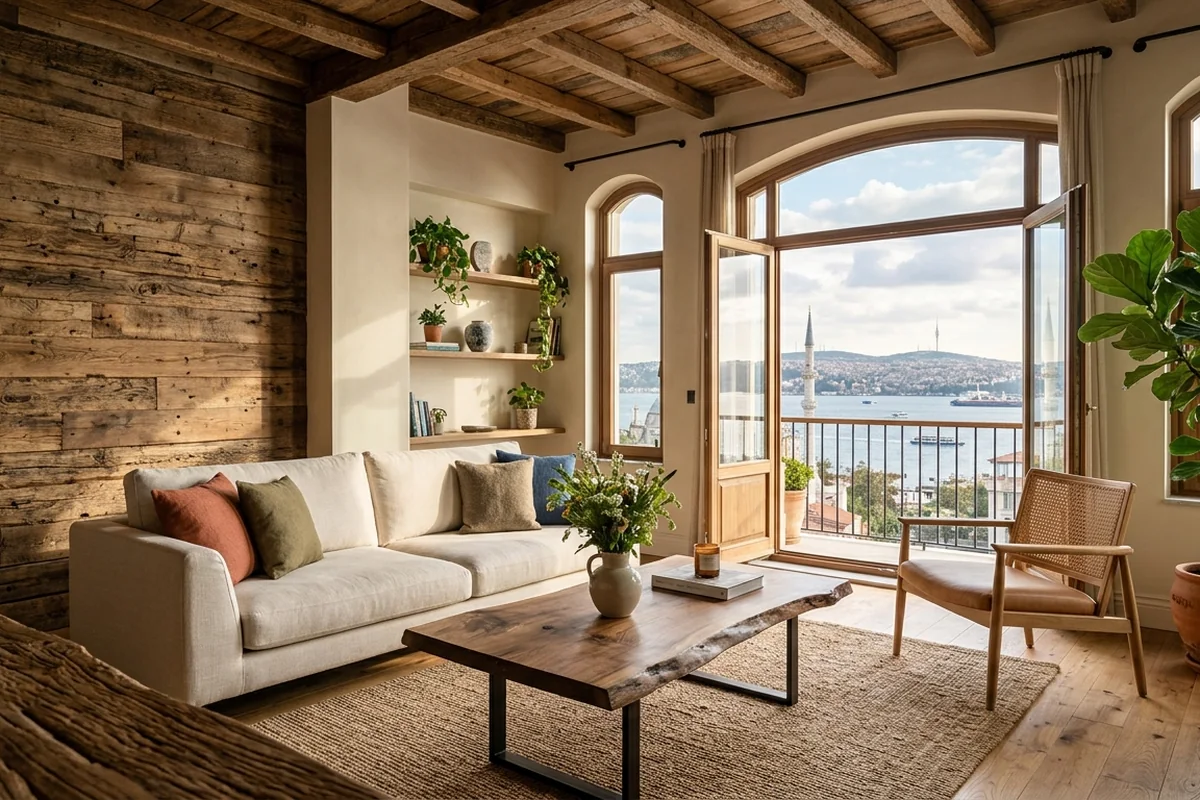
Selecting the right materials is the foundation of any credible eco-friendly interior design strategy. The best sustainable materials share three qualities: they are responsibly sourced, durable, and low in harmful emissions. Here are the most impactful categories to consider:
- **Reclaimed wood:** Salvaged timber from old buildings or industrial sites reduces deforestation pressure and adds rich, authentic character to floors, wall panels, and furniture.
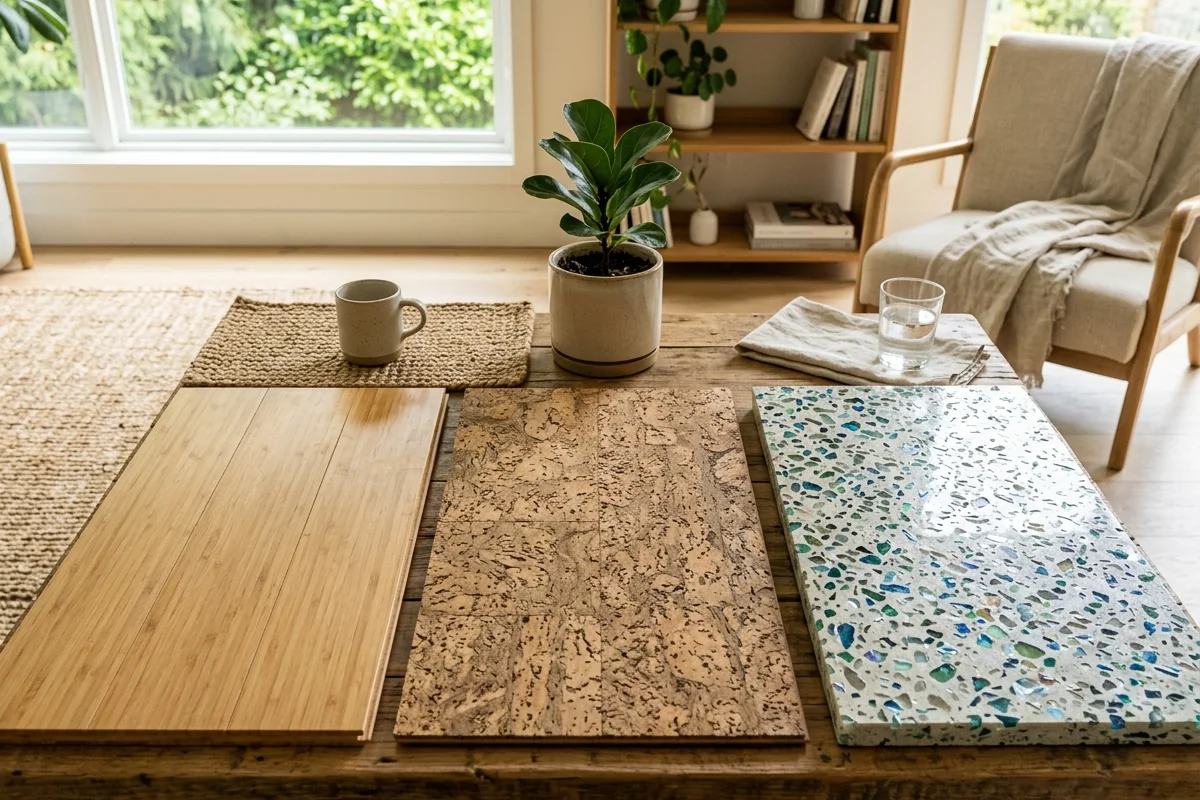
- **Bamboo:** One of the fastest-growing plants on earth, bamboo makes an excellent flooring and cabinetry material — harder than most hardwoods and fully renewable within five years.
- **Recycled metal and glass:** Using recycled aluminum, steel, and glass for fixtures, partitions, and decorative elements dramatically cuts the embodied carbon of a project.
- **Natural stone:** Locally quarried stone requires minimal processing and lasts for generations, making it one of the most genuinely sustainable surface choices available.
- **Low-VOC paints and finishes:** Volatile organic compounds (VOCs) in conventional paints degrade indoor air quality. Low-VOC and zero-VOC alternatives protect occupant health without sacrificing color depth or durability.
- **Cork:** Harvested without cutting the tree, cork is a renewable, naturally antimicrobial, and acoustically excellent flooring and wall material.
The U.S. Environmental Protection Agency (EPA) confirms that VOC exposure indoors can be two to five times higher than outdoors, making low-emission material selection a genuine health priority, not just a marketing claim.
When sourcing materials for projects in Istanbul and beyond, our team at AA-DO carefully vets every supplier for certifications such as FSC (Forest Stewardship Council), Cradle to Cradle, and GREENGUARD. These certifications give clients verifiable assurance that the materials perform as promised. Explore our completed projects to see how we apply these material choices across diverse property types.
Practical Eco-Friendly Design Strategies for Every Space
Selecting sustainable materials is only the beginning. The most effective eco-friendly interior design options combine smart material choices with energy-efficient systems, biophilic principles, and thoughtful space planning. Here is how to apply these strategies across different property types:
Energy efficiency starts with lighting. Replace all incandescent and halogen fixtures with LED lighting, which uses up to 80% less energy and lasts 25 times longer. Use daylight sensors and dimmer controls to reduce consumption further. For commercial spaces, smart lighting management systems can cut electricity bills by 30 to 40% annually.
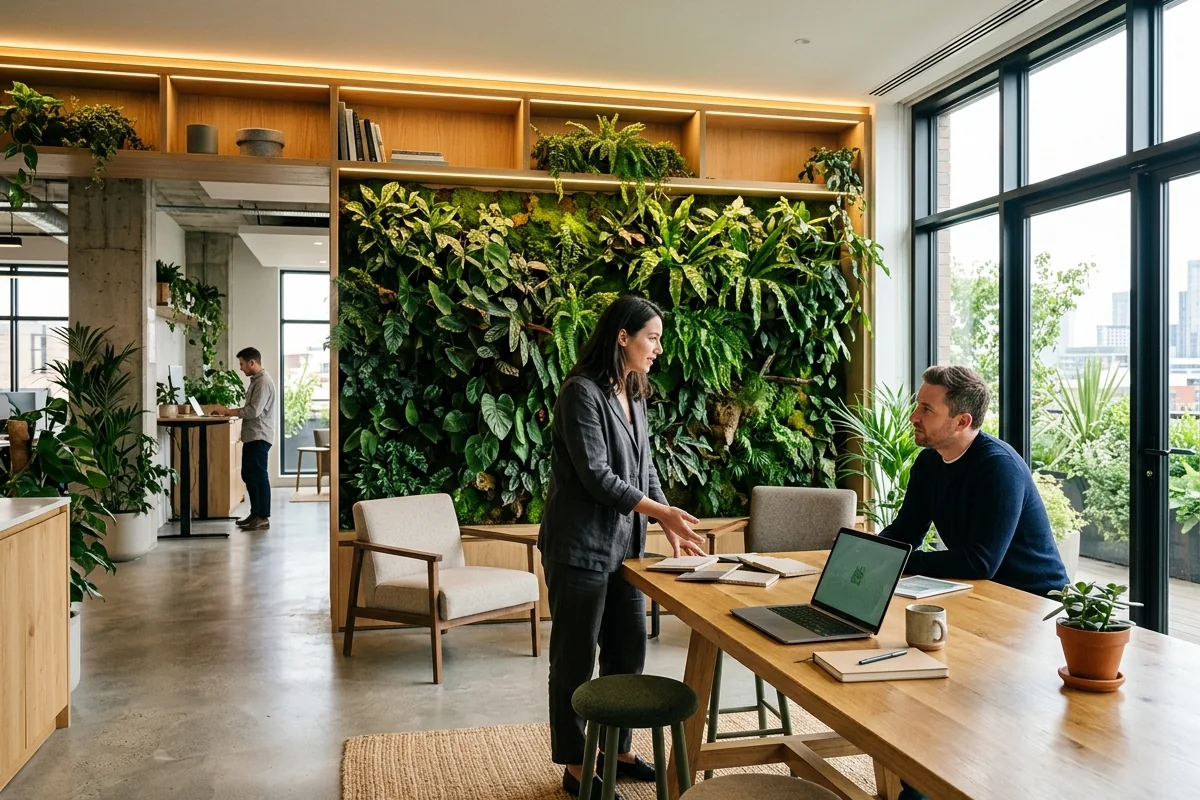
Biophilic design improves wellbeing and productivity. Incorporating living walls, indoor plants, natural textures, and views of nature reduces stress, boosts cognitive performance, and improves air quality. Research published by Nature Scientific Reports demonstrates that even minimal exposure to natural elements inside buildings measurably lowers cortisol levels and improves occupant satisfaction scores.
Thermal performance matters more than most clients realize. Proper insulation, double or triple-glazed windows, and thermally broken window frames reduce heating and cooling loads dramatically. In Istanbul’s climate — hot summers and cool winters — these choices deliver immediate comfort benefits and long-term energy savings.
Here are additional practical strategies to implement immediately:
- Install water-efficient fixtures (low-flow faucets, dual-flush toilets) to reduce water consumption by up to 40%.
- Choose furniture made from FSC-certified wood or recycled materials and designed for disassembly and repair.
- Use modular design layouts that allow spaces to adapt over time, reducing the need for full renovations.
- Specify natural fiber textiles — organic cotton, linen, wool, and hemp — for upholstery, curtains, and rugs.
- Integrate renewable energy sources such as solar panels or solar thermal systems wherever the building envelope allows.
For villa owners in Istanbul, these strategies translate directly into premium property positioning. Learn how our approach to villa architectural design in Istanbul incorporates sustainability at every scale, from site planning to interior finishes.
Comparing the Best Eco-Friendly Interior Design Options: A Side-by-Side Look
Choosing between different eco-friendly interior design options can feel overwhelming. The table below compares the most popular sustainable choices across key performance dimensions, helping you prioritize based on your project type and budget.
| Eco-Friendly Option | Cost Level | Durability | Environmental Impact | Best For |
|---|---|---|---|---|
| Reclaimed Wood Flooring | Medium–High | Very High | Very Low (reuse) | Residential, Hospitality |
| Bamboo Flooring | Low–Medium | High | Very Low (renewable) | Residential, Commercial |
| Low-VOC Paints | Low | Medium | Low | All Property Types |
| Living Walls / Biophilic Features | Medium–High | Medium (with maintenance) | Positive (air purification) | Commercial, Luxury Residential |
| LED Smart Lighting Systems | Low–Medium | Very High | Very Low (energy saving) | All Property Types |
| Recycled Glass Surfaces | Medium | High | Low (recycled content) | Kitchens, Bathrooms, Offices |
| Cork Flooring | Low–Medium | Medium–High | Very Low (renewable) | Bedrooms, Home Offices |
| Solar-Integrated Design | High (upfront) | Very High | Very Low (clean energy) | Villas, Commercial Buildings |
This comparison makes clear that not every eco-friendly interior design option requires a large upfront investment. Low-VOC paints and LED lighting deliver immediate environmental and health benefits at minimal cost. Higher-investment options like living walls and solar integration provide longer payback periods but significantly enhance property value and market appeal.
For commercial property owners, integrating multiple options from this table creates a compounding effect — each sustainable system reinforces the others, producing spaces that are healthier, more efficient, and more attractive to premium tenants. Our team at AA-DO specializes in designing exactly these kinds of layered, high-performance interiors. Visit our commercial architecture services page to understand how we approach sustainability in business environments.
Residential renovation clients benefit equally from a layered approach. Rather than replacing everything at once, a phased strategy — starting with paint, lighting, and insulation, then progressing to flooring and fixtures — allows homeowners to spread costs while steadily improving performance. Our residential renovation architects in Istanbul guide clients through exactly this kind of strategic, sustainable transformation.
The global design community continues to accelerate the development of new eco-friendly materials and systems. Staying current with emerging standards and certifications ensures that your investment remains relevant and competitive for decades to come.
Frequently Asked Questions
Q1: What are the most cost-effective eco-friendly interior design options for a tight budget?
Start with low-VOC paints, LED lighting upgrades, and water-efficient fixtures — these three changes deliver immediate health and cost benefits at relatively low upfront investment. Switching to natural fiber textiles and adding indoor plants also improves air quality and biophilic value without significant expense. These foundational choices create a strong sustainable baseline before you invest in larger items like flooring or insulation.
Q2: Do eco-friendly interiors require more maintenance than conventional designs?
Most eco-friendly interior design options actually require less maintenance over time. Bamboo and reclaimed wood floors are highly durable. LED lighting systems last 25 times longer than incandescent bulbs. Low-VOC finishes maintain their appearance without the cracking or yellowing associated with older synthetic products. Living walls are the one element that requires consistent care, but professional installation with integrated irrigation systems makes upkeep manageable and predictable.
Q3: How do eco-friendly interior design options affect property value in Istanbul?
Sustainable design features consistently increase property value and marketability. LEED-certified and energy-efficient properties command premium prices in global markets, and Istanbul is rapidly aligning with this trend as international buyers and investors enter the market. Features like smart energy systems, high-performance insulation, and premium sustainable materials signal quality and future-proofing to discerning buyers. Working with an experienced design studio that understands both local market dynamics and international sustainability standards is the most reliable way to maximize your return on investment.

Related Posts
Client success stories in high-end interior design: 7 Proven Wins
Explore 7 client success stories in high-end interior design and discover how…

Outdoor living spaces for Istanbul’s climate: 7 Expert Design Tips
Discover 7 expert tips for designing outdoor living spaces for Istanbul's…
Smart home technology for luxury interiors: 10 Expert Tips
Discover how smart home technology for luxury interiors elevates comfort,…