

Istanbul sits at the crossroads of continents, cultures, and centuries of architectural brilliance. If you are a property owner or real estate investor searching for Istanbul high-end home interior design, you are entering one of the world’s most exciting and dynamic design markets. The city blends Ottoman grandeur, modernist minimalism, and contemporary global trends into interiors that feel genuinely unique. In this guide, we reveal seven planning principles that will help you plan, execute, and enjoy a truly exceptional home interior in Istanbul.
Use the room sequences in Dahlan Villa and Tutku Premium Villa interiors to discuss how a design team coordinates materials, furniture and individual household needs. The portfolio records provide design references; programme, fees and construction responsibilities still need to be agreed for your own commission.
Table of contents
- What Makes Istanbul High-End Home Interior Design Unique
- Design Styles to Consider for Istanbul Homes
- Seven Principles for Planning an Interior Project
- Comparing Top Interior Design Approaches for Istanbul Properties
- Frequently Asked Questions
What Makes Istanbul High-End Home Interior Design Unique
Istanbul offers varied architectural and cultural references that should be assessed for the particular home. The city draws on Byzantine mosaics, Seljuk geometric patterns, Ottoman calligraphy, and a fiercely modern cosmopolitan energy. When you invest in Istanbul high-end home interior design, you tap into a living tradition that skilled designers translate into spaces that feel both timeless and completely contemporary.
The city’s geography amplifies this richness. Bosphorus-facing villas demand interiors that frame panoramic water views. Historic districts like Beyoğlu and Nişantaşı call for sensitive restoration paired with luxury finishes. New developments in Maslak and Ataşehir invite bold, forward-looking aesthetics. Each neighborhood presents a distinct brief, and experienced studios rise to every challenge.
Compare the team’s technical coordination, design judgement and relevant project experience. Ask what is included at each stage and how decisions, revisions and site responsibilities are recorded. Our guide to residential design priorities discusses related planning questions.
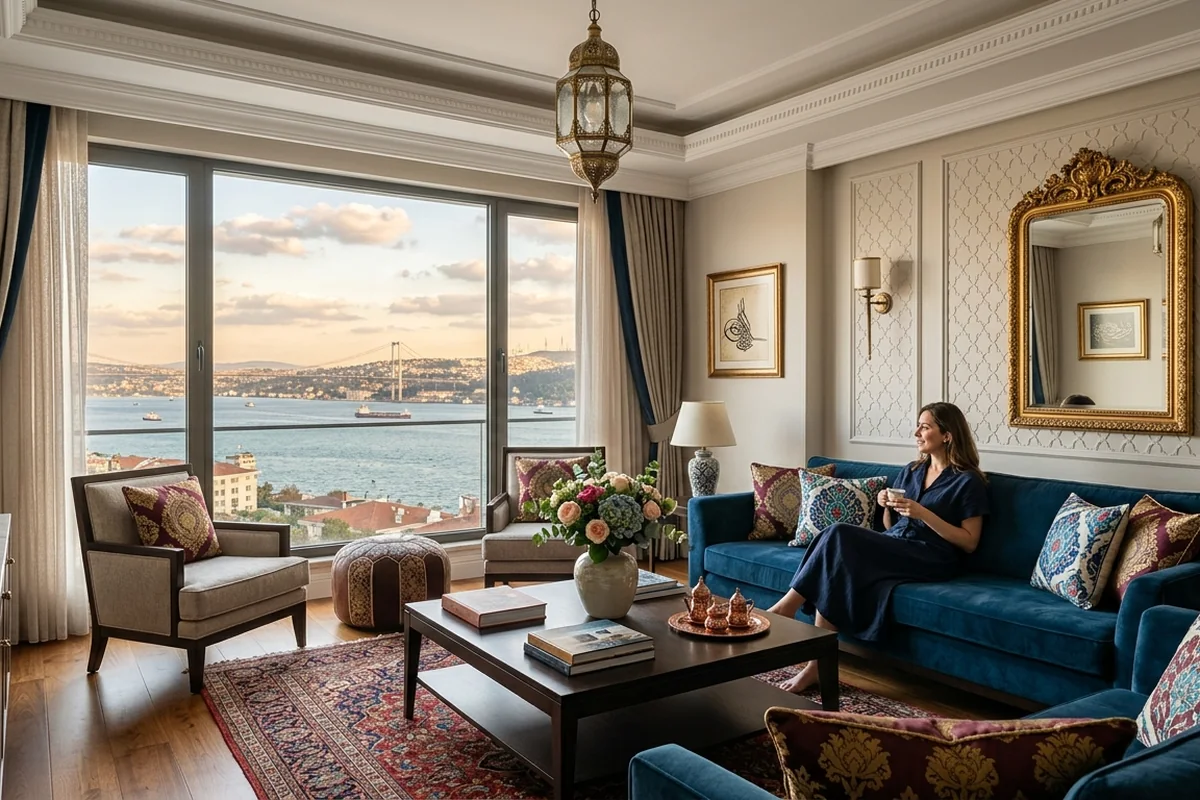
Design Styles to Consider for Istanbul Homes
Understanding current style trends helps you communicate your vision clearly and make confident decisions. Istanbul’s luxury residential market currently celebrates several distinct aesthetics, often blended to create something entirely personal.
Contemporary Ottoman Revival reinterprets traditional motifs — muqarnas vaulting, arabesque tilework, hammered brass — through a minimalist lens. Designers strip away excess ornamentation and let one or two heritage-inspired focal points command attention against neutral, textured backgrounds. The result feels cultured and serene rather than heavy or theatrical.
Nature-inspired interiors may use timber, stone, planting and daylight. Assess glare, ventilation, maintenance and climate when connecting interiors to views or terraces. Published design examples provide references rather than evidence of a universal trend or health benefit.
Maximalist Eclecticism is gaining ground among collectors and art lovers who want their homes to tell a personal story. This style layers antique kilims, contemporary sculpture, bespoke joinery, and curated lighting into spaces that feel richly inhabited rather than showroom-perfect. Executed well, it is deeply sophisticated.
Design characteristics to consider include:
- Custom millwork and built-in cabinetry crafted by local artisans
- Smart-home integration hidden seamlessly within traditional or contemporary finishes
- Sustainable and locally sourced materials that reduce environmental impact
- Acoustic engineering for peaceful urban living
- Statement lighting as sculptural art
Dedicated relaxation spaces, quiet bathrooms and adjustable lighting can be considered when they reflect user priorities. Published design examples are references rather than requirements for every home.
Seven Principles for Planning an Interior Project
The following seven principles provide a framework for discussing an interior project; their suitability depends on the brief, building and agreed scope.
1. Define your brief: describe daily routines, visitors, work and collections before developing the layout. A clear brief helps compare options and organize decisions, but does not guarantee a particular programme.
2. Choose a studio with a proven track record. Review completed projects, not just renders. Visit our Projects page to see published projects; ask which are built works and which are design proposals.
3. Use visualization to compare spatial choices, furniture and finishes. Review it alongside measurements, technical details and samples rather than treating a rendering as a guarantee of the built result.
4. Plan material sourcing: compare samples, origin, durability, care and delivery requirements. Imported marble, regional rugs or local metalwork may be appropriate where they suit the project and budget.
5. Plan a project-specific programme covering design, reviews, procurement and construction. Identify dependencies and responsibilities, including factors that may change the schedule.
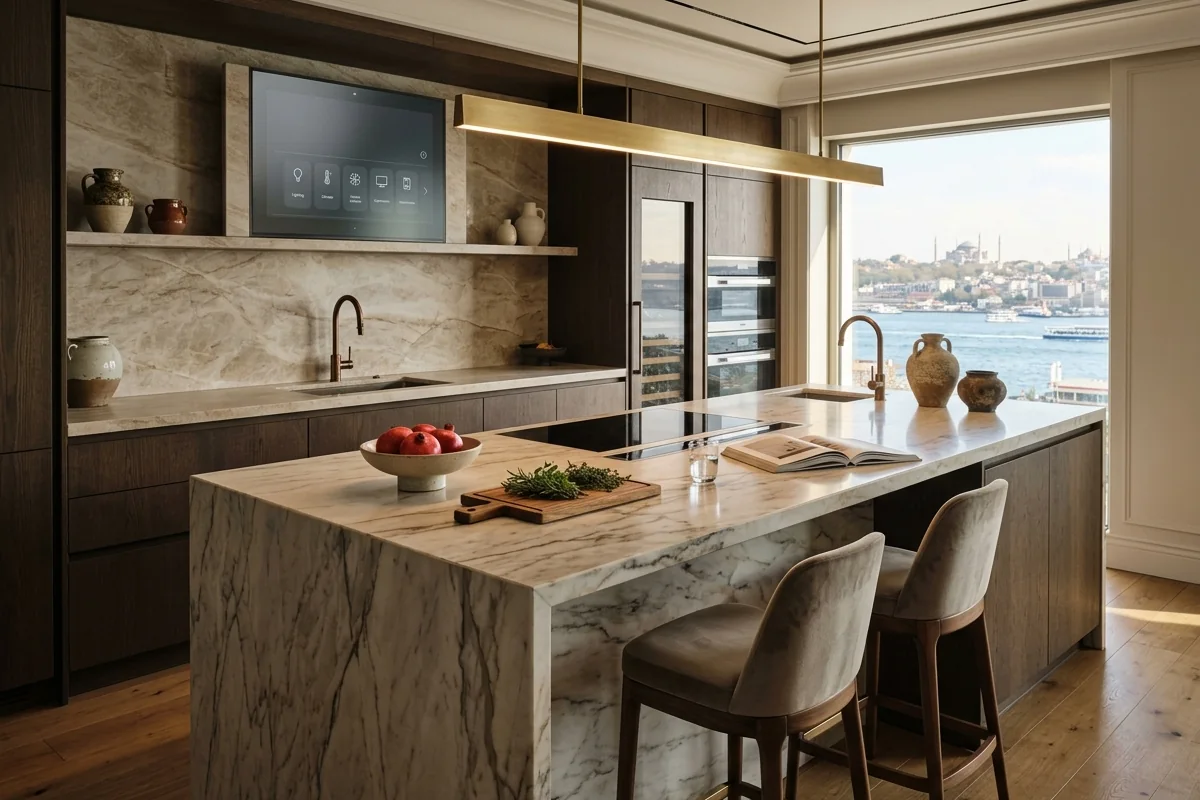
6. Integrate technology invisibly. Smart lighting, climate control, audio-visual systems, and security should disappear into the architecture. Exposed cables, visible sensors, or clunky control panels undermine the luxury experience immediately.
7. Consider coordinated delivery where useful. Define which design, procurement and construction tasks are included, the client’s decisions, exclusions and reporting arrangements.
These principles help organize decisions, communication and coordination; implementation remains subject to actual technical and administrative conditions.
Essential questions to ask your design studio before signing a contract:
- Can you show me completed projects at a similar budget and scale?
- How do you handle contractor coordination and quality control on site?
- What is your process for managing design changes during construction?
- How do you source materials and what is your supplier vetting process?
- Who is my primary point of contact throughout the project?
Comparing Top Interior Design Approaches for Istanbul Properties
Choosing the right design approach depends on your property type, lifestyle, and investment goals. The table below compares the three most common approaches used in Istanbul’s luxury residential market.
| Design Approach | Best Suited For | Typical Timeline | Key Strength | Potential Challenge |
|---|---|---|---|---|
| Full-Service Bespoke Design | Villas, penthouses, large apartments | Project-specific programme | Completely tailored to client; project-specific detailing | Higher investment; requires active client involvement |
| Design-and-Build (Turnkey) | Investors, overseas buyers, busy professionals | Project-specific programme | Single point of responsibility; streamlined process | Less flexibility for mid-project changes |
| Concept Design + Client-Managed Build | Experienced clients with local networks | Project-specific programme | Lower design fee; client retains direct contractor control | High coordination burden on client; risk of quality inconsistency |
The appropriate model depends on experience, time available for follow-up, property type and scope. No one model provides the best outcome in every situation. Compare documentation, expertise, management and the tasks remaining with the client or other specialists.
Professional organizations can provide information about design practice. When appointing a studio, verify its actual qualifications, experience, insurance where relevant, contract and deliverables rather than assuming alignment with an organization establishes project quality.
Design can improve usability and appeal, but rental and resale outcomes depend on location, market conditions, cost and management. A guaranteed return percentage cannot be attributed to interior finishes alone.
Frequently Asked Questions
Q1: How much does Istanbul high-end home interior design typically cost?
A useful estimate needs a defined scope covering areas, specifications, furniture, technology, procurement and supervision. Prices depend on condition and current market quotations. Request a detailed offer explaining fees, deliverables, exclusions and how changes are priced.
Q2: How do I find the right interior design studio for my Istanbul property?
Start by reviewing completed portfolios and visiting finished projects if possible. Look for studios with demonstrable experience in your property type — villa, apartment, or historic conversion — and at your target budget level. Check references from previous clients and confirm the studio carries professional indemnity insurance. You can explore our About page to understand our team’s background, philosophy, and qualifications before reaching out.
Q3: Can overseas property owners manage an Istanbul interior design project remotely?
Remote coordination can be agreed through regular calls, photographic reports, documented approvals and a local contact. Visits and authorizations depend on scope. Discuss the arrangements for the specific project rather than assuming one model suits every client.

Related Posts
High-End Interior Design: 7 Illustrative Scenarios
Explore 7 client success stories in high-end interior design and discover how…

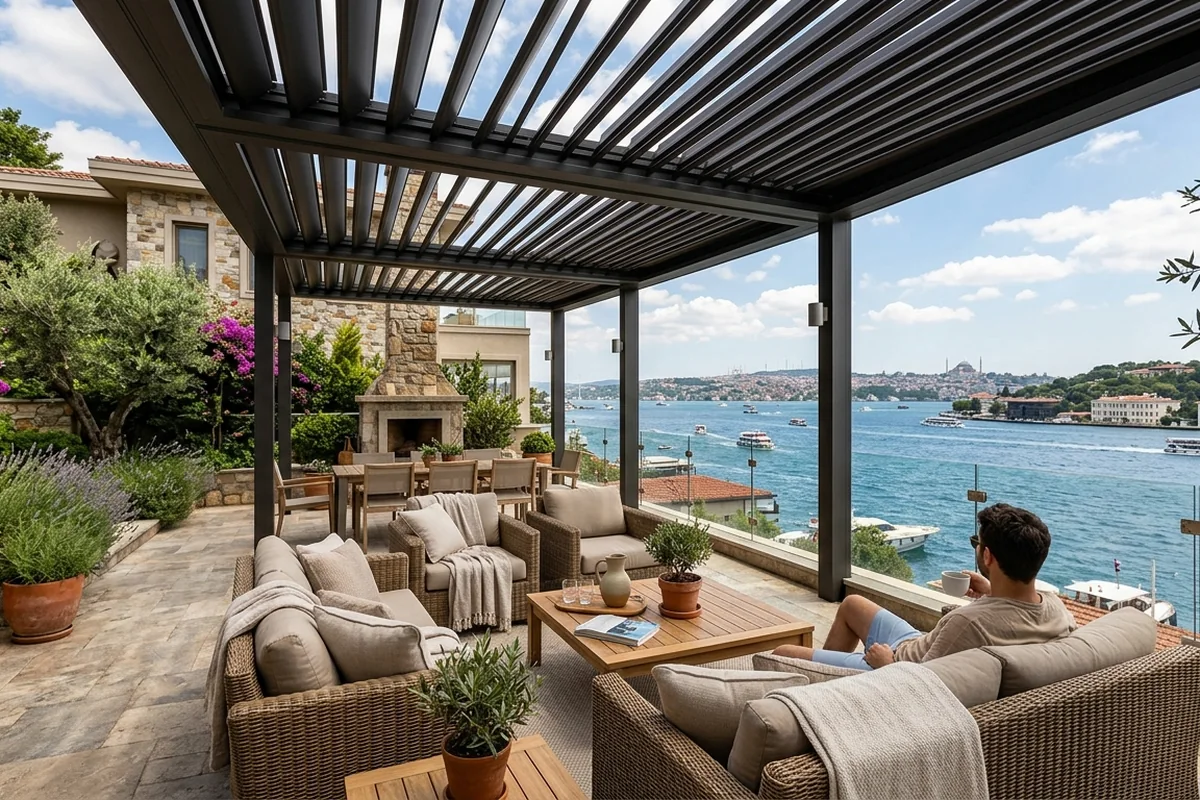
Outdoor Living Spaces for Istanbul’s Climate: 7 Strategies
Discover 7 expert tips for designing outdoor living spaces for Istanbul's…
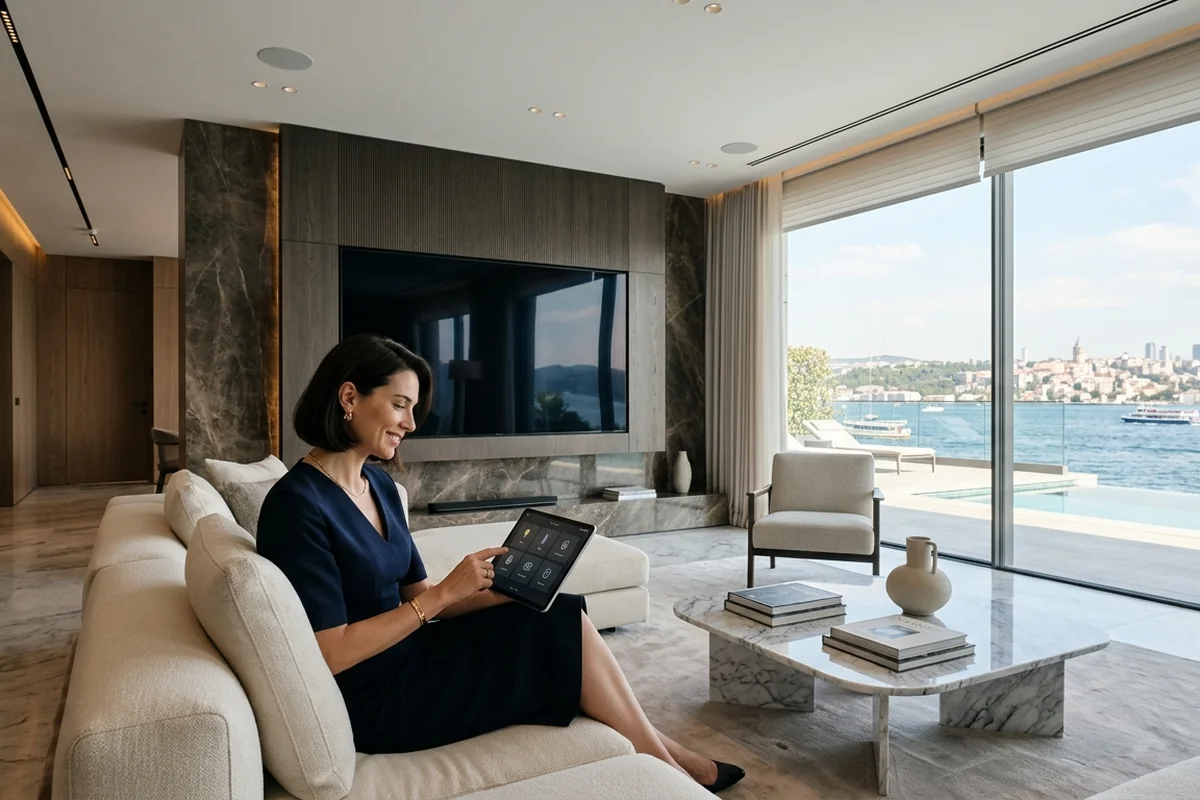
Smart Home Technology for Luxury Interiors: 10 Tips
Discover how smart home technology for luxury interiors elevates comfort,…