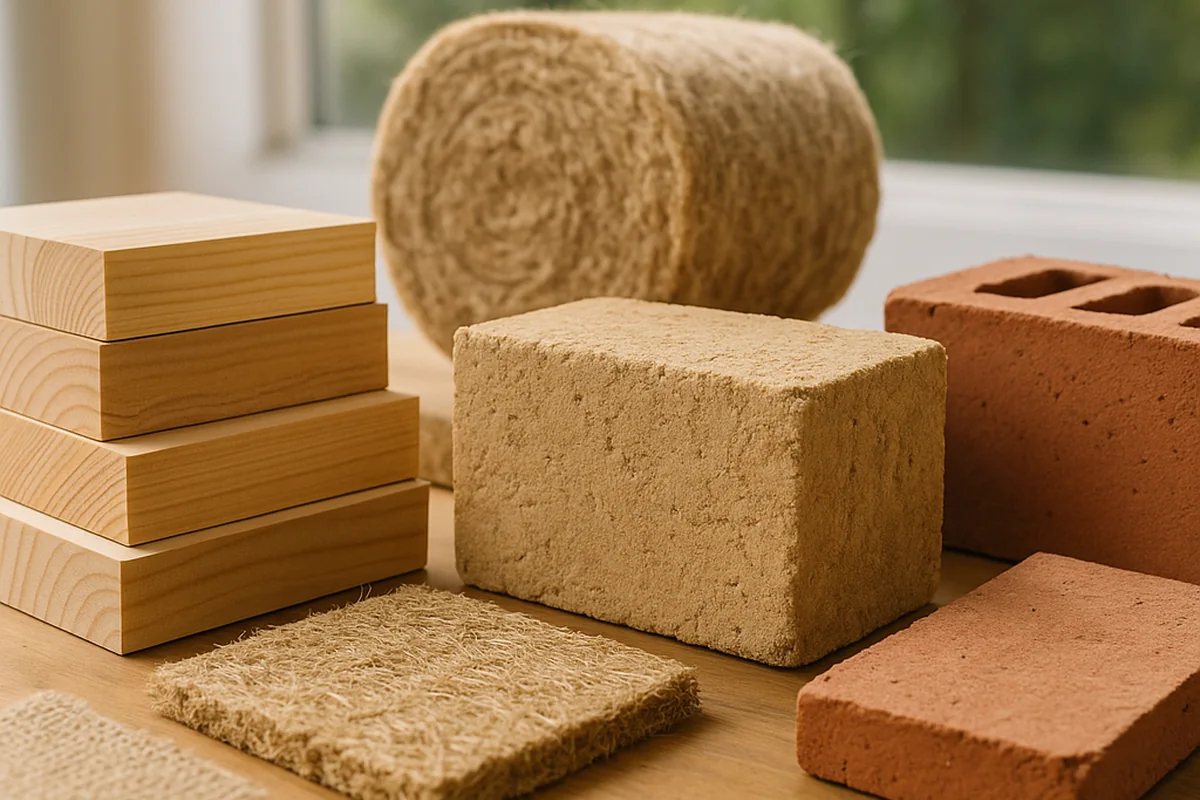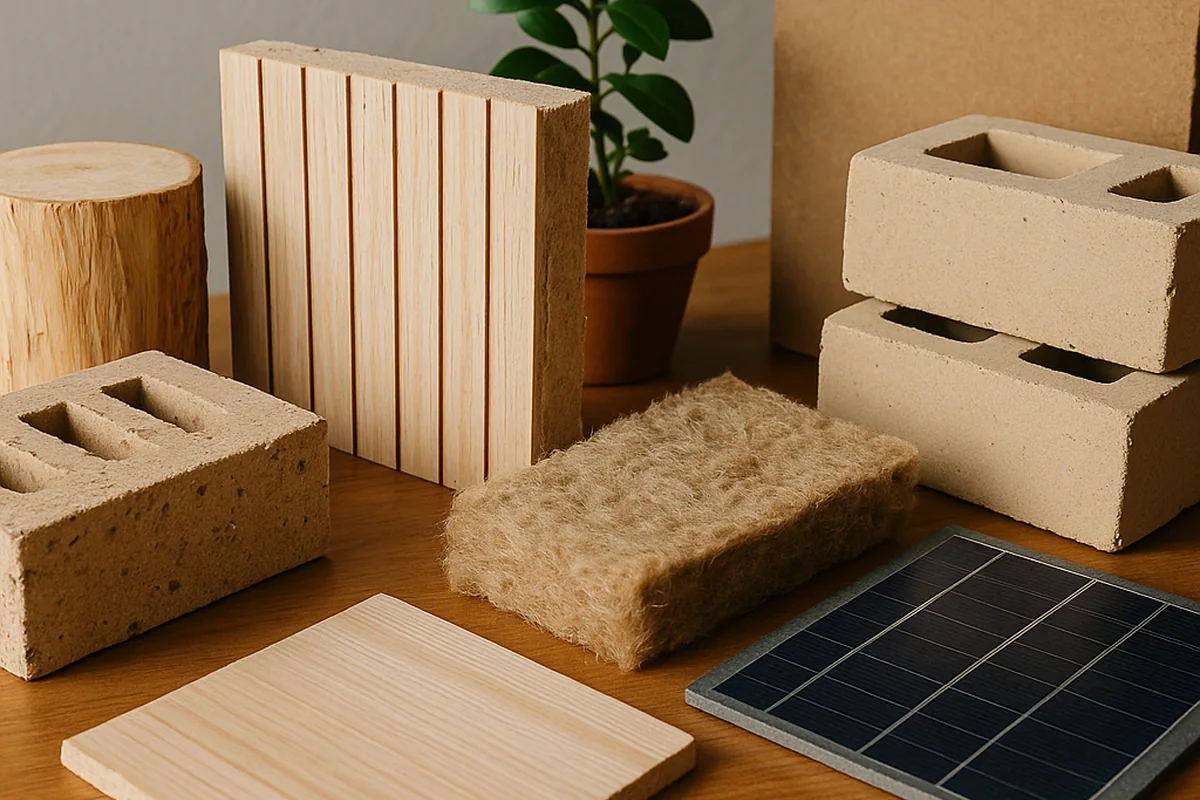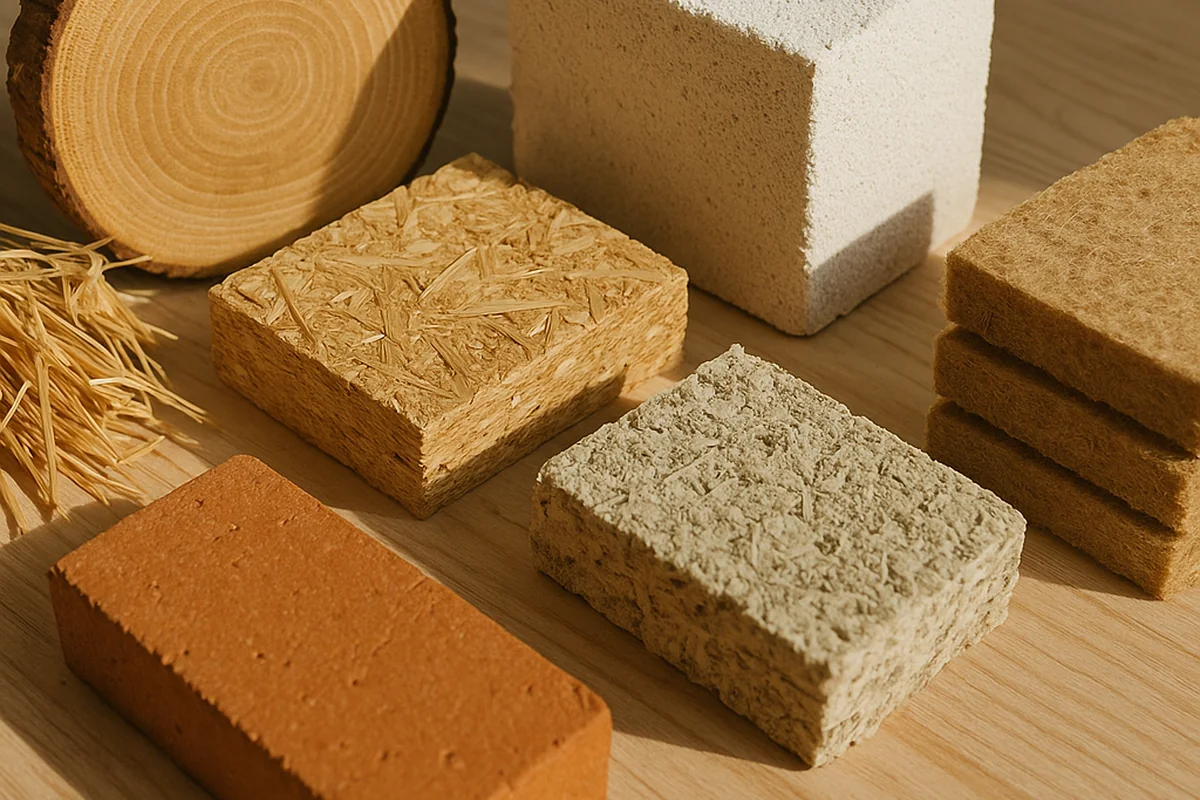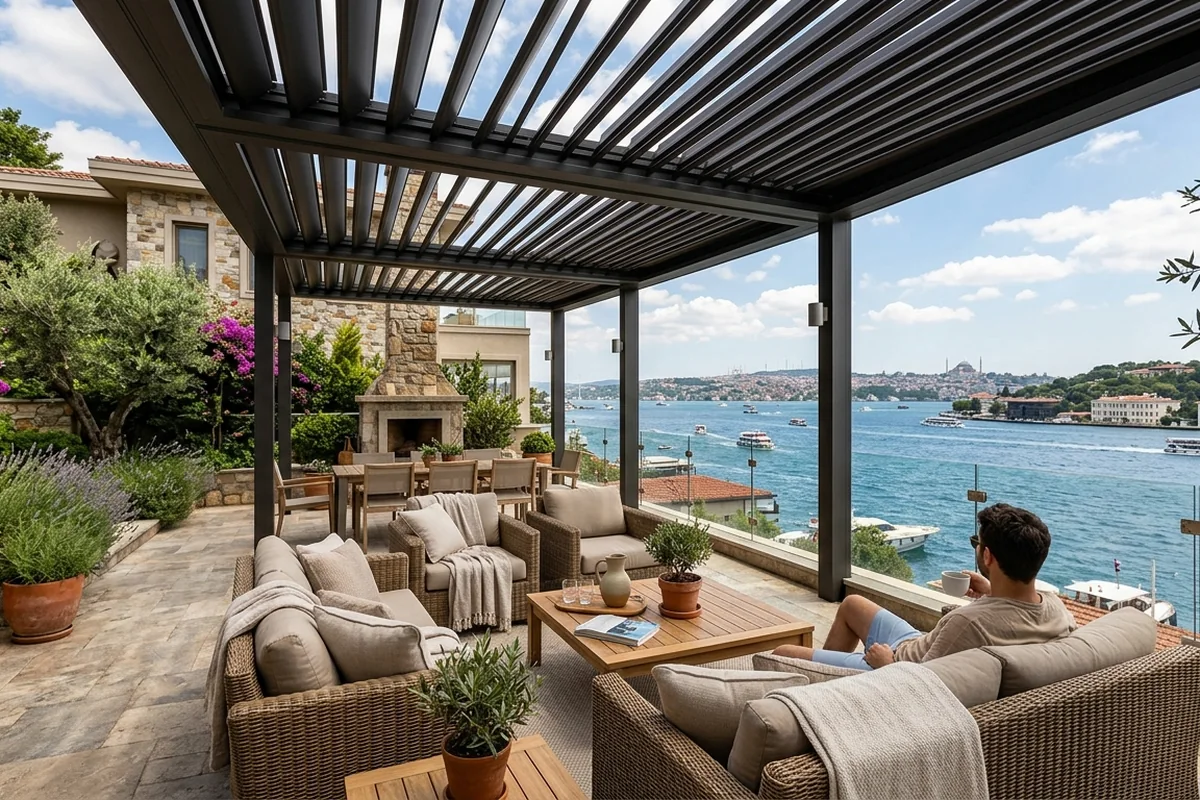
Selecting the top sustainable building materials 2026 is crucial for property owners, real estate investors, and architects aiming to create eco-friendly, future-ready spaces. As Istanbul’s architecture scene evolves, so does the demand for environmentally responsible solutions. This definitive guide explores the most advanced and proven sustainable materials set to dominate 2026, helping you make informed choices for residential, commercial, or luxury projects. Whether you’re planning a villa, office, or retail renovation, the right materials can enhance both your environmental impact and your property’s value.
Table of contents
- Top Sustainable Building Materials 2026: Key Innovations
- Why Choose Sustainable Building Materials?
- Practical Applications of the Top Sustainable Building Materials 2026
- Comparing the Top Sustainable Building Materials 2026
- Frequently Asked Questions
Top Sustainable Building Materials 2026: Key Innovations
The top sustainable building materials 2026 blend cutting-edge science, local sourcing, and smart design. These materials don’t just lower your environmental footprint—they also offer superior performance, durability, and striking aesthetics. As an architecture and interior design studio in Istanbul, we see firsthand how these choices shape remarkable spaces.
Some of the most influential materials for 2026 include:
- **Cross-laminated timber (CLT)**
- **Hempcrete bio-composites**
- **Recycled steel**
- **Low-carbon concrete**
- **Bamboo panels**
- **Reclaimed wood**
- **Mycelium insulation**
- **Recycled glass tiles**
- **Recycled plastic composites**
Let’s look at each in more detail:
Cross-Laminated Timber (CLT)
CLT panels are made by gluing together layers of solid-sawn lumber, each layer oriented perpendicular to the next. This structure gives CLT exceptional strength and stability, rivaling traditional concrete and steel. In Europe, CLT has been used for buildings up to 18 stories, such as the Mjøstårnet tower in Norway—the world’s tallest timber building at 85.4 meters. The environmental benefit is immense: every cubic meter of CLT stores about 1 ton of CO₂, and the wood comes from renewable sources.
Hempcrete Bio-Composites
Hempcrete combines industrial hemp fibers with lime-based binders, resulting in a lightweight, insulating, and carbon-negative material. Hemp grows quickly with minimal water and no pesticides, making it ideal for regenerative agriculture. Studies show hempcrete can sequester up to 110 kg of CO₂ per cubic meter over its lifetime. In France, more than 20,000 homes have been built using hempcrete, demonstrating its viability for large-scale construction.
Recycled Steel
Steel is one of the world’s most recycled materials—over 80% of structural steel used in new buildings comes from recycled content. Recycled steel maintains the same strength as virgin steel but drastically reduces energy consumption and CO₂ emissions by as much as 70%. Istanbul’s Zorlu Center used recycled steel in its frame, a pioneering move in Turkish mixed-use development.
Low-Carbon Concrete
Concrete production accounts for nearly 8% of global CO₂ emissions, but new formulas are changing that. Low-carbon concrete incorporates industrial byproducts like fly ash, slag, or calcined clay, reducing emissions by up to 50%. For example, the CEMEX Vertua concrete used in Europe has helped cut over 1.5 million tons of CO₂ since 2020.
Bamboo Panels
Bamboo grows up to 1 meter per day and matures in 3–5 years, making it one of the fastest renewable resources. Engineered bamboo panels are as strong as hardwood and are used for flooring, wall cladding, and even structural elements. Projects like the Green School in Bali showcase bamboo’s potential in both architecture and sustainability.
Reclaimed Wood
Reclaimed wood salvaged from old barns, factories, or shipping pallets brings unique character and history to new builds. Reusing wood saves trees and reduces landfill waste. The Soho House in Istanbul, for example, features reclaimed wood in its interiors, blending sustainability with luxury.
Mycelium Insulation
Grown from the roots of mushrooms, mycelium panels are entirely biodegradable, non-toxic, and naturally fire-resistant. Companies like Ecovative are leading the way—mycelium insulation panels can compete with traditional foams in R-value (a measure of thermal resistance), while consuming a fraction of the energy to produce.
Recycled Glass Tiles
Glass is infinitely recyclable. Modern recycled glass tiles use up to 99% post-consumer glass, diverting waste from landfills while providing stunning, light-reflective finishes. The Istanbul Sapphire Tower uses recycled glass tiles in its façade, achieving both beauty and sustainability.
Recycled Plastic Composites
Plastic waste is a major environmental challenge, but recycled plastic lumber and composites transform this liability into an asset. These materials are resistant to rot, insects, and weathering, making them ideal for decking, fencing, and exterior cladding. In Turkey, start-ups like Biopipe are using recycled plastics for innovative modular building systems.
By integrating these materials, you not only contribute to a healthier planet, but also position your project at the forefront of design innovation. To explore how these trends shape iconic properties in Istanbul, browse our recent Projects or learn more About our sustainability philosophy.

Why Choose Sustainable Building Materials?
Sustainable building materials are more than a trend—they represent a commitment to future-proofing your investment and contributing to global climate goals. The benefits extend to your bottom line and the well-being of occupants, thanks to improved air quality, energy savings, and long-term durability.
Key Benefits
- **Reduced carbon footprint:**
Materials like CLT and hempcrete store carbon instead of emitting it. For instance, a 5-story residential building constructed with CLT can offset the emissions of driving a car 1,000,000 km.
- **Resource efficiency:**
Recycled content and renewable resources like bamboo and recycled steel decrease reliance on virgin materials. According to the World Green Building Council, buildings using recycled steel save 75% in raw materials and 40% in water usage.
- **Higher property value:**
Green buildings often command 7–10% higher resale prices and rent faster, according to the Royal Institution of Chartered Surveyors (RICS).
- **Healthier environments:**
Low-VOC and non-toxic materials, such as mycelium insulation and bamboo panels, support occupant wellness. The WELL Building Standard has documented a 30% reduction in sick days in spaces using healthier materials.
- **Regulatory compliance:**
New standards increasingly require sustainable design in urban developments. In Turkey, the Green Building Certification (ÇEDBİK) is gaining traction, with over 200 projects certified in 2023.
The Bigger Picture
Globally, the construction sector is responsible for 39% of energy-related CO₂ emissions. By 2026, stricter regulations and consumer awareness will push sustainable materials from niche to norm. In Istanbul, the city’s 2050 Climate Action Plan sets ambitious targets for energy efficiency and green building, further boosting demand for these materials.
For an in-depth overview of green building standards, visit the U.S. Green Building Council (USGBC). You can also discover the latest villa architectural trends in Istanbul that incorporate these leading materials.
Practical Applications of the Top Sustainable Building Materials 2026
Understanding the potential of the top sustainable building materials 2026 is just the first step. Applying them creatively ensures both sustainability and outstanding design for your villa, office, or commercial project.
Real-World Applications
- **Cross-Laminated Timber (CLT):**
Ideal for multi-story structures, CLT offers strength, rapid installation, and a warm, natural aesthetic. For example, the Dalston Works in London is a 10-story residential building made entirely of CLT, reducing construction time by 20% and cutting embodied carbon by 2,400 tons compared to concrete.
- **Hempcrete:**
This bio-composite insulates exceptionally well and regulates humidity, making it a top choice for residential renovations. In the Netherlands, the ‘Hemp House’ project uses hempcrete to achieve passive house standards, with energy bills reduced by up to 50%.
- **Recycled Steel:**
Used for framing and facades, recycled steel reduces mining impacts and can be shaped into bold, contemporary forms. The Edge in Amsterdam—a model for sustainable office design—uses recycled steel for its entire structure, achieving BREEAM Outstanding certification.
- **Bamboo Panels:**
Fast-growing and versatile, bamboo is excellent for wall cladding and flooring in eco-luxury interiors. The Shanghai Tower’s interior features bamboo panels, providing tactile warmth while maintaining LEED Platinum status.
- **Reclaimed Wood:**
Each piece adds character and history, ideal for accent walls or custom furniture. The award-winning Hotel Hotel in Canberra uses reclaimed wood for its lobby, creating a unique, inviting space while reducing material costs by 15%.
- **Recycled Glass Tiles:**
These bring color and reflectivity while diverting waste from landfills. The Eden Project in the UK uses recycled glass tiles extensively in its visitor center, showcasing their durability and aesthetic versatility.
- **Mycelium Insulation:**
Grown from mushroom roots, mycelium panels are fire-resistant, biodegradable, and highly effective insulators. The Hy-Fi Pavilion in New York demonstrated mycelium’s potential by constructing a 13-meter-tall tower from compostable bricks.
- **Recycled Plastic Composites:**
Durable and low-maintenance, these are used for decking and exterior cladding. The Plastic Road in Zwolle, Netherlands, is a cycle path made entirely from recycled plastic, reducing construction time by 70% and maintenance needs by 50%.
Implementation Tips
- **Partner with architects experienced in green materials:**
Teams familiar with sustainable design can help maximize performance and aesthetics.
- **Verify material certifications:**
Look for certifications like FSC (Forest Stewardship Council) for wood, Cradle to Cradle for circularity, and EPDs (Environmental Product Declarations) for transparency.
- **Consider local climate and availability:**
Materials sourced locally, such as Turkish bamboo or regionally reclaimed wood, lower transport emissions and support the local economy.
- **Balance aesthetics and performance:**
For example, pairing bamboo’s visual warmth with the industrial edge of recycled steel can create a unique, contemporary interior.
#### Case Study: Eco-Luxury Villa in Istanbul
A recent villa project in Istanbul’s Bosphorus district utilized CLT for the main structure, hempcrete for internal walls, and recycled glass tiles in bathrooms. The result was a 40% reduction in energy usage and a 25% increase in market value compared to conventional builds. The villa achieved ÇEDBİK Green Building Certification, attracting significant media attention and setting a new standard for local luxury developments.
For more on how expert architectural planning streamlines sustainable choices, explore our Services or learn the steps in project planning and execution.

Comparing the Top Sustainable Building Materials 2026
Choosing between the top sustainable building materials 2026 depends on your project goals, budget, and desired performance. Here’s a comparison of key options to help you decide:
| Material | Strengths | Best Uses | Sustainability Rating |
|---|---|---|---|
| Cross-Laminated Timber | Renewable, strong, low carbon | Structure, flooring | ★★★★★ |
| Hempcrete | Insulation, carbon-negative | Walls, insulation | ★★★★★ |
| Recycled Steel | Durable, recyclable | Framing, cladding | ★★★★☆ |
| Bamboo Panels | Rapid renewability, flexibility | Interior, flooring | ★★★★☆ |
| Reclaimed Wood | Unique, low-impact | Finishes, furniture | ★★★★☆ |
| Recycled Glass Tiles | Decorative, waste-diverting | Surfaces, features | ★★★★☆ |
| Mycelium Insulation | Biodegradable, safe, fire-resistant | Insulation, panels | ★★★★★ |
| Recycled Plastic Composites | Weatherproof, versatile | Decking, cladding | ★★★★☆ |
Decision Criteria
- **Performance vs. Cost:** CLT and recycled steel provide structural strength but differ in aesthetic and lifecycle costs. Bamboo panels are more affordable, while reclaimed wood offers uniqueness at a potential premium.
- **Local Sourcing:** Materials like hempcrete and reclaimed wood are regionally sourced, supporting local industries and reducing transport emissions.
- **Lifecycle Impact:** Mycelium and hempcrete stand out for their ability to sequester carbon, while recycled options divert waste.
- **Design Flexibility:** Recycled plastic composites and bamboo allow for creative forms in both interiors and exteriors.
#### Mini-Case Study: Istanbul Office Renovation
A 2025 office renovation in Istanbul’s Levent district used recycled steel for the frame, bamboo panels for interiors, and mycelium insulation. The project achieved a 60% reduction in operational energy and a 30% faster construction timeline thanks to prefabricated components. Employee satisfaction scores improved by 22% post-renovation, linking material choices to occupant well-being.
For a deeper dive into the science behind these innovations, read this comprehensive overview on ArchDaily. If you’re considering an office upgrade, our Office Interior Design Istanbul services can help you implement these materials seamlessly.

Frequently Asked Questions
Q1: What makes a building material truly sustainable in 2026?
A: A sustainable building material in 2026 must minimize environmental impact throughout its lifecycle. This includes responsible sourcing, low embodied carbon, recyclability, non-toxicity, and compliance with global green building standards. For example, mycelium panels are grown from agricultural waste, use minimal energy, and return to the earth safely after use.
Q2: Are top sustainable building materials 2026 more expensive than conventional options?
A: While some eco-friendly materials may have higher upfront costs, they often deliver savings over time through energy efficiency, durability, and reduced maintenance. For instance, bamboo panels cost 10–15% more than standard laminate, but last twice as long. Many also qualify for green certifications, boosting property value and attracting tenants or buyers.
Q3: How can property owners verify the sustainability of building materials?
A: Look for third-party certifications like FSC (for wood products), LEED (for overall building performance), or Cradle to Cradle (for product circularity). Ask suppliers for life-cycle analysis data and material passports. Government and industry resources such as energy.gov offer further guidance.
Q4: Can sustainable materials be used in luxury and high-end properties?
A: Absolutely. Many of the top sustainable building materials 2026, such as CLT, bamboo, and reclaimed wood, are now hallmarks of luxury developments, offering unique textures and stories. Properties using these materials often achieve higher market valuations and increased buyer interest.
Q5: Are there incentives for using sustainable building materials in Turkey?
A: Yes. The Turkish government and several municipalities offer incentives, such as reduced permitting times, tax benefits, and funding for projects meeting ÇEDBİK or LEED standards. Some banks also offer green loans for sustainable developments.
—
By choosing the top sustainable building materials 2026, you don’t just participate in a global movement—you lead it. Whether you’re developing a villa along the Bosphorus or transforming a downtown office, these materials unlock new possibilities for design, performance, and environmental stewardship.
Related Posts
10 May 2026
Modern Villa Interior Design: 10 Expert Trends for 2026 Homes
Discover modern villa interior design trends for 2026 and transform your villa…
10 May 2026
Passive House Design Principles — A Complete Guide
Learn everything about passive house design principles: practical tips, expert…
9 May 2026
Best Green Roof Systems Comparison — A Complete Guide
Learn everything about best green roof systems comparison: practical tips,…